
Ch. 21 Blood Vessels and Circulation
Martini - Fundamentals of Anatomy & Physiology 11th Edition
Martini, Nath, Bartholomew11th EditionFundamentals of Anatomy & PhysiologyISBN: 9780136874089Not the one you use?Change textbook
Chapter 21, Problem 16

The vein that collects most of the venous blood inferior to the diaphragm is the 
(a) Superior vena cava
(b) Great saphenous vein
(c) Inferior vena cava
(d) Azygos vein

Verified step by step guidance
1
Step 1: Understand the anatomy of the venous system. The venous system is responsible for returning deoxygenated blood to the heart. The veins are categorized based on their location and function, such as superior vena cava, inferior vena cava, and others.
Step 2: Recall the function of the inferior vena cava. The inferior vena cava is the largest vein in the body and is responsible for collecting venous blood from structures located inferior to the diaphragm, including the lower limbs, pelvis, and abdomen.
Step 3: Compare the options provided. The superior vena cava collects blood from structures superior to the diaphragm, the great saphenous vein is a superficial vein in the leg, and the azygos vein drains blood from the thoracic region. Only the inferior vena cava matches the description of collecting blood inferior to the diaphragm.
Step 4: Eliminate incorrect options based on their anatomical roles. The superior vena cava, great saphenous vein, and azygos vein do not collect most of the venous blood inferior to the diaphragm.
Step 5: Conclude that the correct answer is the vein responsible for collecting venous blood inferior to the diaphragm, which is the inferior vena cava.

Verified video answer for a similar problem:

This video solution was recommended by our tutors as helpful for the problem above.
Was this helpful?

Key Concepts

Here are the essential concepts you must grasp in order to answer the question correctly.

Inferior Vena Cava

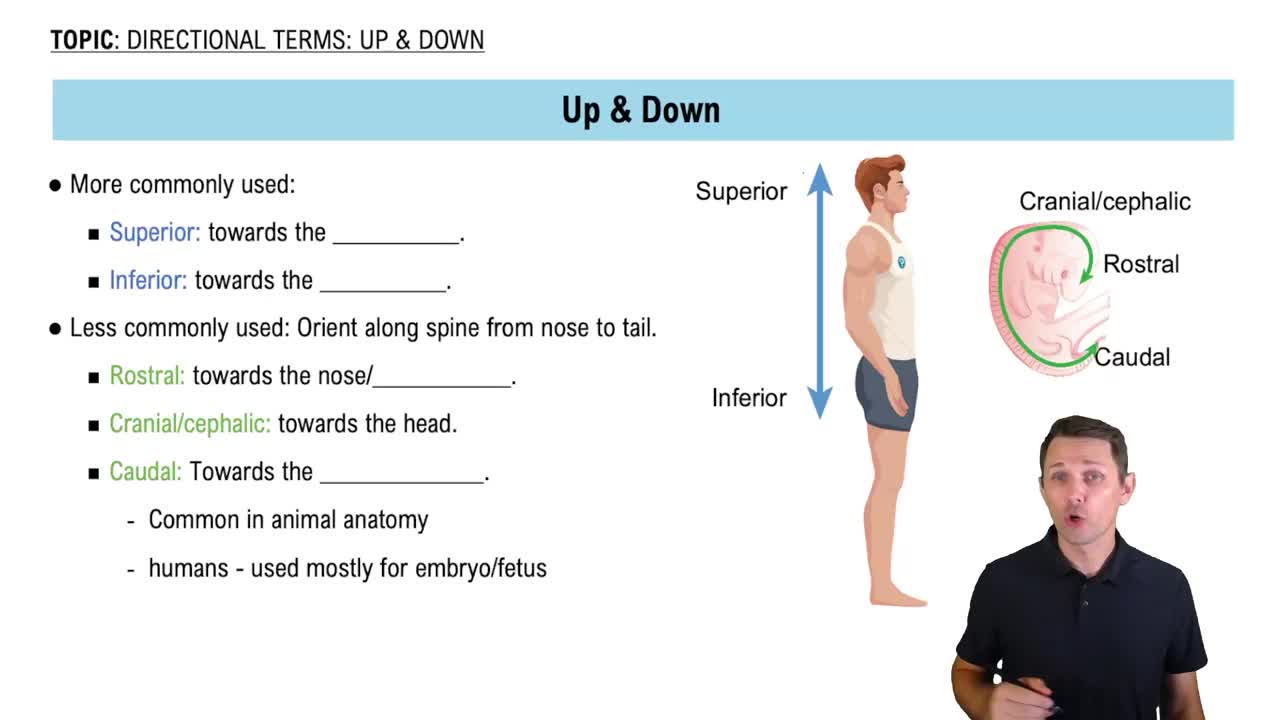
The inferior vena cava is a large vein that carries deoxygenated blood from the lower half of the body back to the heart. It collects blood from the abdominal organs, pelvis, and lower limbs, making it crucial for venous return. Understanding its role is essential for recognizing how blood circulates in the body, especially below the diaphragm.
Recommended video:
Guided course
03:39
Superior and Inferior

Venous Blood Flow

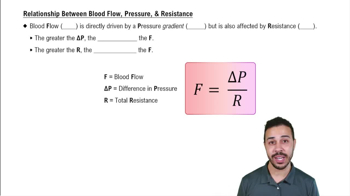
Venous blood flow refers to the movement of deoxygenated blood through the veins back to the heart. This process is vital for maintaining circulation and ensuring that carbon dioxide and waste products are efficiently removed from the body's tissues. Knowledge of venous blood flow helps in understanding the overall circulatory system and the significance of major veins like the inferior vena cava.
Recommended video:
6:40
Relationship Between Blood Flow, Pressure, & Resistance

Anatomy of the Circulatory System

The anatomy of the circulatory system includes the heart, arteries, veins, and capillaries, which work together to transport blood throughout the body. Familiarity with this anatomy is important for identifying the functions of various blood vessels, including the major veins that drain blood from specific regions, such as the inferior vena cava for the lower body.
Recommended video:
0:51
Anatomy of the Female Reproductive System Example 8