Ch. 16 The Reproductive System
Marieb - Essentials of Human Anatomy & Physiology 13th Edition
Marieb13th EditionEssentials of Human Anatomy & PhysiologyISBN: 9780135624340Not the one you use?Change textbook
Chapter 16, Problem 2

In terms of development, which of these pairs is mismatched?
a. Vagina—penis
b. Testis—ovary
c. Labia majora—scrotum
d. Uterine tube—ductus deferens

Verified step by step guidance
1
Step 1: Understand the concept of homologous structures in human development. Homologous structures are anatomical features that develop from the same embryonic tissue but differentiate into distinct structures in males and females.
Step 2: Analyze each pair provided in the question to determine if they are homologous structures. For example, the vagina and penis are not homologous structures, as they develop from different embryonic tissues.
Step 3: Compare the testis and ovary. These are homologous structures because they both develop from the same embryonic gonadal tissue.
Step 4: Examine the labia majora and scrotum. These are homologous structures because they both develop from the same embryonic tissue called the labioscrotal swellings.
Step 5: Evaluate the uterine tube and ductus deferens. These are not homologous structures, as they develop from different embryonic tissues (the uterine tube from the paramesonephric ducts and the ductus deferens from the mesonephric ducts).

Verified video answer for a similar problem:

This video solution was recommended by our tutors as helpful for the problem above.
Video duration:
1m
Was this helpful?

Key Concepts

Here are the essential concepts you must grasp in order to answer the question correctly.

Sexual Differentiation

Sexual differentiation is the process by which the male and female reproductive systems develop from a common precursor. This involves the influence of sex chromosomes and hormones, leading to the formation of distinct structures such as the penis in males and the vagina in females. Understanding this concept is crucial for identifying mismatched pairs in reproductive anatomy.
Recommended video:
04:44
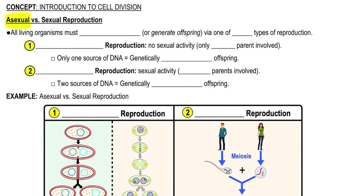
Asexual vs. Sexual Reproduction

Homologous Structures

Homologous structures are anatomical features in different species that share a common ancestry, even if they serve different functions. In human anatomy, the testis and ovary are homologous structures, as are the labia majora and scrotum. Recognizing these relationships helps in determining which pairs in the question are correctly matched based on their developmental origins.
Recommended video:
Guided course
4:16
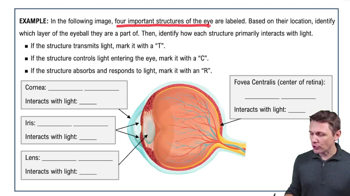
Structure of the Eyeball Example 1

Reproductive Anatomy

Reproductive anatomy refers to the physical structures involved in the reproductive system of both males and females. This includes organs such as the vagina, penis, testis, ovary, uterine tube, and ductus deferens. A solid understanding of reproductive anatomy is essential for evaluating the correctness of the pairs listed in the question.
Recommended video:
0:51
Anatomy of the Female Reproductive System Example 8