 Back
BackAnatomy & Physiology: Chapter 1 - The Human Body: An Orientation
 3:06
3:06
Terms in this set (22)
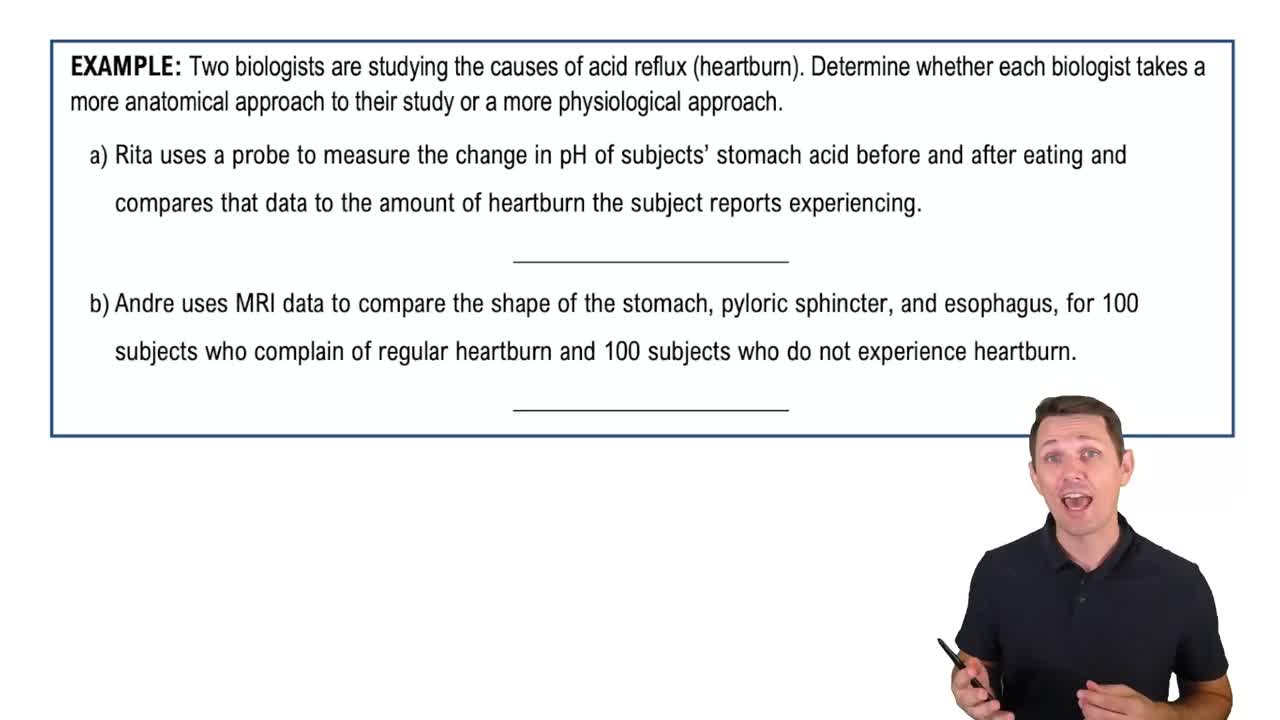
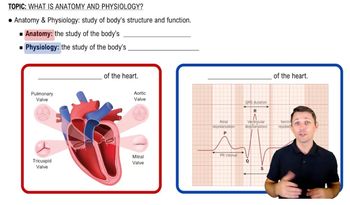
Anatomy is the study of the body’s structure.
Physiology is the study of the body’s function.
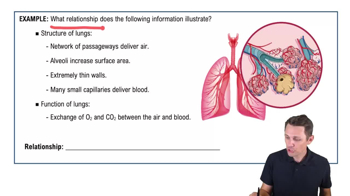
Structure exists to perform a function; to understand why an organ is shaped a certain way, you must understand what it does. Function is determined by structure; to understand how an organ performs its job, you must understand how it is built.
Atomic and molecular level, cellular level, tissue level, organ level, organ system level, organism level.
Anatomical variation refers to differences in the arrangement or structure of body parts among individuals. It is important because textbooks show a reference body, but variations can affect medical procedures and diagnoses.
Integumentary system, skeletal system, muscular system.
The nervous system provides rapid electrical communication and body coordination. The endocrine system uses chemical messengers (hormones) for slower, long-term regulation.
The circulatory (cardiovascular) system transports materials through the body. The lymphatic and immune systems transport lymph and provide immunity.
Homeostasis is the maintenance of a stable internal environment within narrow limits despite external changes.
Negative feedback loops oppose the original stimulus to return the system to its set point, maintaining homeostasis. They are the most common feedback mechanism.
Positive feedback loops amplify the original stimulus, moving the system further from the set point. They are less common and usually require a 'switch' to stop the loop.
1. Receptor: detects change in internal environment.
2. Control center: processes information and signals a response.
3. Effector: carries out action to restore set point.
Body upright, face forward, feet shoulder-width apart, toes pointing forward, arms at sides with palms facing forward. Left and right refer to the body's left and right.
Superior: toward the head or upper part of a structure.
Inferior: away from the head or lower part of a structure.
Anterior: toward the front of the body.
Posterior: toward the back of the body.
Medial: toward the midline.
Lateral: away from the midline.
Ipsilateral: on the same side.
Contralateral: on the opposite side.
Proximal: closer to the point of attachment of a limb.
Distal: farther from the point of attachment.
Superficial: closer to the surface of the body.
Deep: farther from the surface of the body.
Right and left hypochondriac, epigastric, right and left lumbar, umbilical, right and left inguinal (iliac), hypogastric (pubic).
Frontal (coronal): divides body into anterior and posterior.
Sagittal: divides body into left and right.
Transverse (horizontal): divides body into superior and inferior.
Posterior (dorsal) cavity: contains the brain and spinal cord.
Anterior (ventral) cavity: contains thoracic and abdominopelvic cavities housing most organs.
Thin double-layer membranes that line body cavities and cover organs. They produce serous fluid to reduce friction during organ movement.
Pleurae: surround lungs.
Pericardium: surrounds heart.
Peritoneum: surrounds most abdominal organs.