 Back
BackAnatomy & Physiology Exam 1 Study Guide
 3:06
3:06
Terms in this set (29)
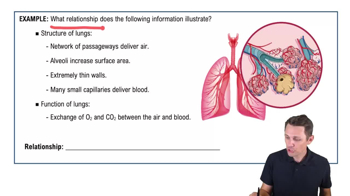
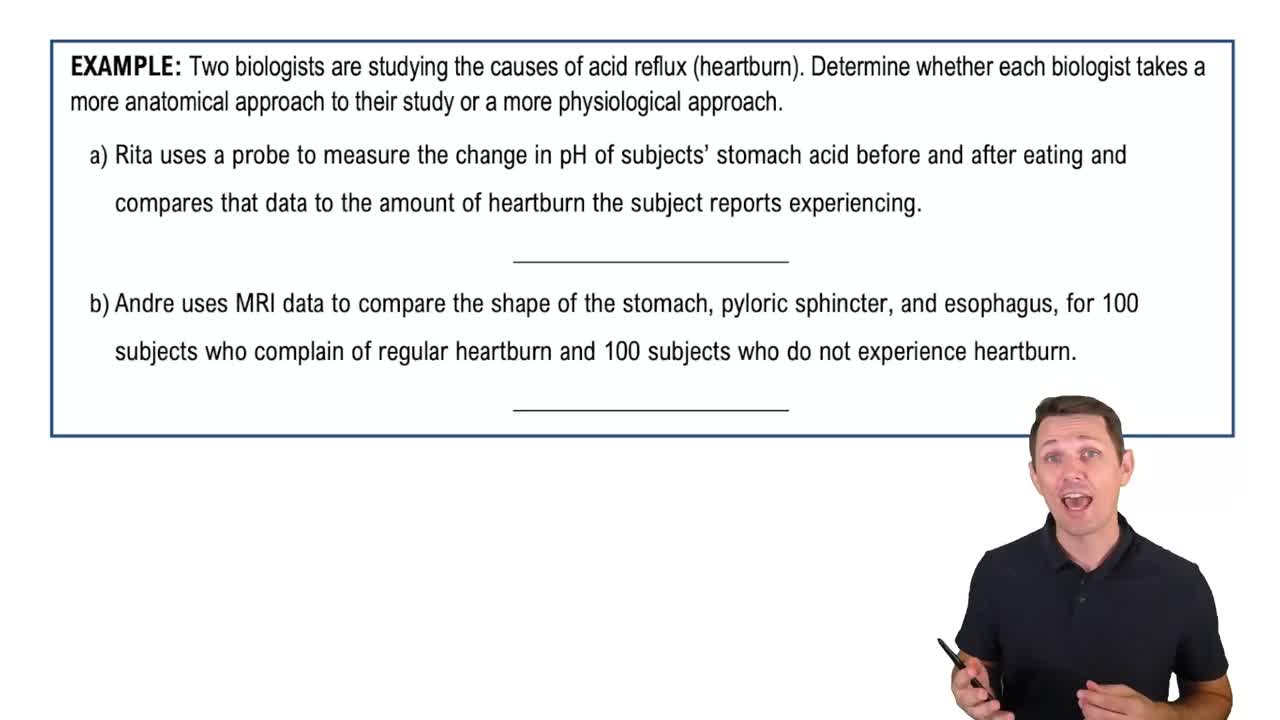
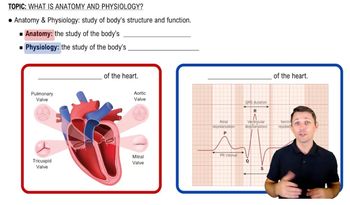
Anatomy is the study of the structure of body parts and their relationships. Physiology is the study of the function of body parts to sustain life.
Function always reflects structure; what a structure can do depends on its specific form, uniting anatomy and physiology.
Chemical, Cellular, Tissue, Organ, Organ system, Organism.
Maintaining boundaries, movement, responsiveness, digestion, metabolism, excretion, reproduction, growth.
Nutrients, oxygen, water, normal body temperature, atmospheric pressure.
Ability to maintain a relatively stable internal environment despite external changes.
Receptor (monitors environment), Control center (sets set point), Effector (responds to stimulus).
Negative feedback shuts off original stimulus (e.g., temperature regulation). Positive feedback enhances original stimulus (e.g., blood clotting).
Plasma membrane, vesicles, cytoplasm, mitochondria, ribosomes, endoplasmic reticulum, Golgi apparatus, lysosomes, peroxisomes, cytoskeleton, cilia, nucleus.
Produce most of the cell's ATP via aerobic cellular respiration; contain their own DNA and RNA.
Rough ER has ribosomes; synthesizes secreted and membrane proteins. Smooth ER lacks ribosomes; involved in lipid metabolism, detoxification, and calcium storage.
Binding and support, protection, insulation, transportation.
Loose connective tissue (areolar, adipose, reticular) and dense connective tissue (dense regular, dense irregular, elastic).
Cellularity, polarity, special contacts (tight junctions, desmosomes), supported by connective tissue, avascular but innervated, regenerative.
Layers: simple or stratified. Shapes: squamous, cuboidal, columnar.
Allows passage of materials by diffusion and filtration; secretes lubricating substances in serosae.
Endocrine glands are ductless and secrete hormones into blood. Exocrine glands secrete onto body surfaces or cavities via ducts.
Duct: simple (unbranched) or compound (branched). Secretory unit: tubular, alveolar (acinar), or tubuloalveolar.
Merocrine (exocytosis), Holocrine (rupture of gland cells).
Protection, body temperature regulation, cutaneous sensation, metabolic functions, blood reservoir, excretion.
Stratum basale, stratum spinosum, stratum granulosum, stratum lucidum (only in thick skin), stratum corneum.
Keratinocytes, melanocytes, Langerhans' cells, Merkel cells.
Produce melanin pigment responsible for skin color and protection against UV radiation.
Strong, flexible connective tissue with fibroblasts, macrophages, mast cells, and white blood cells; has papillary and reticular layers.
Eccrine (palms, soles, forehead), apocrine (axillary, anogenital), ceruminous (ear canal), mammary (milk secretion).
Filamentous strands of dead keratinized cells; functions include warmth, sensory input, and protection.
Vellus (fine, pale) and terminal (coarse, long) hair.
Basal cell carcinoma, squamous cell carcinoma, melanoma.
First-degree: epidermis damaged; redness and pain. Second-degree: epidermis and upper dermis; blisters. Third-degree: full thickness; no pain initially due to nerve damage.