 Back
BackAnatomy & Physiology: Human Body Organization and Homeostasis
 3:06
3:06
Terms in this set (22)
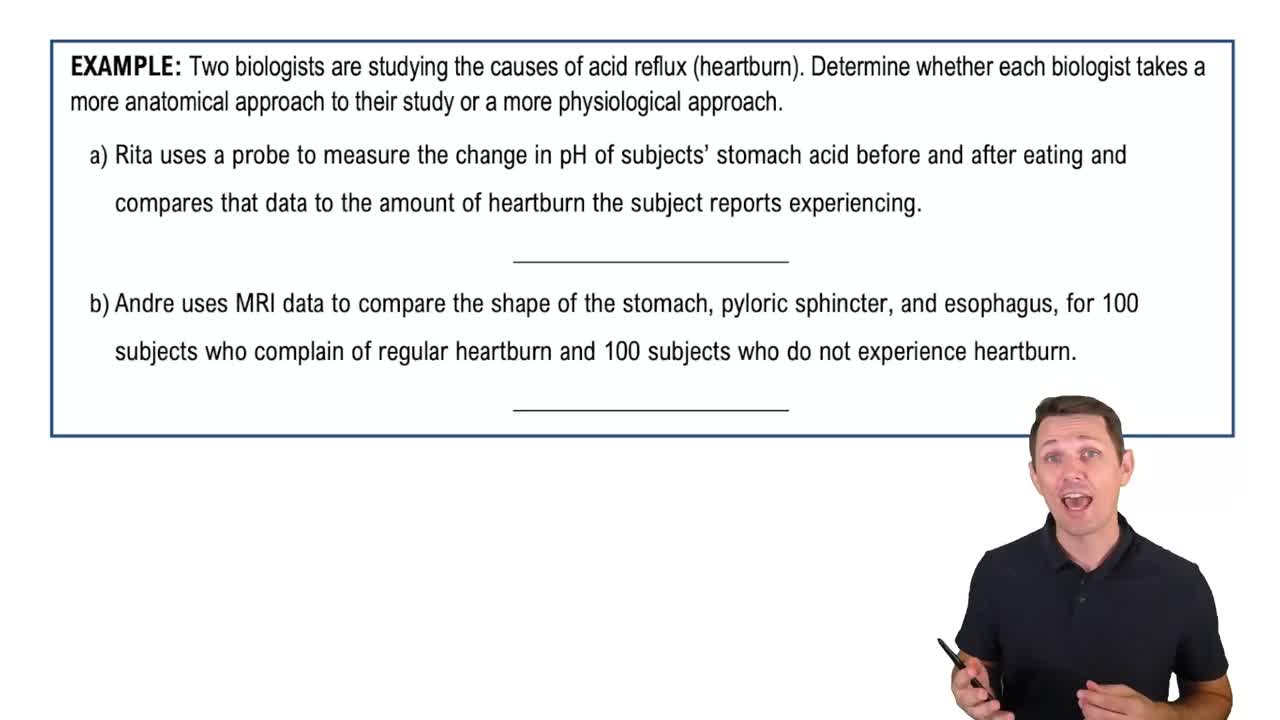
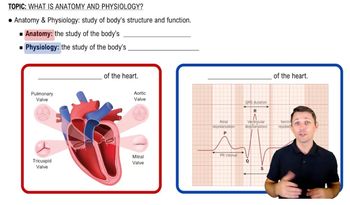
Anatomy is the study of the structure of body parts and their relationship to one another.
Physiology is the study of the function of body parts and how they work to carry out life-sustaining activities.
Gross anatomy includes regional anatomy (all structures in an area), system anatomy (one system), and surface anatomy (internal structures related to skin).
Microscopic anatomy studies structures too small to be seen with the naked eye, including cytology (cells) and histology (tissues).
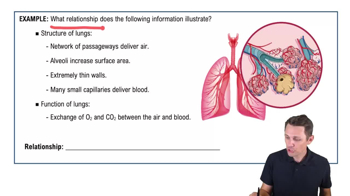
Function always reflects structure; what a structure can do depends on its specific form.
Chemical, cellular, tissue, organ, organ system, organismal levels.
Maintaining boundaries, movement, responsiveness, digestion, metabolism, excretion, reproduction, and growth.
It allows movement of body parts via skeletal muscles and movement of substances via cardiac and smooth muscles.
All chemical reactions in body cells, including catabolism (breakdown) and anabolism (synthesis).
They work together to maintain life by servicing the cells and supporting survival needs.
Nutrients, oxygen, water, normal body temperature, and appropriate atmospheric pressure.
Maintenance of relatively stable internal conditions despite continuous environmental changes.
Receptor (monitors environment), control center (determines set point), and effector (responds to control center).
Response reduces or shuts off original stimulus, returning variable to normal range.
Regulation of blood glucose: increased glucose triggers insulin release, lowering glucose levels.
Response enhances or exaggerates the original stimulus, often in a cascade effect.
Formation of a platelet plug during blood clotting, where platelets activate more platelets.
Body erect, feet slightly apart, palms facing forward with thumbs pointing away from body.
Sagittal (divides right and left), frontal (anterior and posterior), and transverse (superior and inferior).
Dorsal cavity (cranial and vertebral) and ventral cavity (thoracic and abdominopelvic).
They are thin, double-layered membranes that cover surfaces in the ventral body cavity and secrete fluid to reduce friction.
Right upper quadrant (RUQ), left upper quadrant (LUQ), right lower quadrant (RLQ), left lower quadrant (LLQ).