 Back
BackAnatomy & Physiology: Human Body Orientation and Systems
 3:06
3:06
Terms in this set (20)
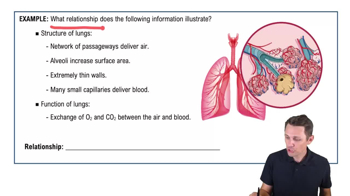
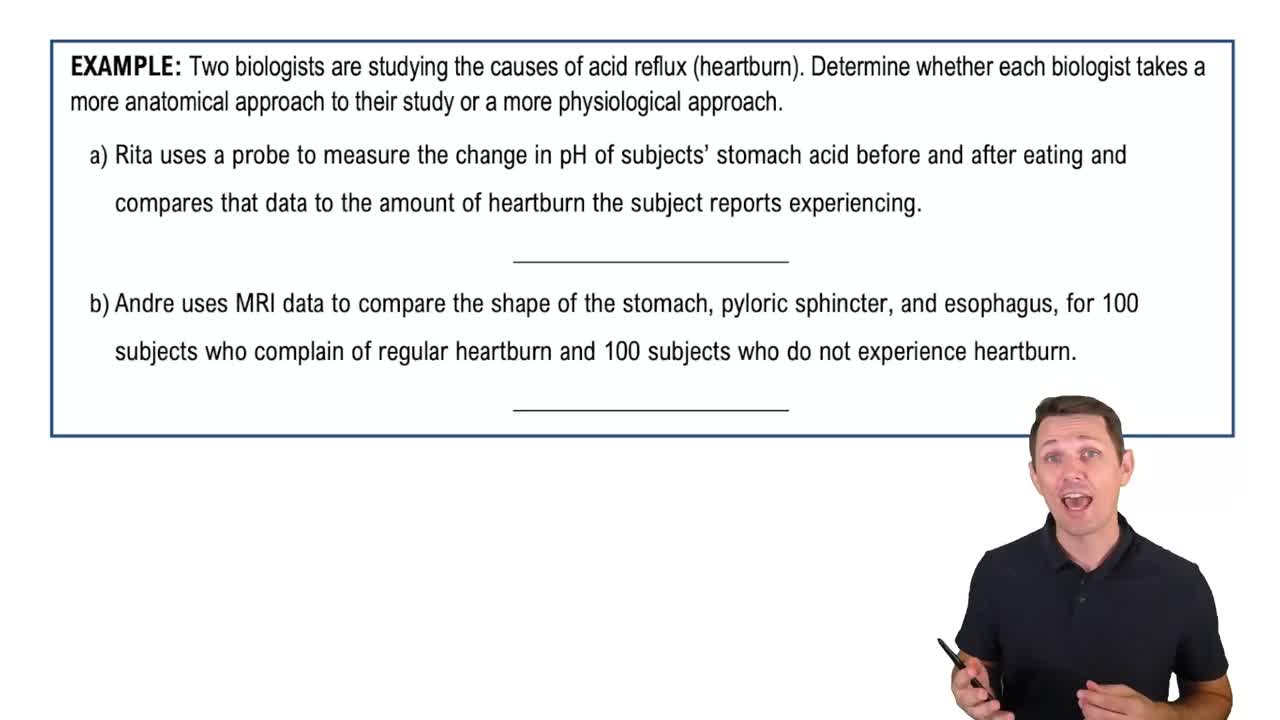
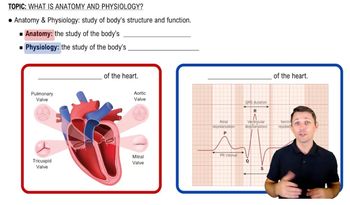
Anatomy is the study of the body’s structure.
Physiology is the study of the body’s function.
Structure exists to perform a function; to understand why an organ is a certain way, you must understand what it does. Function is determined by structure; to understand how an organ performs its job, you must understand how it is built.
Atomic and molecular, cellular, tissue, organ, organ system, organism.
Anatomical variation refers to differences in body structures among individuals. It is important because textbooks show a 'standard' body, but variations can affect medical procedures and diagnoses.
Protection, support, movement, temperature regulation, and mineral storage.
Nervous system: rapid electrical communication and body coordination.
Endocrine system: slower chemical communication using hormones.
Circulatory (cardiovascular) system transports materials through the body.
Lymphatic and immune systems provide immunity and transport lymph.
Respiratory: exchange of oxygen and carbon dioxide.
Digestive: obtain nutrients and energy from food.
Urinary: remove waste and excess water from blood.
Maintenance of a stable internal environment within narrow limits despite external changes.
Negative feedback opposes the original stimulus to maintain homeostasis.
Positive feedback amplifies the original stimulus, moving the system away from the set point.
Thermoregulation: When body temperature rises, sweating cools the body; when it falls, shivering generates heat.
Labor contractions: Oxytocin release causes contractions, which increase pressure on the cervix, stimulating more oxytocin release until delivery.
Body upright, face forward, feet shoulder-width apart, palms facing forward. It provides a standard reference for anatomical terminology.
Superior: toward the head; Inferior: toward the feet; Anterior: front; Posterior: back; Medial: toward midline; Lateral: away from midline; Proximal: near limb attachment; Distal: far from limb attachment.
Frontal (coronal): divides front and back.
Sagittal: divides left and right.
Transverse (horizontal): divides top and bottom.
Posterior (dorsal) cavity: cranial cavity (brain) and vertebral cavity (spinal cord).
Anterior (ventral) cavity: thoracic cavity (heart, lungs), abdominopelvic cavity (digestive organs, kidneys, bladder, reproductive organs).
Double-layered membranes lining body cavities and covering organs; they secrete serous fluid to reduce friction during organ movement.
Pleurae surround the lungs.
Pericardium surrounds the heart.
Peritoneum surrounds most abdominal organs.
The diaphragm separates the thoracic cavity (above) from the abdominopelvic cavity (below).
They provide a standardized way to describe locations of organs and pain in the abdomen and pelvis for diagnosis and treatment.