 Back
BackAnatomy & Physiology I - Key Concepts
 3:06
3:06
Terms in this set (20)
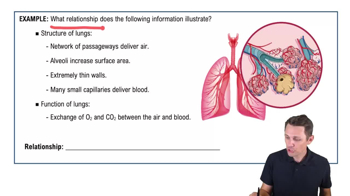
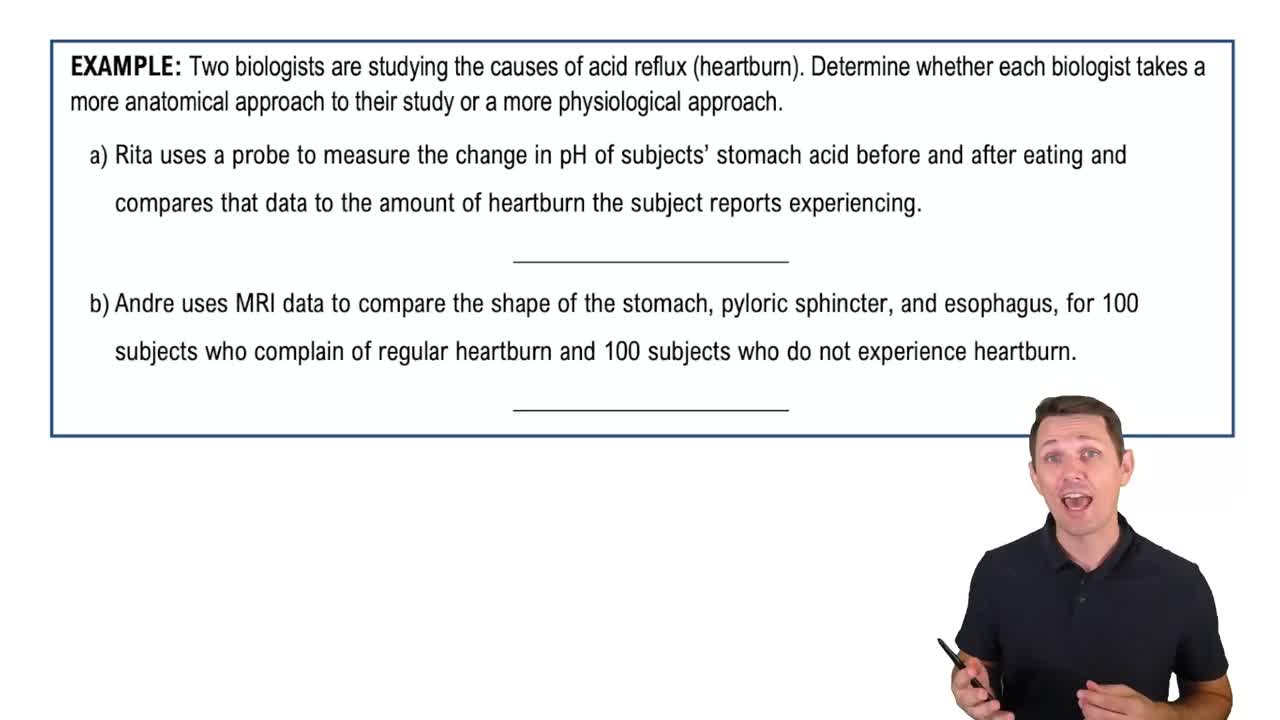
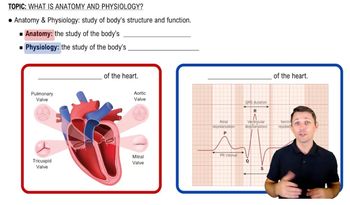
Anatomy is the study of body structure; physiology is the study of body function. Form (anatomy) determines function (physiology).
Levels include atoms, molecules, cells, tissues, organs, organ systems, and the whole organism.
Examples: Integumentary (protection), Skeletal (support), Muscular (movement), Nervous (control), etc.
Homeostasis is the maintenance of a stable internal environment, essential for normal body function and health.
Negative feedback reverses a change to maintain balance; positive feedback amplifies a response until a specific outcome is achieved.
Body standing upright, facing forward, feet flat, arms at sides with palms facing forward.
Examples: Cranial cavity (brain), Thoracic cavity (heart, lungs), Abdominopelvic cavity (digestive organs).
Matter is anything that occupies space and has mass; energy is the capacity to do work or cause change.
Oxygen, Carbon, Hydrogen, and Nitrogen.
Atoms bond by sharing or transferring electrons. Types: Ionic, Covalent, and Hydrogen bonds.
A compound has chemically bonded atoms; a mixture is a physical combination of substances.
Water is essential for chemical reactions, temperature regulation, and as a solvent for substances.
pH measures acidity or alkalinity; maintaining proper pH is vital for enzyme function and metabolism.
Dehydration synthesis forms bonds by removing water; hydrolysis breaks bonds by adding water.
Primary, Secondary, Tertiary, and Quaternary structures define protein shape and function.
ATP stores and transfers energy for cellular activities.
The membrane is a phospholipid bilayer with embedded proteins allowing selective permeability.
Passive transport moves substances down concentration gradients without energy; active transport requires ATP to move substances against gradients.
Membrane potential is the voltage difference across the plasma membrane due to ion distribution.
Plasma membrane, cytoplasm, and nucleus.