 Back
BackAnatomy & Physiology I Midterm Key Concepts
 3:06
3:06
Terms in this set (31)
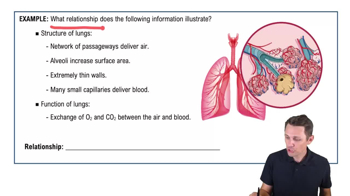
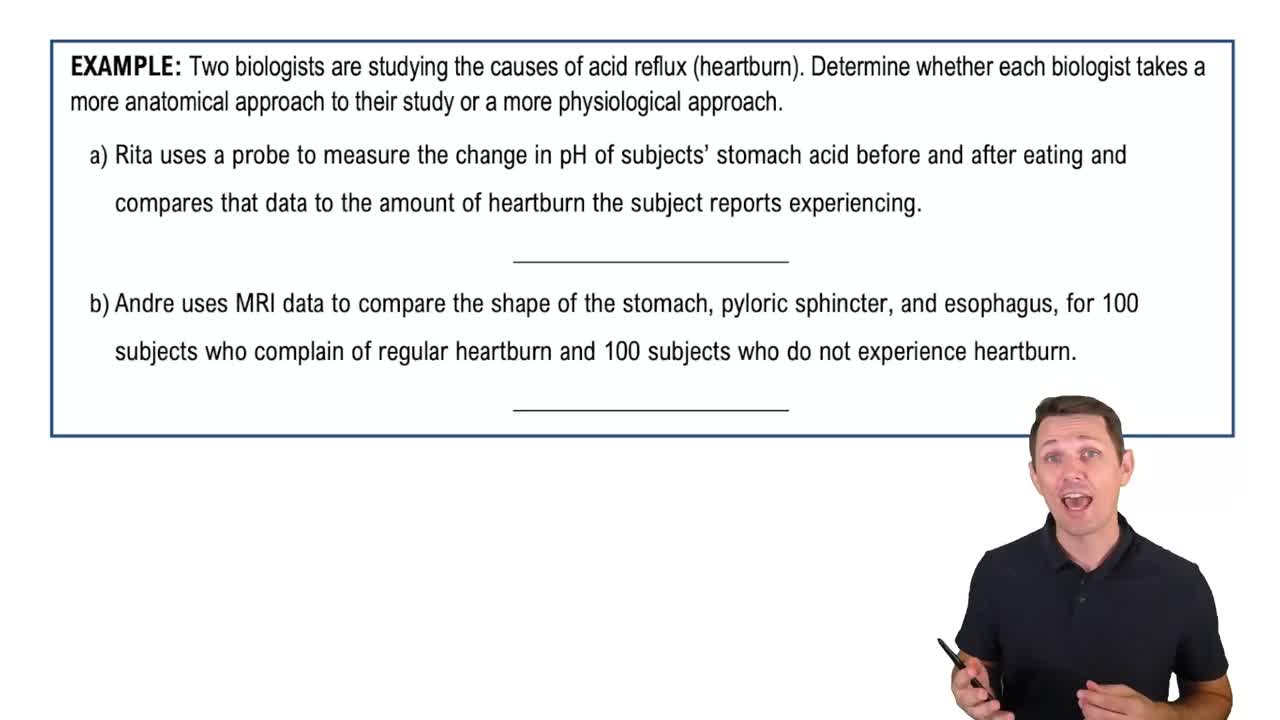
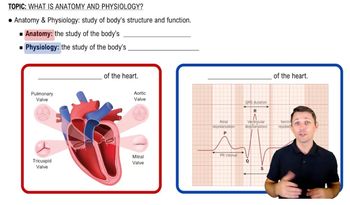
Anatomy is the study of structure, while Physiology is the study of function.
Chemical → Cellular → Tissue → Organ → Organ System → Organism
Organization, Metabolism, Responsiveness, Movement, Development, Growth, Differentiation, Reproduction, Homeostasis, Digestion
Reverses a change to maintain balance. Examples: body temperature, blood pressure, blood glucose.
Amplifies a change. Examples: childbirth, blood clotting.
Stimulus → Receptor → Control Center → Effector → Response
Integumentary (Protection), Skeletal (Support), Muscular (Movement), Nervous (Fast control), Endocrine (Hormones), Cardiovascular (Transport), Lymphatic (Immunity), Respiratory (Gas exchange), Digestive (Nutrient absorption), Urinary (Waste removal), Reproductive (Reproduction)
Superior means above; Inferior means below.
Sagittal (left/right), Midsagittal (equal halves), Frontal (front/back), Transverse (top/bottom), Oblique (diagonal)
Pleura (lungs), Pericardium (heart), Peritoneum (abdominal organs); Parietal lines wall, Visceral covers organ.
Proton = positive, Neutron = neutral, Electron = negative
Ionic (electron transfer), Covalent (electron sharing), Polar Covalent (unequal sharing), Nonpolar Covalent (equal sharing), Hydrogen bond (weak attraction)
Polar molecule, hydrophilic (water-loving), hydrophobic (water-fearing), cohesion, adhesion, surface tension, universal solvent.
Potential energy = stored, kinetic energy = moving; ATP is the cell's energy currency.
All organisms are made of cells; the cell is the basic unit of life; all cells come from pre-existing cells.
Phospholipid bilayer with embedded proteins; glycolipids for cell recognition.
Mitochondria: ATP production; Ribosomes: protein synthesis; Golgi: packaging; Lysosomes: digestion; Peroxisomes: detox; ER (smooth: lipids, rough: proteins); Nucleus: control center.
Simple diffusion (high to low, no protein), facilitated diffusion (high to low, protein), osmosis (water movement), active transport (low to high, uses ATP), secondary active transport (coupled transport).
Moves 3 Na+ out and 2 K+ in using ATP to maintain resting membrane potential.
Interphase (G1, S - DNA replication, G2), Mitosis (prophase, metaphase, anaphase, telophase), Cytokinesis.
Epithelial, Connective, Muscle, Nervous
Avascular, covers surfaces, lines cavities, forms glands, regenerates quickly.
Areolar, Adipose, Reticular, Dense Regular, Hyaline Cartilage, Elastic Cartilage, Fibrocartilage, Bone, Blood
Osteoblasts build bone, osteocytes maintain bone, osteoclasts break down bone.
Skeletal: voluntary, striated, multinucleated; Cardiac: striated, branched, intercalated discs, single nucleus; Smooth: no striations.
Protection, thermoregulation, sensation, vitamin D production, excretion, immune defense.
Stratum Basale, Stratum Spinosum, Stratum Granulosum, Stratum Lucidum (thick skin only), Stratum Corneum.
Keratinocytes (keratin), Melanocytes (melanin), Langerhans cells (immune), Merkel cells (touch).
Sweat is water and salts; sebum is oily and lubricates skin.
1st degree: epidermis only; 2nd degree: blisters; 3rd degree: full thickness.
A = Asymmetry, B = Border irregularity, C = Color variation, D = Diameter > 6 mm, E = Evolving.