Skip to main content
Anatomy & Physiology
My Course
Learn
Exam Prep
AI Tutor
Study Guides
Textbook Solutions
Flashcards
Explore
Try the app
My Course
Learn
Exam Prep
AI Tutor
Study Guides
Textbook Solutions
Flashcards
Explore
Try the app
Back
Anatomy & Physiology I - Organ Systems Identification
You can tap to flip the card.
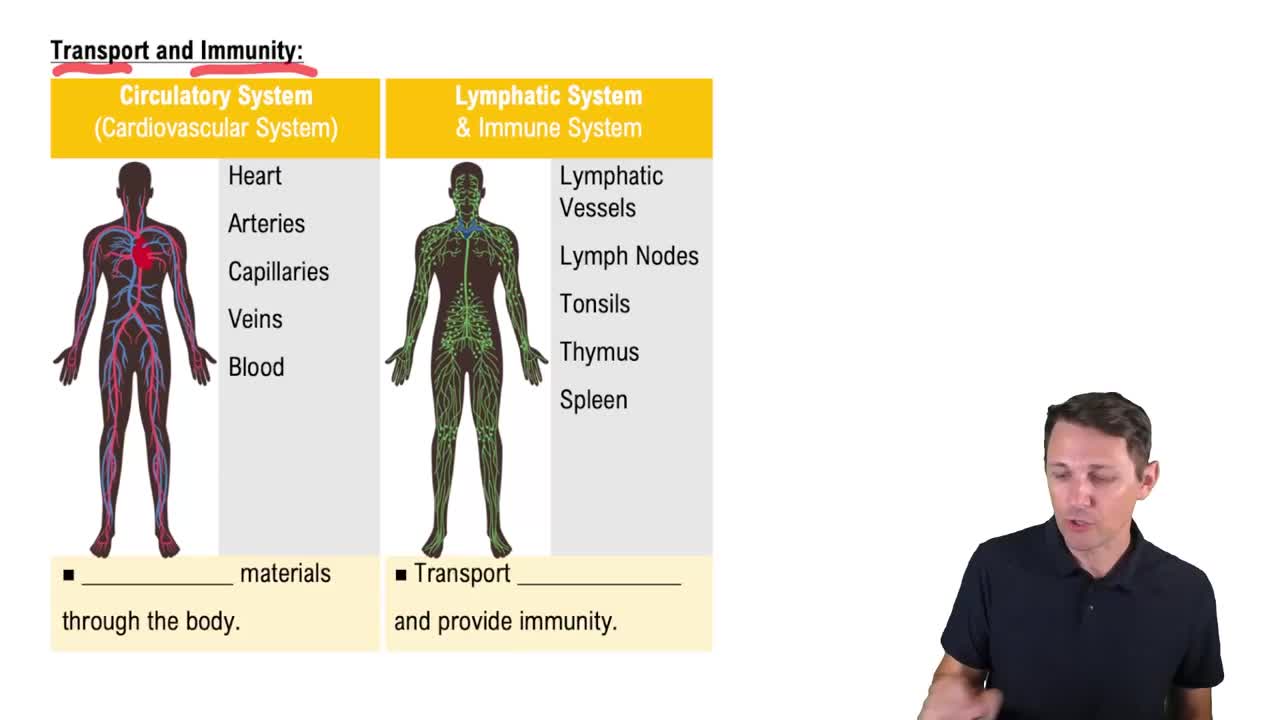
Arteries
You can tap to flip the card.
👆
Arteries
Blood vessels that carry blood away from the heart; part of the
cardiovascular system
.
Track progress
Control buttons has been changed to "navigation" mode.
1/23
Recommended videos
Guided course
02:29
Introduction to Organ Systems
24807
views
593
rank
Guided course
02:18
Transport and Immunity
13799
views
356
rank
1
comments
Guided course
02:12
Reproduction
11535
views
294
rank
1
comments
Terms in this set (23)
Hide definitions
Arteries
Blood vessels that carry blood away from the heart; part of the
cardiovascular system
.
Veins
Blood vessels that carry blood toward the heart; part of the
cardiovascular system
.
Bone
Rigid connective tissue forming the skeleton; part of the
skeletal system
.
Brain
Central organ of the nervous system responsible for processing information; part of the
nervous system
.
Esophagus
Muscular tube that transports food from the throat to the stomach; part of the
digestive system
.
Heart
Muscular organ that pumps blood throughout the body; part of the
cardiovascular system
.
Kidneys
Organs that filter blood to produce urine; part of the
urinary system
.
Large intestine
Absorbs water and forms feces; part of the
digestive system
.
Small intestine
Site of nutrient absorption; part of the
digestive system
.
Larynx
Voice box involved in breathing and sound production; part of the
respiratory system
.
Liver
Processes nutrients and detoxifies chemicals; part of the
digestive system
.
Lungs
Organs for gas exchange; part of the
respiratory system
.
Lymph nodes
Filter lymph and support immune response; part of the
lymphatic system
.
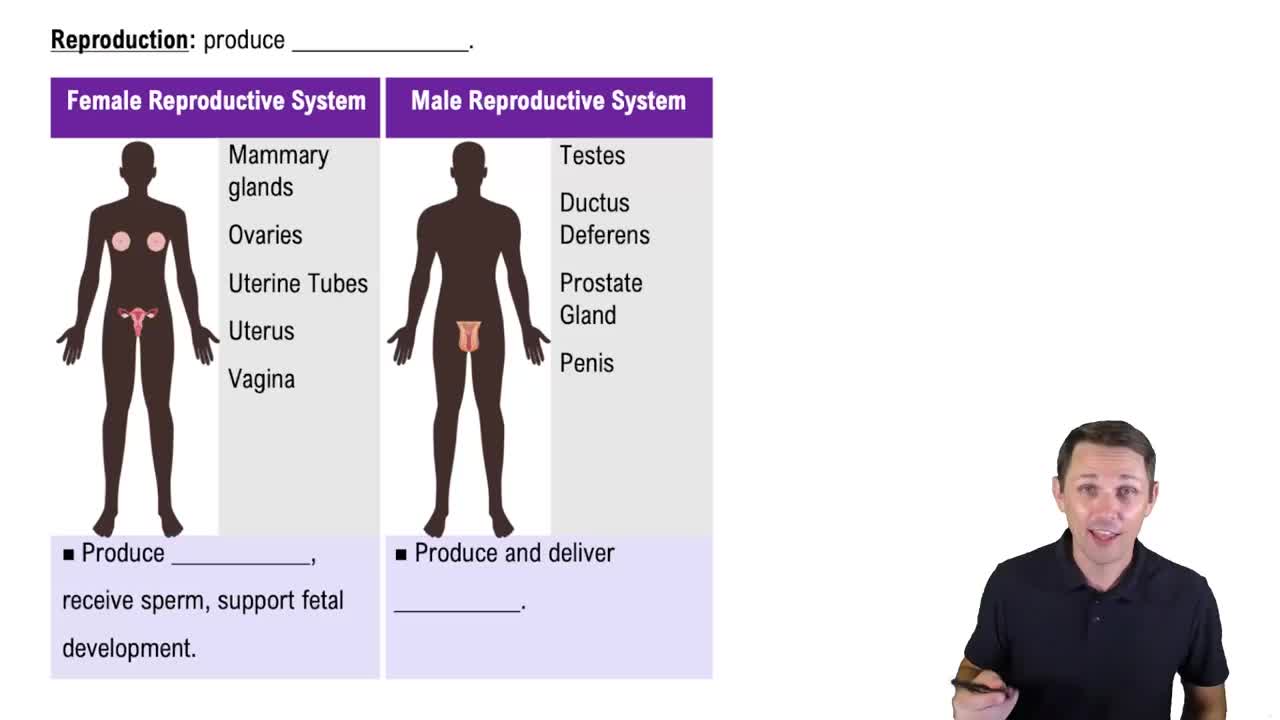
Ovary/Testis
Gonads producing gametes and hormones; part of the
reproductive system
.
Pancreas
Produces digestive enzymes and hormones like insulin; part of the
digestive and endocrine systems
.
Pharynx
Passageway for air and food; part of both the
respiratory and digestive systems
.
Pituitary gland
Master gland controlling other endocrine glands; part of the
endocrine system
.
Skin
Protective outer covering of the body; part of the
integumentary system
.
Spinal cord
Conveys signals between brain and body; part of the
nervous system
.
Spleen
Filters blood and supports immune function; part of the
lymphatic system
.
Stomach
Breaks down food with acids and enzymes; part of the
digestive system
.
Thyroid gland
Regulates metabolism through hormone secretion; part of the
endocrine system
.
Uterus
Supports fetal development during pregnancy; part of the
reproductive system
.
 BackBack
 02:29
02:29