Back

Anatomy & Physiology Key Concepts

Control buttons has been changed to "navigation" mode.
1/30
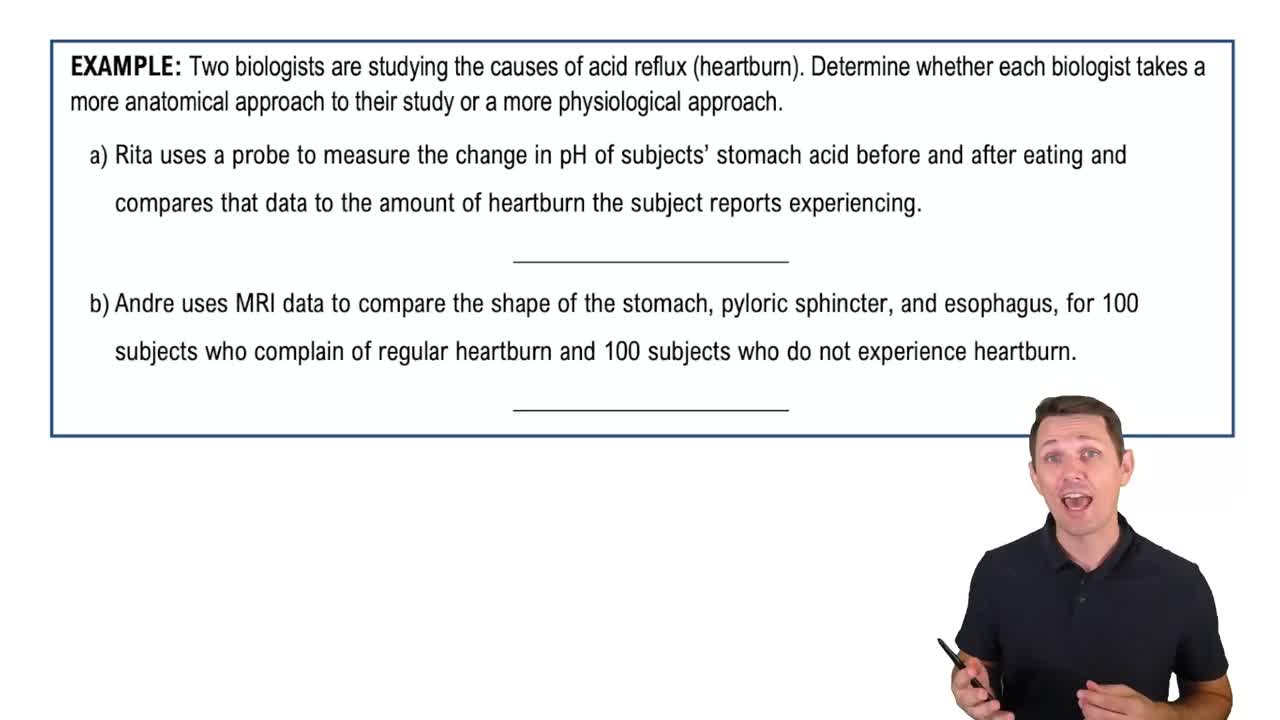
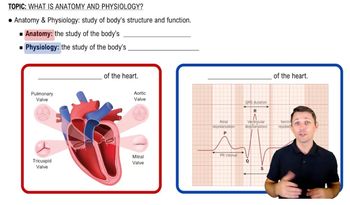
  • What is anatomy?

    Study of body structures.

  • What is physiology?

    Study of body functions.

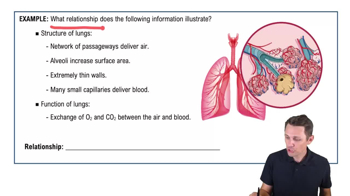
  • What is the unifying theme of Anatomy & Physiology?

    Structure determines function.

  • What is homeostasis?

    Maintenance of a stable internal environment.

  • Name the 3 components of homeostasis.

    Receptor, Control Center, Effector.

  • What is negative feedback?

    Reverses a change to restore homeostasis.

  • Example of negative feedback.

    Body temperature regulation.

  • Example of positive feedback.

    Childbirth and blood clotting.

  • Function of the integumentary system.

    Protection and temperature regulation.

  • Function of the skeletal system.

    Support, protection, mineral storage.

  • Function of the muscular system.

    Movement and heat production.

  • Characteristics of epithelial tissue.

    Polarity, avascular, tightly packed cells, basement membrane, regeneration.

  • What is the basement membrane?

    Structure anchoring epithelium to connective tissue.

  • Types of cell junctions in epithelium.

    Tight junctions, desmosomes, gap junctions.

  • Difference between simple and stratified epithelium.

    Simple: one cell layer; Stratified: multiple cell layers.

  • Function of simple squamous epithelium.

    Diffusion and filtration.

  • Function of stratified squamous epithelium.

    Protection.

  • Difference between exocrine and endocrine glands.

    Exocrine secrete through ducts; endocrine secrete hormones into blood.

  • Functions of connective tissue.

    Support, protection, transport, storage.

  • What forms the extracellular matrix?

    Fibers and ground substance.

  • Functions of fibroblasts, macrophages, mast cells, and adipocytes.

    Fibroblasts produce fibers; macrophages phagocytize debris; mast cells release histamine; adipocytes store fat.

  • Types of connective tissue fibers.

    Collagen (strength), elastic (stretch), reticular (support).

  • Difference between dense regular and dense irregular connective tissue.

    Dense regular has parallel collagen fibers (tendons); dense irregular has random fibers (dermis).

  • Functions of osteoblasts, osteocytes, and osteoclasts.

    Osteoblasts build bone; osteocytes maintain bone; osteoclasts break down bone.

  • What are erythrocytes?

    Red blood cells that transport oxygen.

  • What is the function of macrophages in tissue repair?

    Cleanup of pathogens and debris.

  • Two major layers of skin.

    Epidermis and dermis.

  • Order of epidermal layers from deep to superficial.

    Basale, Spinosum, Granulosum, Lucidum, Corneum.

  • Function of melanocytes.

    Produce melanin to protect against UV radiation.

  • What causes tanning?

    Increased melanin production from UV exposure.