Skip to main content
Anatomy & Physiology
My Course
Learn
Exam Prep
AI Tutor
Study Guides
Textbook Solutions
Flashcards
Explore
Try the app
My Course
Learn
Exam Prep
AI Tutor
Study Guides
Textbook Solutions
Flashcards
Explore
Try the app
Back
Anatomy & Physiology Lab 1 - Key Concepts
You can tap to flip the card.
Anterior surface
You can tap to flip the card.
👆
Anterior surface
The inside of the palm and arm; the front-facing surface of the body.
Track progress
Control buttons has been changed to "navigation" mode.
1/30
Recommended videos
Guided course
3:06
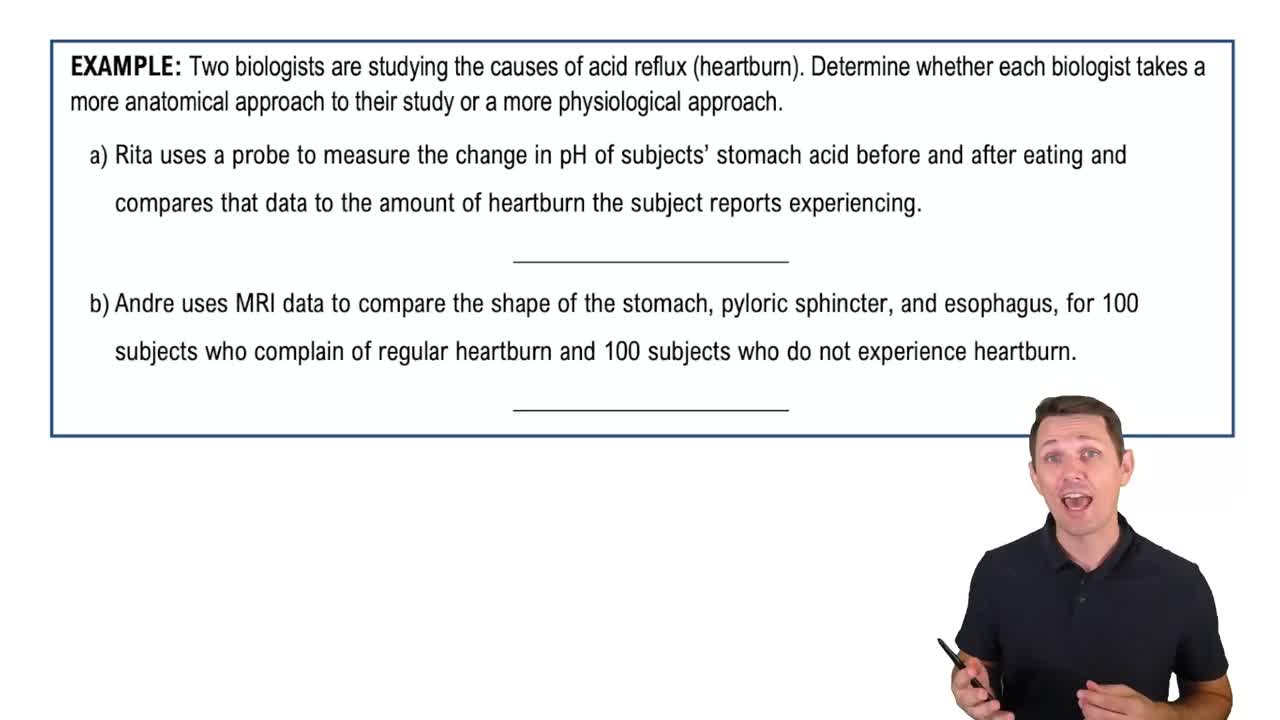
What is Anatomy & Physiology? Example 3
28405
views
609
rank
8
comments
Guided course
01:58
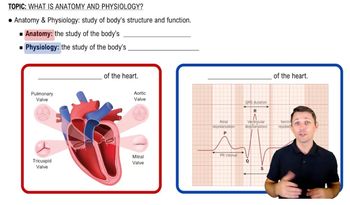
What is Anatomy & Physiology? Example 2
38325
views
2067
rank
Guided course
03:04
The Difference Between Anatomy and Physiology
76835
views
3592
rank
11
comments
Terms in this set (30)
Hide definitions
Anterior surface
The inside of the palm and arm; the front-facing surface of the body.
Superior vs Inferior
Superior
means toward the head or upper part;
Inferior
means toward the feet or lower part.
Proximal vs Distal
Proximal
means closer to the point of attachment or origin;
Distal
means farther from the point of attachment.
Frontal (Coronal) plane
Divides the body into anterior (front) and posterior (back) portions.
Median plane
Divides the body into equal left and right halves.
Transverse plane
Divides the body into superior (top) and inferior (bottom) halves.
Thoracic cavity
Chest cavity housing lungs, heart, and trachea; separated from abdominal cavity by the diaphragm.
Mediastinum
A space within the thoracic cavity that contains the heart, surrounded by the pericardial cavity.
Pericardial cavity
The fluid-filled lining around the heart that prevents overexpansion.
Abdominopelvic cavity
Contains abdominal organs like stomach, intestines, kidneys, and pelvic organs like bladder and rectum.
Axillary
Refers to the armpit region; e.g., axillary artery.
Antecubital
The front of the elbow, commonly used for drawing blood.
Patella
The kneecap bone.
Sural
The calf region of the leg.
Plantar surface
The sole or bottom surface of the foot.
Hypochondriac region
Located under the ribs; 'hypo' means under, 'chondriac' means cartilage.
Epigastric region
Located above the stomach; 'epi' means above, 'gastric' means stomach.
Microscope oculars
The eyepieces through which you view the specimen.
Objective lenses
Lenses with different magnifications: red (4x), yellow, blue (high dry), white (oil immersion).
Cell membrane
Selectively permeable lipid-protein layer controlling entry and exit of substances.
Mitochondria
Double-membraned organelles that produce ATP, the cell's energy source.
Golgi complex
Packages proteins for transport inside or outside the cell.
Lysosomes
Contain enzymes for self-destruction of cells and digestion of unwanted proteins.
Cell cycle phases
G1: growth; S: DNA synthesis; G2: final growth and checks before mitosis.
Mitosis stages
Interphase, Prophase, Metaphase, Anaphase, Telophase, Cytokinesis.
Connective tissue function
Supports, insulates, and connects other tissues; examples include adipose and bone.
Cardiac muscle
Striated muscle with intercalated discs that conduct electrical signals.
Pseudostratified ciliated columnar epithelium
Lines respiratory tract; cilia move mucus upward to trigger cough or sneeze.
Stratum basale
Deepest epidermal layer where cells undergo mitosis and melanocytes produce pigment.
Arrector pili muscle
Muscle attached to hair follicle causing hair to stand up (goosebumps).
 BackBack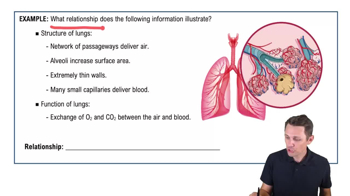
 3:06
3:06