 Back
BackAxial Skeleton Anatomy & Physiology Flashcards
 04:19
04:19
Terms in this set (33)
Quantity: 24 (12 pairs); Location: Encloses the thoracic cavity; Structure: Curved, flat, elongated bones extending from the spine to the chest front.
Quantity: 1; Location: Center line of the anterior chest; Structure: Dagger-shaped flat bone consisting of the manubrium, body, and xiphoid process.
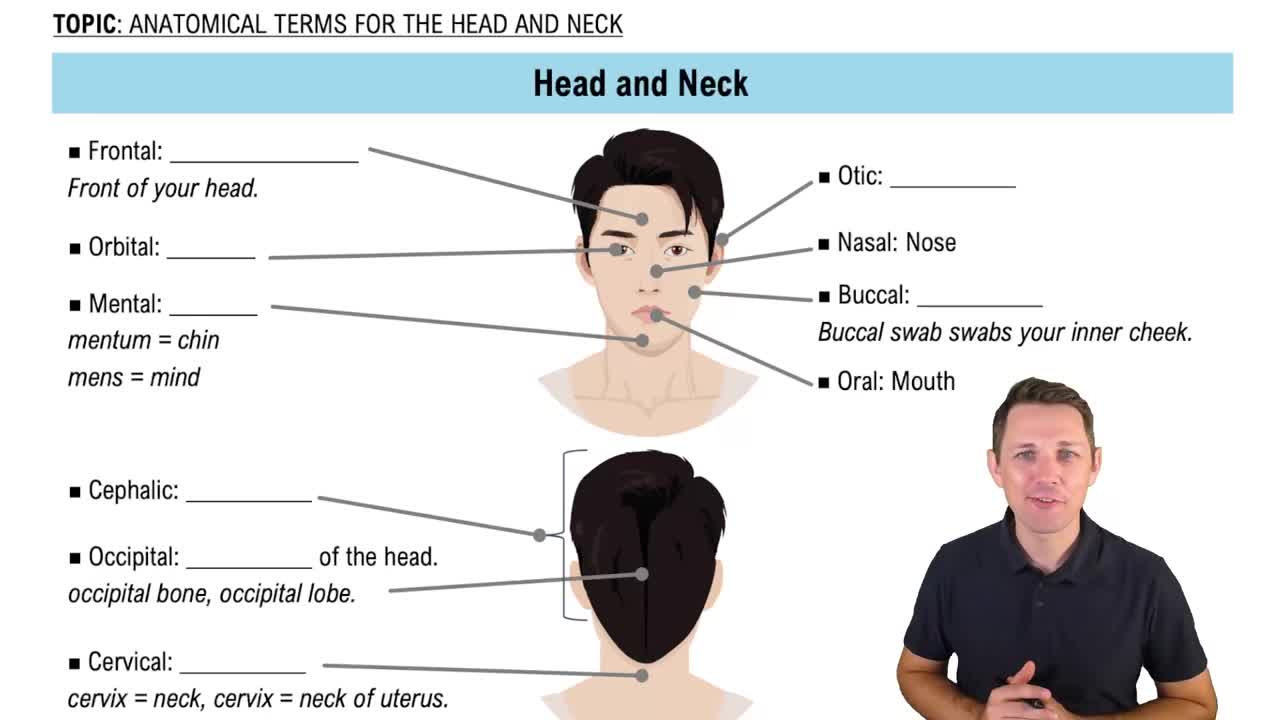
Quantity: 2; Location: Lower lateral sides and base of the skull, surrounding the ears; Structure: Irregularly shaped flat bone containing the middle ear cavity and zygomatic process.
Quantity: 2; Location: Superior sides and roof of the skull; Structure: Curved, quadrilateral shaped flat bone joined by the sagittal suture.
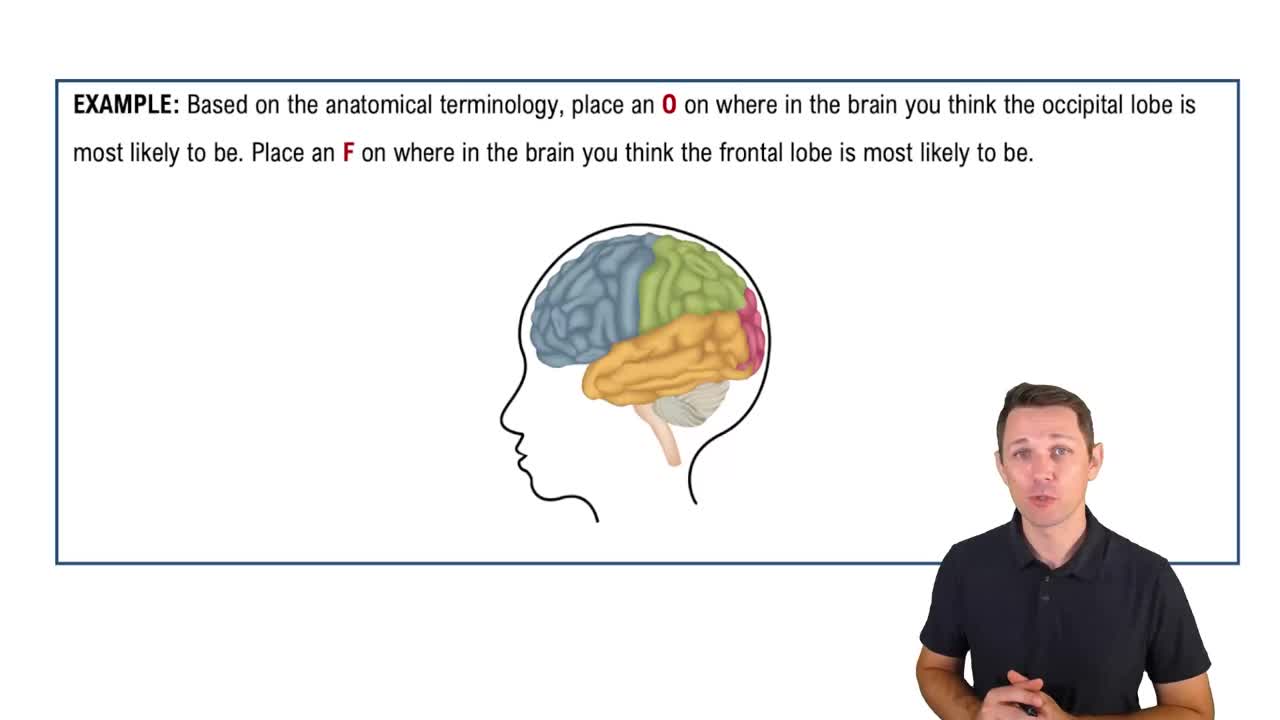
Quantity: 1; Location: Posterior wall and base of the skull; Structure: Trapezoid shape, flat bone containing the foramen magnum for spinal cord passage.
Quantity: 1; Location: Middle base of the skull, spanning behind the eyes; Structure: Butterfly shape, irregular bone that articulates with almost all other cranial bones.
Quantity: 1; Location: Anterior roof of the skull, forming the forehead and upper eye sockets; Structure: Shell shape, flat bone containing the frontal sinuses.
Quantity: 1; Location: Roof of the nasal cavity and between the orbits; Structure: Spongy, lightweight irregular bone containing the cribriform plate and crista galli.
Quantity: 1; Location: Lower jaw; Structure: Large, U-shaped irregular bone—the only movable bone of the skull.
Quantity: 2; Location: Upper jaw and central face area; Structure: Irregularly shaped facial bones fused at the midline.
Quantity: 1; Location: Midline of the nasal cavity floor; Structure: Thin, plow-shaped flat bone that forms the inferior part of the nasal septum.
Quantity: 2; Location: Medial wall of each eye orbit; Structure: Tiny, fingernail-sized rectangular flat bone containing a tear-duct passageway.
Quantity: 2; Location: Upper bridge of the nose; Structure: Small, oblong flat bones joined at the midline.
Quantity: 2; Location: Posterior part of the hard palate and nasal cavity floor; Structure: L-shaped irregular bones.
Quantity: 2; Location: Lateral cheeks and lower outer orbits; Structure: Diamond shape, irregular bone (the cheekbones).
Quantity: 2; Location: Inside the lateral walls of the nasal cavity; Structure: Thin, curved, scroll-like irregular bones.
Quantity: 1; Location: Second vertebra of the neck; Structure: Irregular vertebra with a unique vertical knob called the dens (odontoid process).
Quantity: 1; Location: First vertebra of the neck supporting the skull; Structure: Ring-shaped irregular vertebra lacking a distinct body or spinous process.
Quantity: 7 (includes Atlas & Axis); Location: Neck region; Structure: Small, lightweight irregular bones with transverse foramina for blood vessels.
Quantity: 12; Location: Upper and mid-back; Structure: Heart-shaped bodies with long, downward spinous processes and costal facets for rib attachments.
Quantity: 5; Location: Lower back; Structure: Large, massive, kidney-shaped bodies built to bear heavy body weight.
Quantity: 1 (5 fused vertebrae); Location: Base of the spine between hip bones; Structure: Triangular, curved bone providing pelvic stability.
Quantity: 1 (3-5 fused vertebrae); Location: Terminal tail end of the spine; Structure: Small, triangular, beak-shaped bone (tailbone).
8 cranial bones: Frontal, Parietal (2), Temporal (2), Occipital, Sphenoid, and Ethmoid.
14 facial bones: Maxilla (2), Zygomatic (2), Lacrimal (2), Nasal (2), Inferior Nasal Conchae (2), Palatine (2), Vomer, and Mandible.
Midline on top of the skull, joining the two parietal bones.
Lateral side of the skull, joining the temporal bone and parietal bone.
At the crown of the skull, joining the frontal bone and parietal bones.
At the back of the skull, joining the occipital bone and parietal bones.
Frontal, Sphenoid, Ethmoid, Zygomatic, Maxilla, Lacrimal, and Palatine bones.
Ethmoid, Vomer, Maxilla, Inferior Nasal Conchae, Palatine, Nasal, and Sphenoid bones.
The temporal bone (zygomatic process) and the zygomatic bone (temporal process).
A smooth, rounded articular projection at the end of a bone that helps form a joint.