 Back
BackCardiovascular and Blood System Basics
 3:38
3:38
Terms in this set (20)
The cardiovascular system transports oxygen, nutrients, and hormones; maintains homeostasis like temperature and pH; and provides protection by transporting immune cells.
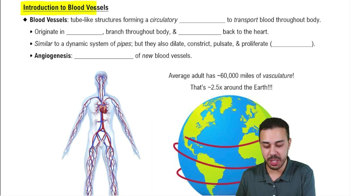
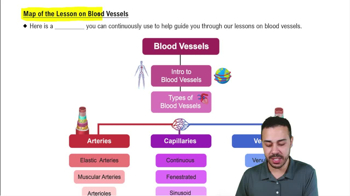
The cardiovascular system consists of the heart, blood vessels (arteries, veins, capillaries), and blood.
The lymphatic system includes lymph, lymphatic vessels, lymph nodes, spleen, thymus, and tonsils.
The systemic system involves the left side of the heart, systemic arteries, systemic veins, and capillaries delivering oxygenated blood to the body.
The pulmonary system includes the right side of the heart, pulmonary arteries, pulmonary veins, and lungs for blood oxygenation.
Blood is composed of plasma (liquid portion) and formed elements including red blood cells, white blood cells, and platelets.
The formed elements are red blood cells (erythrocytes), white blood cells (leukocytes), and platelets (thrombocytes).
Red blood cells have a biconcave shape, lack a nucleus, and contain hemoglobin.
Red blood cells primarily transport oxygen using hemoglobin and also help carry carbon dioxide.
Hemoglobin consists of globin protein chains and heme groups containing iron for oxygen binding.
Iron in the heme group binds oxygen molecules, enabling oxygen transport in blood.
Hemoglobin binds oxygen in the lungs and carries carbon dioxide from tissues back to the lungs.
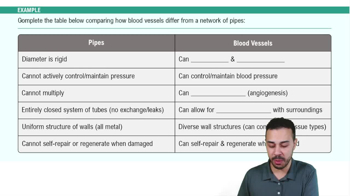
Blood vessels include arteries (carry blood away from the heart), veins (carry blood to the heart), and capillaries (site of exchange).
Capillaries facilitate nutrient and gas exchange between blood and body tissues.
The heart pumps blood through the systemic and pulmonary circuits to maintain circulation.
Plasma is the liquid portion of blood, containing water, proteins, nutrients, and waste products.
White blood cells provide immune defense by identifying and destroying pathogens.
Platelets are involved in blood clotting to prevent bleeding.
The lymphatic system returns excess fluid to the bloodstream and supports immune function alongside the cardiovascular system.
The spleen, thymus, and tonsils play key roles in lymphatic immune responses.