 Back
BackChapter 8
 03:35
03:35
Terms in this set (15)
The brain and spinal cord comprise the
efferent nervous system.
autonomic nervous system.
afferent nervous system.
central nervous system.
peripheral nervous system.
CNS
Oligodendrocytes are to CNS as ________ are to PNS.
astrocytes
Schwann cells
microglia
satellite cells
Schwann cells
What is the difference between saltatory and continuous propagation of nerve impulses?
Saltatory carries impulses at a faster rate than continuous propagation.
Continuous carries impulses at a faster rate than saltatory propagation.
Saltatory carries impulses at a faster rate than continuous propagation.
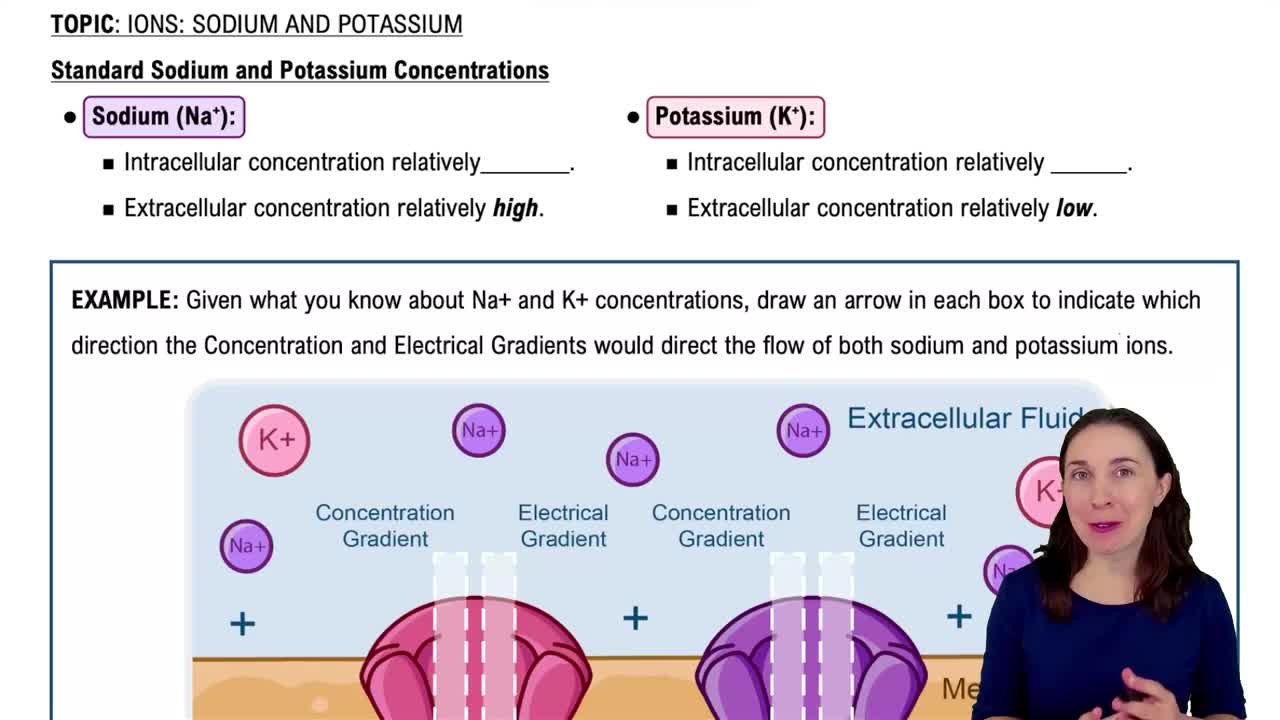
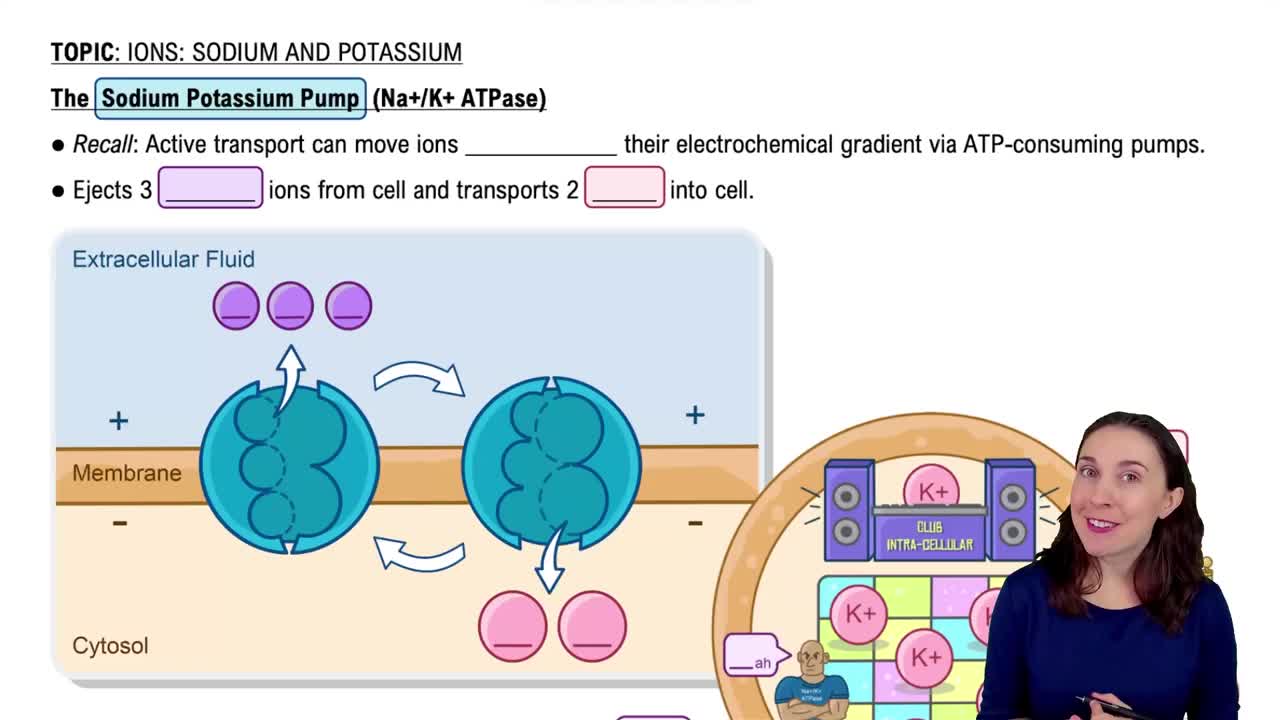
Opening of voltage-gated sodium channels in the membrane of a neuron results in
repolarization.
increased negative charge inside the membrane.
hyperpolarization.
myelination.
depolarization.
Depolarization
The entire spinal cord is divided into ________ segments.
12
31
25
35
5
31
What is the name for the stable internal environment that every living organism must maintain to survive?
homeostasis
equilibrium
negative feedback
osmosis
Homeostasis
What is the name of the neurotransmitter released by a neuron to communicate with skeletal muscle cells at the neuromuscular junction?
tropomyosin
actin
acetylcholine
myosin
Acetylcholine
What is the name of the dermal layer that consists of areolar tissue that contains the capillaries, lymphatic vessels, and sensory neurons that supply the surface of the skin?
reticular
spinosum
basale
papillary
Papillary
What is the deepest or innermost layer of the cranial meninges?
pia mater
dural sinus
dura mater
endoneurium
Pia mater
What is the name of the glial cell that produces myelin in the central nervous system?
oligodendrocytes
Schwann cells
astrocytes
ependymal cells
Oligodendrocytes
What is the name of the folds or convolutions that are found on the cerebral cortex and expand its surface area?
gyri
fissure
insula
sulci
Gyri
Which organ system serves as the primary protection of the
central
nervous system?
Skeletal system
Integumentary system
Muscular system
All of these protect the central nervous system.
Skeletal system
Select the mechanism by which the nervous system affects the skeletal system.
By integrating sensory information
By providing proprioceptive sensations
By controlling muscle contractions, which exert force on bone
By controlling the contraction of arrector pili muscles
By controlling muscle contractions, which exert force on bone
Select the type of sensation that comes only from the muscular system.
Proprioception
Temperature
Touch
Pain
Proprioception
On a hot day, the nervous system helps regulate body temperature most directly through its interactions with which organ system?
Muscular system
Skeletal system
Integumentary system
Integumentary system