Back

Introduction to Anatomy and Physiology

Control buttons has been changed to "navigation" mode.
1/71
  • Difference between anatomy and physiology

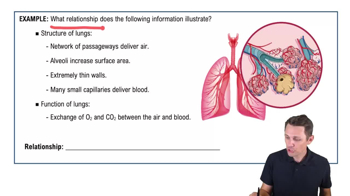
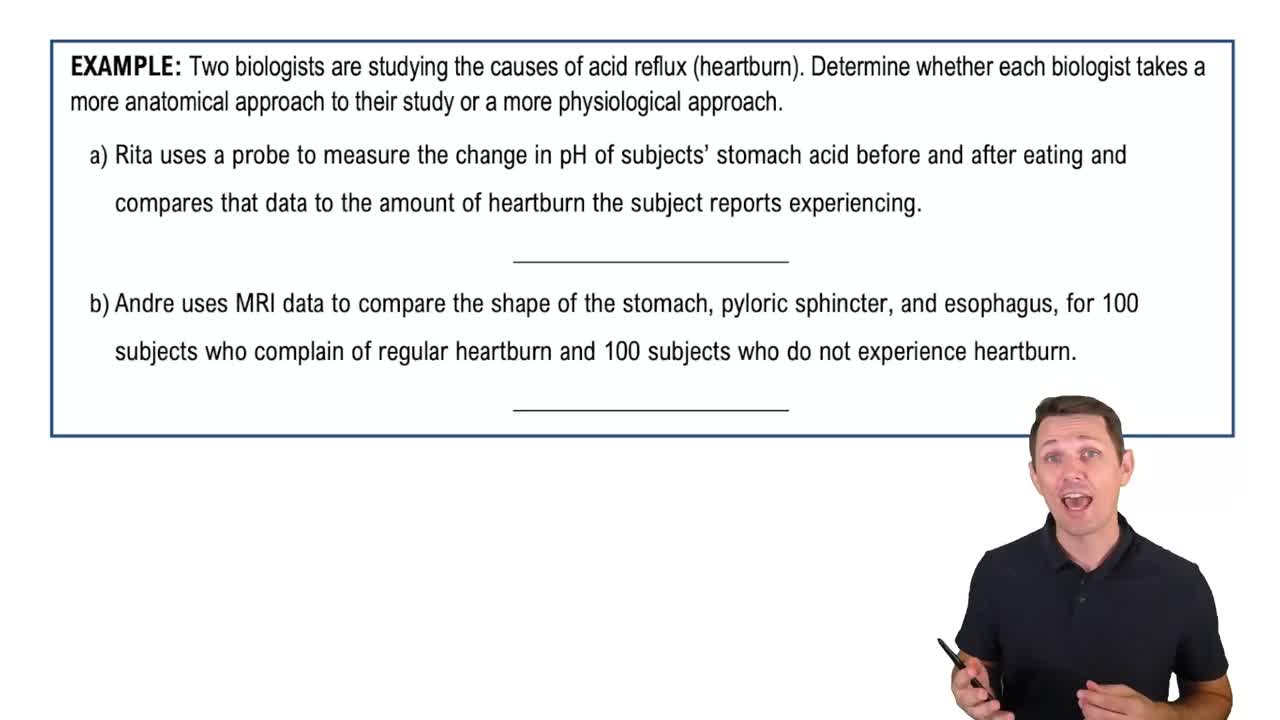
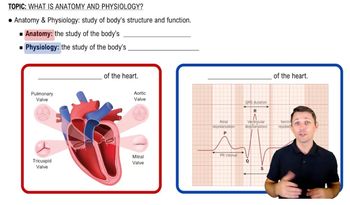
    Anatomy is the study of body structure, while physiology is the study of body function. They are related because structure often determines function.

  • Auscultation

    A healthcare technique involving listening to internal body sounds, such as heart or lung sounds, using a stethoscope.

  • Palpation

    A technique where healthcare professionals use their hands to feel body parts to assess size, consistency, texture, location, and tenderness.

  • Percussion

    A technique involving tapping on the body surface to evaluate the underlying structures based on the sound produced.

  • Levels of organization from smallest to largest

    Atom < Cell < Tissue < Organ < Organ system < Organism

  • Organ system for the urethra

    Urinary system

  • Organ system for the kidney

    Urinary system

  • Organ system for blood vessels

    Cardiovascular system

  • Organ system for prostate gland

    Reproductive system

  • Organ system for skeletal muscles

    Muscular system

  • Organ system for tongue

    Muscular system

  • Organ system for hair

    Integumentary system

  • Organ system for pituitary gland

    Endocrine system

  • Organ system for brain

    Nervous system

  • Organ system for pancreas

    Endocrine and Digestive systems

  • Organ system for ligaments

    Skeletal system

  • Organ system for trachea

    Respiratory system

  • Organ system for cartilage

    Skeletal system

  • Organ system for large intestine

    Digestive system

  • Organ system for spleen

    Lymphatic/Immune system

  • Organ system for lung

    Respiratory system

  • Organ system for ovary

    Reproductive system

  • Organ system for spinal cord

    Nervous system

  • Function: Absorbs nutrients

    Digestive system

  • Function: Returns tissue fluids to the bloodstream

    Lymphatic/Immune system

  • Function: Produces male sex cells and hormones

    Reproductive system

  • Function: Excretes waste products from the blood

    Urinary system

  • Function: Generates heat to maintain body temperature

    Muscular system

  • Function: Helps regulate body temperature and protect against environmental hazards

    Integumentary system

  • Function: Provides oxygen to bloodstream

    Respiratory system

  • Function: Provides support and protection for other tissues

    Skeletal system

  • Function: Directs immediate responses to stimuli

    Nervous system

  • Function: Removes carbon dioxide from the bloodstream

    Respiratory system

  • Function: Supports developing embryo from conception to delivery

    Reproductive system

  • Function: Defends against infection and disease

    Lymphatic/Immune system

  • Function: Distributes heat to assist in control of body temperature

    Cardiovascular system

  • Function: Directs long term changes of other organ systems (controls hormone secretion)

    Endocrine system

  • Function: Provides movement

    Muscular system

  • Function: Distributes blood cells, water, and dissolved materials throughout the body

    Cardiovascular system

  • Anatomical position description

    Standing up, body facing forward, arms at sides, palms facing forward.

  • Directional term: The heart is __ to the breastbone

    Posterior

  • Directional term: The heart is __ to the arm

    Medial

  • Directional term: The navel is __ to the chin

    Inferior

  • Directional term: The breastbone is __ to the spine

    Anterior

  • Directional term: The head is __ to the abdomen

    Superior

  • Directional term: The lungs are __ to the skin

    Deep

  • Directional term: The arms are __ to the chest

    Lateral

  • Directional term: The knee is __ to the thigh

    Distal

  • Directional term: The skin is __ to skeletal muscles

    Superficial

  • Directional term: The elbow is __ to the wrist

    Proximal

  • Directional term: The left arm is __ to the right leg

    Contralateral

  • Body section producing superior and inferior halves

    Transverse section

  • Body section producing right and left sides

    Sagittal section

  • Body section dividing the body into anterior and posterior parts

    Frontal (coronal) section

  • Body cavity for esophagus

    Thoracic cavity

  • Body cavity for liver

    Abdominal cavity

  • Body cavity for ovaries

    Pelvic cavity

  • Body cavity for lungs

    Pleural cavity

  • Body cavity for small intestine

    Abdominal cavity

  • Body cavity for trachea

    Thoracic cavity

  • Body cavity for urinary bladder

    Pelvic cavity

  • Body cavity for spleen

    Abdominal cavity

  • Body cavity for stomach

    Abdominal cavity

  • Body cavity for heart

    Pericardial cavity

  • Definition and location of mediastinum

    The mediastinum is the central compartment of the thoracic cavity between the lungs containing the heart, trachea, esophagus, and major vessels.

  • Parietal pleura vs. visceral pleura

    Parietal pleura lines the thoracic cavity; visceral pleura covers the lungs.

  • Parietal pericardium vs. visceral pericardium

    Parietal pericardium lines the pericardial sac; visceral pericardium covers the heart surface.

  • Parietal peritoneum vs. visceral peritoneum

    Parietal peritoneum lines the abdominal cavity; visceral peritoneum covers abdominal organs.

  • Negative feedback example: blood glucose regulation

    When blood glucose rises, the pancreas secretes insulin to lower it. Once normal, insulin secretion stops.

  • Positive feedback example: labor contractions

    Oxytocin release increases uterine contractions, which causes more oxytocin release until birth.

  • Definition of homeostasis

    Homeostasis is the body's ability to maintain a stable internal environment despite external changes, essential for survival and function.