Ch. 24 Nutrition, Metabolism, and Energy Balance
Hoehn - Marieb Human Anatomy & Physiology, 12th edition
Hoehn, Haynes, Abbott12th EditionMarieb Human Anatomy & PhysiologyISBN: 9780138242732Not the one you use?Change textbook
Chapter 24, Problem 4

Which of the following best defines cellular respiration?
a. Intake of carbon dioxide and output of oxygen by cells
b. Excretion of waste products
c. Inhalation of oxygen and exhalation of carbon dioxide
d. Oxidation of substances by which energy is released in usable form to the cells

Verified step by step guidance
1
Understand the concept of cellular respiration: Cellular respiration is a biochemical process where cells convert glucose and oxygen into energy (ATP), carbon dioxide, and water. It is essential for providing energy to cells for their functions.
Eliminate incorrect options: Review each answer choice and compare it to the definition of cellular respiration. For example, options related to inhalation/exhalation or excretion of waste products are not directly related to the biochemical process of energy production.
Focus on the key term 'oxidation': Cellular respiration involves the oxidation of glucose molecules, where electrons are transferred to oxygen, releasing energy stored in chemical bonds.
Recall the usable form of energy: The energy released during cellular respiration is stored in the form of ATP (adenosine triphosphate), which is the primary energy currency of the cell.
Select the correct answer: Based on the definition and process of cellular respiration, identify the option that describes the oxidation of substances to release energy in a usable form for cells.

Verified video answer for a similar problem:

This video solution was recommended by our tutors as helpful for the problem above.
Was this helpful?

Key Concepts

Here are the essential concepts you must grasp in order to answer the question correctly.

Cellular Respiration

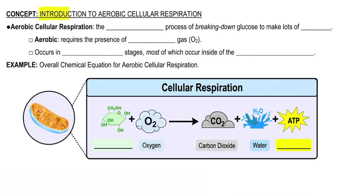
Cellular respiration is a biochemical process in which cells convert nutrients, primarily glucose, into energy in the form of adenosine triphosphate (ATP). This process involves a series of metabolic reactions that occur in the mitochondria of cells, utilizing oxygen and producing carbon dioxide as a byproduct.
Recommended video:
03:38
Introduction to Cellular Respiration

Oxidation-Reduction Reactions

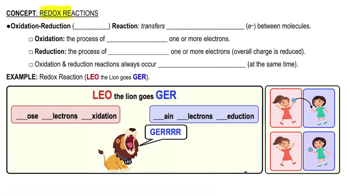
Oxidation-reduction (redox) reactions are chemical reactions that involve the transfer of electrons between substances. In cellular respiration, glucose is oxidized, meaning it loses electrons, while oxygen is reduced, gaining electrons. This electron transfer is crucial for the energy release that powers cellular functions.
Recommended video:
04:46
Redox Reactions

Energy Production

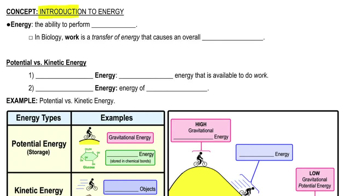
Energy production in cellular respiration occurs through three main stages: glycolysis, the Krebs cycle, and the electron transport chain. Each stage contributes to the breakdown of glucose and the generation of ATP, which is essential for various cellular activities, making it a vital process for all living organisms.
Recommended video:
4:58
Introduction to Energy