Ch. 3 Cells: The Living Units
Marieb - Human Anatomy & Physiology 11th Edition
Marieb, Hoehn11th EditionHuman Anatomy & PhysiologyISBN: 9780136874034Not the one you use?Change textbook
Chapter 3, Problem 20

In their anatomy lab, many students are exposed to the chemical preservatives phenol, formaldehyde, and alcohol. Our cells break down these toxins very effectively. What cellular organelle is responsible for this?

Verified step by step guidance
1
Identify the function of cellular organelles involved in detoxification processes within the cell.
Recall that the organelle responsible for breaking down toxins and harmful substances like phenol, formaldehyde, and alcohol is the smooth endoplasmic reticulum (SER).
Understand that the smooth endoplasmic reticulum contains enzymes that metabolize and detoxify chemicals, making them less harmful to the cell.
Recognize that other organelles, such as lysosomes, are involved in digestion of cellular waste, but detoxification of chemicals primarily occurs in the smooth endoplasmic reticulum.
Summarize that the smooth endoplasmic reticulum plays a key role in metabolizing and detoxifying chemical preservatives encountered in the anatomy lab.

Verified video answer for a similar problem:

This video solution was recommended by our tutors as helpful for the problem above.
Video duration:
2m
Was this helpful?

Key Concepts

Here are the essential concepts you must grasp in order to answer the question correctly.

Cellular Organelles and Their Functions

Cells contain specialized structures called organelles, each performing specific tasks. Understanding which organelle is responsible for detoxifying harmful substances is key to answering the question about breaking down chemical preservatives.
Recommended video:
02:04
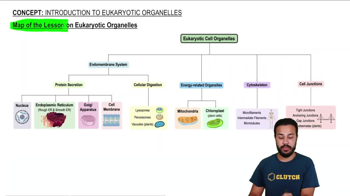
Map of the Lesson on Eukaryotic Organelles

Role of Peroxisomes in Detoxification

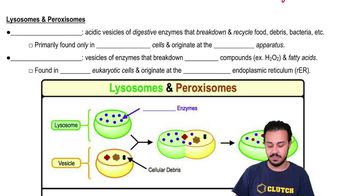
Peroxisomes are organelles that contain enzymes to break down toxic substances like phenol, formaldehyde, and alcohol. They neutralize harmful chemicals by oxidizing them, protecting the cell from damage.
Recommended video:
05:38
Lysosomes & Peroxisomes

Metabolism of Chemical Preservatives

Chemical preservatives such as phenol, formaldehyde, and alcohol are metabolized through enzymatic reactions within cells. Understanding how these toxins are processed helps identify the organelle involved in their breakdown.
Recommended video:
02:17
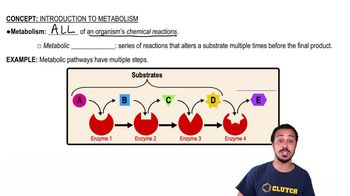
Introduction to Metabolism