Ch. 11 Cardiovascular System
Marieb - Essentials of Human Anatomy & Physiology 13th Edition
Marieb13th EditionEssentials of Human Anatomy & PhysiologyISBN: 9780135624340Not the one you use?Change textbook
Chapter 11, Problem 25

What is the function of the hepatic portal circulation? In what way is a portal circulation a 'strange' circulation?

Verified step by step guidance
1
Understand the hepatic portal circulation: The hepatic portal circulation is a system of veins that carries blood from the gastrointestinal tract and spleen to the liver. This blood is rich in nutrients absorbed from food and requires processing before entering the systemic circulation.
Identify the primary function: The main function of the hepatic portal circulation is to transport nutrient-rich blood to the liver, where the liver metabolizes nutrients, detoxifies harmful substances, and stores certain vitamins and minerals.
Explain why it is 'strange': A portal circulation is considered 'strange' because it involves two capillary beds connected in series by a vein. In the hepatic portal system, the first capillary bed is in the gastrointestinal tract, where nutrients are absorbed, and the second capillary bed is in the liver, where the blood is processed.
Highlight the importance of this arrangement: This unique setup ensures that the liver has direct access to nutrients and toxins from the digestive system, allowing it to regulate blood composition effectively before the blood enters the systemic circulation.
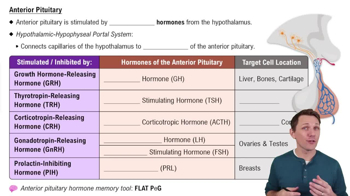
Relate to broader physiology: Portal circulations are rare in the body, with the hepatic portal system being one of the few examples. Another example is the hypothalamic-pituitary portal system, which connects the hypothalamus to the anterior pituitary gland for hormone regulation.

Verified video answer for a similar problem:

This video solution was recommended by our tutors as helpful for the problem above.
Video duration:
1m
Was this helpful?

Key Concepts

Here are the essential concepts you must grasp in order to answer the question correctly.

Hepatic Portal Circulation

Hepatic portal circulation is a system of blood vessels that carries blood from the gastrointestinal tract and spleen to the liver. This circulation allows the liver to process nutrients, detoxify substances, and regulate blood sugar levels before the blood enters the general circulation. It plays a crucial role in metabolism and maintaining homeostasis.
Recommended video:
Guided course
02:52
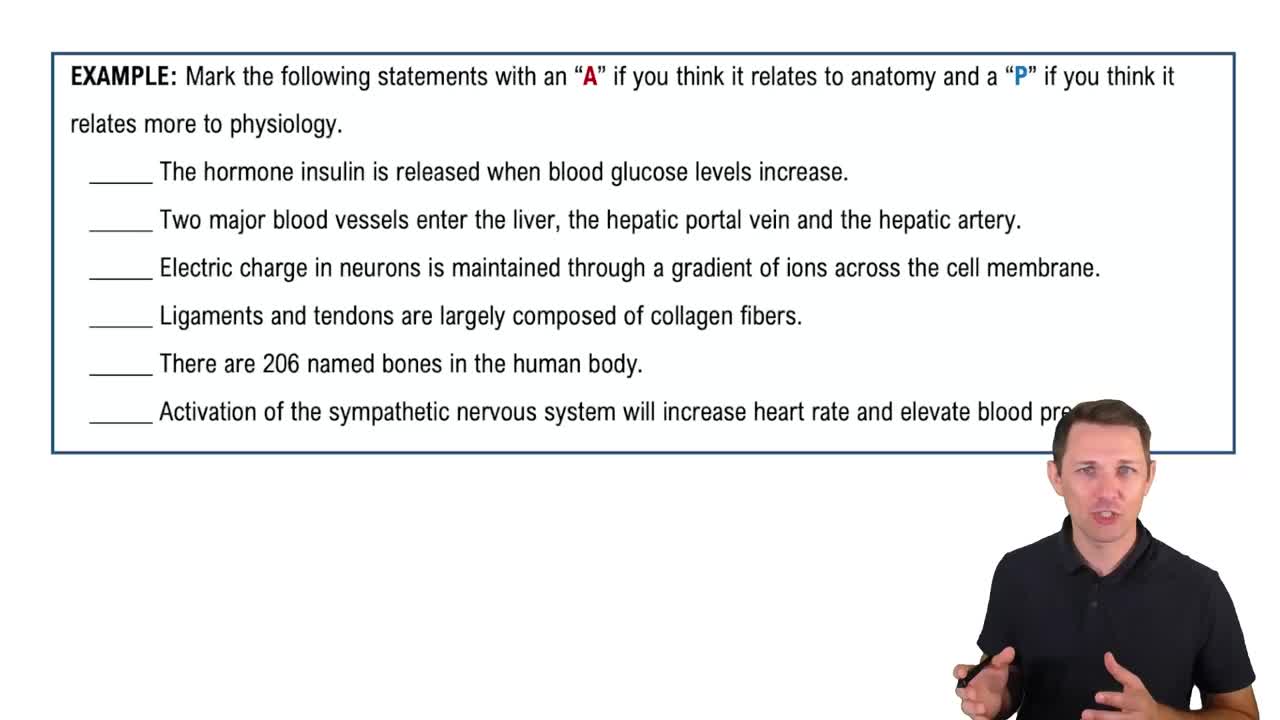
What is Anatomy & Physiology? Example 1

Portal Circulation

Portal circulation refers to a unique blood flow pathway where blood from one capillary bed is transported to another capillary bed via a portal vein, rather than returning directly to the heart. This system is 'strange' because it allows for the direct delivery of substances absorbed in the intestines to the liver for processing, which is not typical in most circulatory systems.
Recommended video:
Guided course
10:02
Anterior Pituitary

Liver Function

The liver performs numerous vital functions, including detoxification, protein synthesis, and the production of biochemicals necessary for digestion. It processes nutrients absorbed from the digestive tract, converting them into forms that can be used by the body or stored for later use. Understanding liver function is essential to grasp the significance of hepatic portal circulation.
Recommended video:
Guided course
2:59
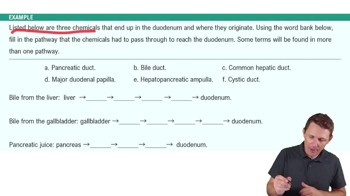
Duct System of the Liver, Gallbladder, and Pancreas Example 1