Ch. 20 The Heart
Martini - Fundamentals of Anatomy & Physiology 11th Edition
Martini, Nath, Bartholomew11th EditionFundamentals of Anatomy & PhysiologyISBN: 9780136874089Not the one you use?Change textbook
Chapter 20, Problem 27

Describe the effects of epinephrine, norepinephrine, glucagon, and thyroid hormones on the contractility of the heart.

Verified step by step guidance
1
Step 1: Understand the concept of cardiac contractility, which refers to the strength and force of the heart's contractions independent of preload and afterload. Contractility is influenced by various hormones and neurotransmitters that affect calcium availability in cardiac muscle cells.
Step 2: Analyze the effect of epinephrine and norepinephrine, which are catecholamines released by the adrenal medulla and sympathetic nerve endings. These hormones bind to beta-1 adrenergic receptors on cardiac muscle cells, leading to increased cyclic AMP (cAMP) production and enhanced calcium influx, thereby increasing contractility.
Step 3: Examine the role of glucagon, a hormone released by the pancreas during low blood glucose levels. Glucagon can also increase cardiac contractility by stimulating cAMP production in cardiac cells, similar to catecholamines, which enhances calcium availability and strengthens heart contractions.
Step 4: Consider the effects of thyroid hormones (mainly T3 and T4), which increase the expression of beta-adrenergic receptors and enhance the responsiveness of the heart to catecholamines. This results in increased heart rate and contractility over time by promoting greater calcium handling and energy metabolism in cardiac cells.
Step 5: Summarize that epinephrine, norepinephrine, and glucagon directly increase cardiac contractility through cAMP-mediated pathways, while thyroid hormones indirectly enhance contractility by upregulating beta-adrenergic receptors and improving cardiac cell function.

Verified video answer for a similar problem:

This video solution was recommended by our tutors as helpful for the problem above.
Was this helpful?

Key Concepts

Here are the essential concepts you must grasp in order to answer the question correctly.

Role of Catecholamines (Epinephrine and Norepinephrine) in Cardiac Contractility

Epinephrine and norepinephrine are catecholamines that increase heart contractility by binding to beta-1 adrenergic receptors on cardiac muscle cells. This activates the cAMP pathway, enhancing calcium influx during action potentials, which strengthens myocardial contraction and increases heart rate.
Recommended video:
Guided course
3:49
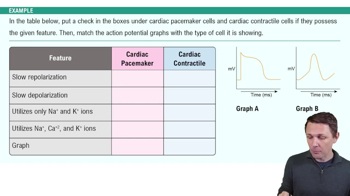
Cardiac Action Potentials Example 1

Effect of Glucagon on the Heart

Glucagon, primarily known for regulating blood glucose, also increases cardiac contractility by stimulating adenylate cyclase via glucagon receptors. This raises cAMP levels in cardiac cells, similar to catecholamines, promoting stronger and more forceful heart contractions.
Recommended video:
1:32
Effects of the Complement System

Influence of Thyroid Hormones on Cardiac Function

Thyroid hormones (T3 and T4) enhance heart contractility by increasing the expression of beta-adrenergic receptors and proteins involved in calcium handling. This leads to heightened sensitivity to catecholamines and improved calcium cycling, resulting in increased cardiac output and contractile strength.
Recommended video:
Guided course
13:06
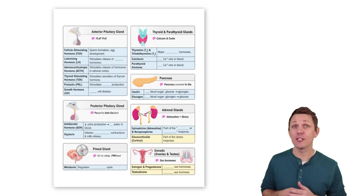
Review of Major Hormones