Ch. 27 Fluids & Electrolytes
Martini - Fundamentals of Anatomy & Physiology 11th Edition
Martini, Nath, Bartholomew11th EditionFundamentals of Anatomy & PhysiologyISBN: 9780136874089Not the one you use?Change textbook
Chapter 26, Problem 26

After falling into an abandoned stone quarry filled with water and nearly drowning, a young boy is rescued. In assessing his condition, rescuers find that his body fluids have high PCO₂ and lactate levels and low PO₂ levels. Identify the underlying problem and recommend the necessary treatment to restore homeostatic conditions.

Verified step by step guidance
1
Step 1: Understand the physiological context by recognizing that high PCO₂ (partial pressure of carbon dioxide) and lactate levels, along with low PO₂ (partial pressure of oxygen), indicate that the boy is experiencing hypoxia and respiratory acidosis due to inadequate oxygen delivery and impaired gas exchange.
Step 2: Identify that the elevated lactate level suggests anaerobic metabolism is occurring because tissues are not receiving enough oxygen, leading to lactic acid buildup and metabolic acidosis.
Step 3: Recognize that the high PCO₂ indicates hypoventilation or impaired removal of carbon dioxide from the lungs, which can worsen acidosis and reduce blood pH.
Step 4: Conclude that the underlying problem is respiratory failure combined with metabolic acidosis caused by hypoxia and impaired gas exchange after near drowning in water.
Step 5: Recommend treatment focused on restoring oxygenation and ventilation, such as providing supplemental oxygen or mechanical ventilation to increase PO₂ and decrease PCO₂, and monitoring acid-base balance to correct metabolic acidosis, thereby restoring homeostasis.

Verified video answer for a similar problem:

This video solution was recommended by our tutors as helpful for the problem above.
Was this helpful?

Key Concepts

Here are the essential concepts you must grasp in order to answer the question correctly.

Respiratory Physiology and Gas Exchange

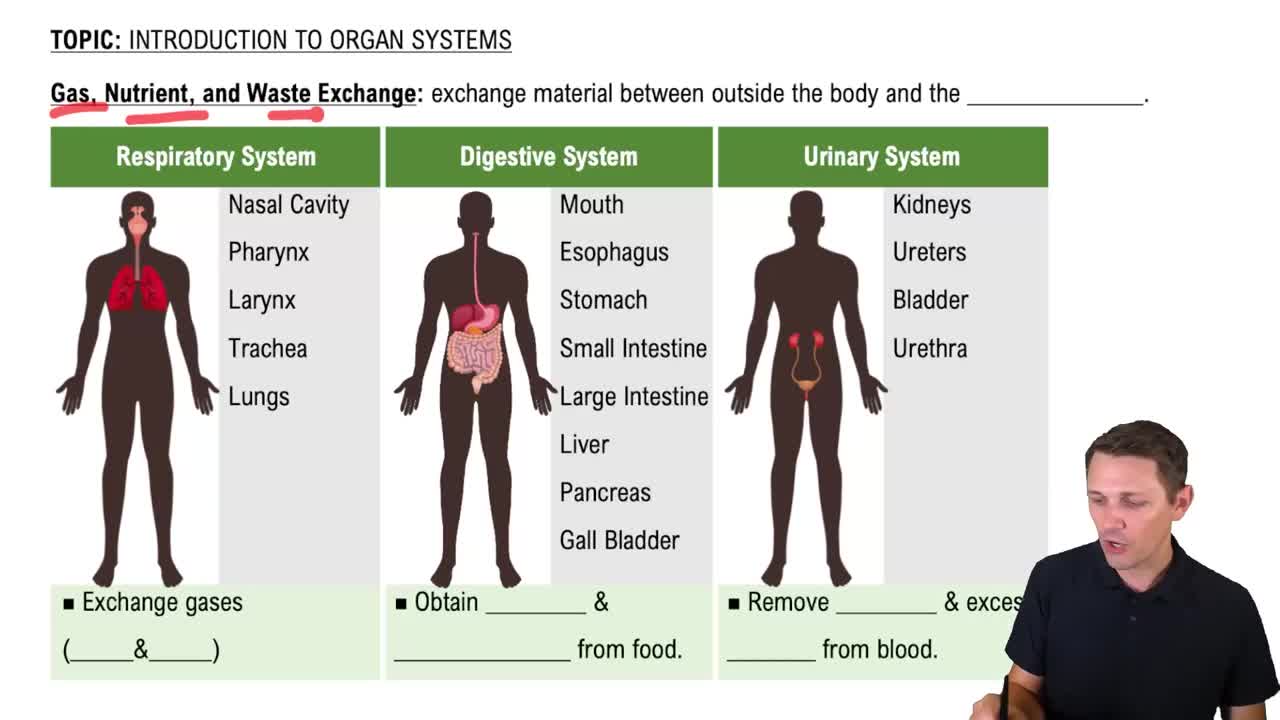
This concept involves understanding how oxygen (O₂) and carbon dioxide (CO₂) are exchanged in the lungs and transported in the blood. High PCO₂ and low PO₂ indicate impaired gas exchange, often due to hypoventilation or lung injury, leading to hypoxia and hypercapnia. Recognizing these changes helps identify respiratory failure or distress.
Recommended video:
Guided course
03:59
Gas, Nutrient and Waste Exchange

Metabolic Acidosis and Lactate Production

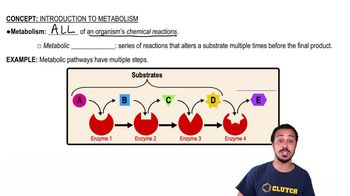
Elevated lactate levels suggest anaerobic metabolism caused by tissue hypoxia, leading to metabolic acidosis. When oxygen delivery is insufficient, cells switch to anaerobic respiration, producing lactate as a byproduct. Understanding this helps explain the acid-base imbalance and guides treatment to restore oxygenation and perfusion.
Recommended video:
02:17
Introduction to Metabolism

Homeostatic Restoration and Treatment Strategies

Restoring homeostasis involves correcting oxygen deficiency and removing excess CO₂ to normalize blood gases and pH. Treatment may include oxygen therapy, ventilation support, and addressing underlying causes like lung injury or fluid aspiration. Prompt intervention prevents organ damage and stabilizes the patient's condition.
Recommended video:
1:56
Function of the Parasympathetic Nervous System