
Ch. 5 The Integumentary System
Martini - Fundamentals of Anatomy & Physiology 11th Edition
Martini, Nath, Bartholomew11th EditionFundamentals of Anatomy & PhysiologyISBN: 9780136874089Not the one you use?Change textbook
Chapter 5, Problem 6

The two major components of the dermis are the
(a) Superficial fascia and cutaneous membrane
(b) Epidermis and subcutaneous layer
(c) Papillary layer and reticular layer
(d) Stratum basale and stratum corneum

Verified step by step guidance
1
Step 1: Understand the structure of the skin, which consists of three main layers: the epidermis (outer layer), the dermis (middle layer), and the hypodermis or subcutaneous layer (deepest layer).
Step 2: Recognize that the question asks specifically about the two major components of the dermis, not the epidermis or other layers.
Step 3: Recall that the dermis is primarily divided into two layers: the papillary layer, which is the upper, thinner layer containing loose connective tissue, and the reticular layer, which is the thicker, deeper layer composed of dense irregular connective tissue.
Step 4: Evaluate the answer choices by matching them to the known layers of the dermis: (a) superficial fascia and cutaneous membrane are not layers of the dermis; (b) epidermis and subcutaneous layer are not part of the dermis; (c) papillary layer and reticular layer correspond exactly to the two major layers of the dermis; (d) stratum basale and stratum corneum are layers of the epidermis, not the dermis.
Step 5: Conclude that the correct components of the dermis are the papillary layer and reticular layer, which corresponds to option (c).

Verified video answer for a similar problem:

This video solution was recommended by our tutors as helpful for the problem above.
Video duration:
2m
Was this helpful?

Key Concepts

Here are the essential concepts you must grasp in order to answer the question correctly.

Dermis Structure

The dermis is the thick layer of skin beneath the epidermis, composed mainly of connective tissue. It provides strength and elasticity to the skin and houses blood vessels, nerves, and glands essential for skin function.
Recommended video:
3:00
The Dermis Example 1

Papillary Layer

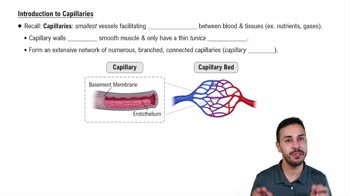
The papillary layer is the upper part of the dermis, made of loose connective tissue. It contains capillaries and sensory neurons, supporting the epidermis and playing a role in nutrient exchange and sensation.
Recommended video:
4:36
Introduction to Capillaries

Reticular Layer

The reticular layer is the deeper, thicker part of the dermis, composed of dense irregular connective tissue. It provides structural support, contains collagen and elastin fibers, and houses important skin appendages like hair follicles and sweat glands.
Recommended video:
02:31
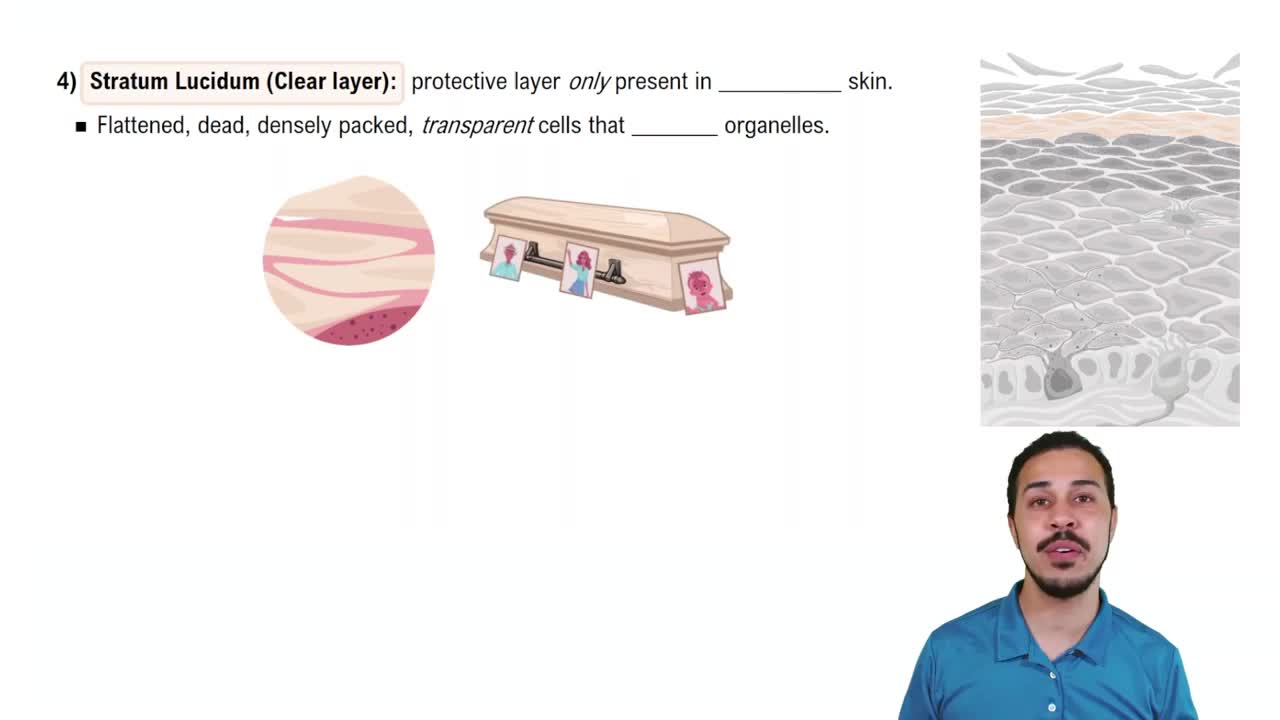
Epidermal Layers: Stratum Lucidum (Clear Layer)