Pearson+ LogoPearson+ Logo
Ch. 21 Nutrition and Digestion
Taylor - Campbell Biology: Concepts & Connections 10th Edition
Taylor, Simon, Dickey, Hogan10th EditionCampbell Biology: Concepts & ConnectionsISBN: 9780136538783Not the one you use?Change textbook
Chapter 21, Problem 11

One common piece of dieting advice is to replace energy-dense food with nutrient-dense food. What does this mean?

Verified step by step guidance
1
Understand the concept of 'energy-dense' foods, which are foods that contain a high amount of calories relative to their weight or volume. Examples include fried foods, fast food, and sweets.
Learn about 'nutrient-dense' foods, which are foods that provide a high amount of nutrients relative to their calorie content. These foods include fruits, vegetables, lean proteins, and whole grains.
Recognize the goal of the advice, which is to encourage the consumption of foods that provide more nutritional benefits (vitamins, minerals, fiber) for fewer calories, thus supporting overall health and weight management.
Consider how replacing energy-dense foods with nutrient-dense foods can lead to a more balanced diet. This switch helps in reducing caloric intake while still providing essential nutrients needed for the body's functions.
Apply this knowledge in daily life by choosing meals and snacks that focus on nutrient-dense options, thereby promoting better health outcomes and potentially aiding in weight loss or maintenance.

Verified video answer for a similar problem:

This video solution was recommended by our tutors as helpful for the problem above.
Video duration:
1m
Was this helpful?

Key Concepts

Here are the essential concepts you must grasp in order to answer the question correctly.

Energy-Dense Foods

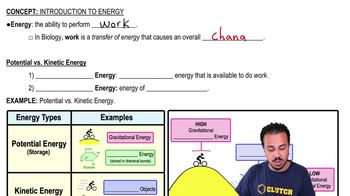
Energy-dense foods are those that provide a high number of calories relative to their weight or volume. These foods often contain high levels of fats and sugars, which can lead to excessive calorie intake without providing essential nutrients. Examples include fried foods, sugary snacks, and processed items, which can contribute to weight gain and poor health if consumed in excess.
Recommended video:
Guided course
04:58
Introduction to Energy

Nutrient-Dense Foods

Nutrient-dense foods are those that offer a high amount of vitamins, minerals, and other beneficial nutrients relative to their calorie content. These foods are typically whole, unprocessed items such as fruits, vegetables, whole grains, lean proteins, and legumes. Incorporating nutrient-dense foods into a diet can promote better health and help maintain a healthy weight by providing essential nutrients without excessive calories.
Recommended video:
Guided course
03:25
Soil Nutrients

Dietary Balance

Dietary balance refers to the practice of consuming a variety of foods in appropriate proportions to meet nutritional needs while managing caloric intake. Replacing energy-dense foods with nutrient-dense options is a strategy to achieve this balance, as it helps individuals obtain necessary nutrients while reducing the risk of overeating. This approach supports overall health and can aid in weight management.
Recommended video:
06:29
Balancing Selection
Related Practice
Textbook Question

Use the Nutrition Facts label to the right to answer these questions: Is this product a good source of vitamin D and calcium? Explain.

792
views
Textbook Question

Use the Nutrition Facts label to the right to answer these questions: Each gram of fat supplies 9 Calories. Based on the grams of saturated fat and its % Daily Value, calculate the upper limit of saturated fat (in grams and Calories) that an individual on a 2,000-Calorie/day diet should consume.

1022
views
Textbook Question
How might our craving for fatty foods, which is helping to fuel the obesity crisis, have evolved through natural selection?
926
views
Textbook Question
The media report numerous claims and counterclaims about the benefits and dangers of certain foods, dietary supplements, and diets. Have you modified your eating habits on the basis of nutritional information disseminated by the media? Why or why not? How should we evaluate whether such nutritional claims are valid?
890
views
Textbook Question
It is estimated that 15% of Americans do not always have access to enough food. Worldwide, more than 1 billion people go to bed hungry most nights, and millions of people have starved to death in recent decades. In some cases, war, poor crop yields, and disease epidemics strip people of food. Many say instead that it is not inadequate food production but unequal food ­distribution that causes food shortages. What responsibility do nations have for feeding their citizens? For feeding the people of other countries? What do you think you can do to lessen world hunger?
871
views
Textbook Question

Consider the relationship between ­correlation and causation with respect to some pairs of human traits. For example, are freckles and red hair correlated? Is there causation? How does this concept relate to the study of human nutrition? Can you name examples of correlation in humans with respect to obesity? Explain each answer.

950
views