Whereas the first edition of Bergey’s Manual relied on morphological and biochemical characteristics to classify microbes, the new edition focuses on ribosomal RNA sequences. List several other criteria for grouping and classifying bacteria.
Verified step by step guidance
1
Understand that bacterial classification can be based on multiple criteria beyond morphology, biochemical tests, and ribosomal RNA sequences.
Consider genetic methods such as DNA-DNA hybridization and whole-genome sequencing, which compare overall genetic similarity between bacterial strains.
Look at chemotaxonomic markers, including the composition of cell wall components (like peptidoglycan types), membrane lipids, and quinones, which can help differentiate bacterial groups.
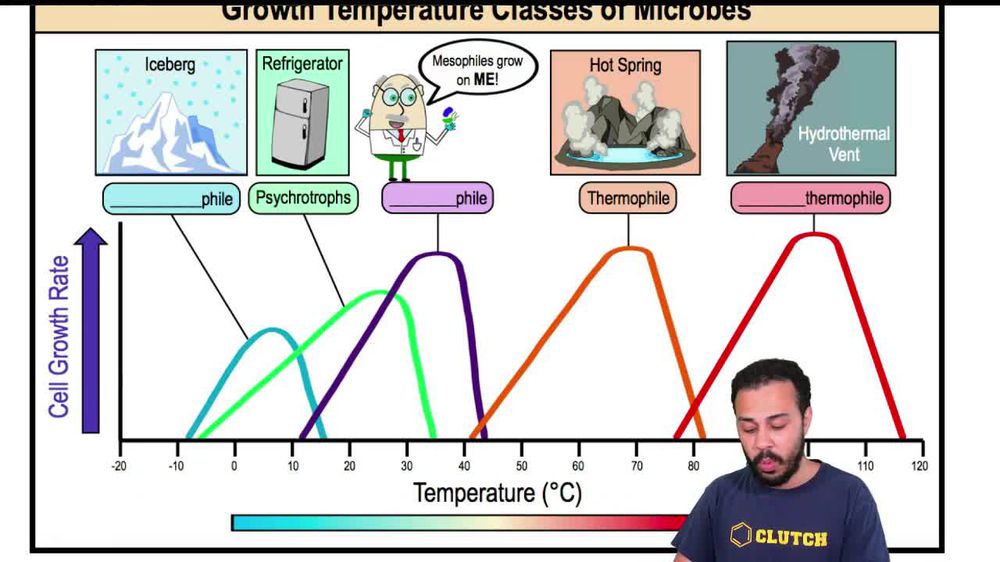
Examine physiological and metabolic characteristics, such as oxygen requirements, temperature and pH tolerance, and specific metabolic capabilities (e.g., nitrogen fixation, fermentation pathways).
Include ecological and pathogenic traits, such as habitat preference, symbiotic relationships, and disease-causing potential, which provide additional context for classification.
Verified video answer for a similar problem:
This video solution was recommended by our tutors as helpful for the problem above
Video duration:
2m
Play a video:
0 Comments
Key Concepts
Here are the essential concepts you must grasp in order to answer the question correctly.
Morphological and Biochemical Characteristics
These traditional criteria involve observing the shape, size, staining properties, and metabolic activities of bacteria. Morphology includes cell shape and arrangement, while biochemical tests assess enzyme activities and nutrient utilization, helping to differentiate species based on observable traits.
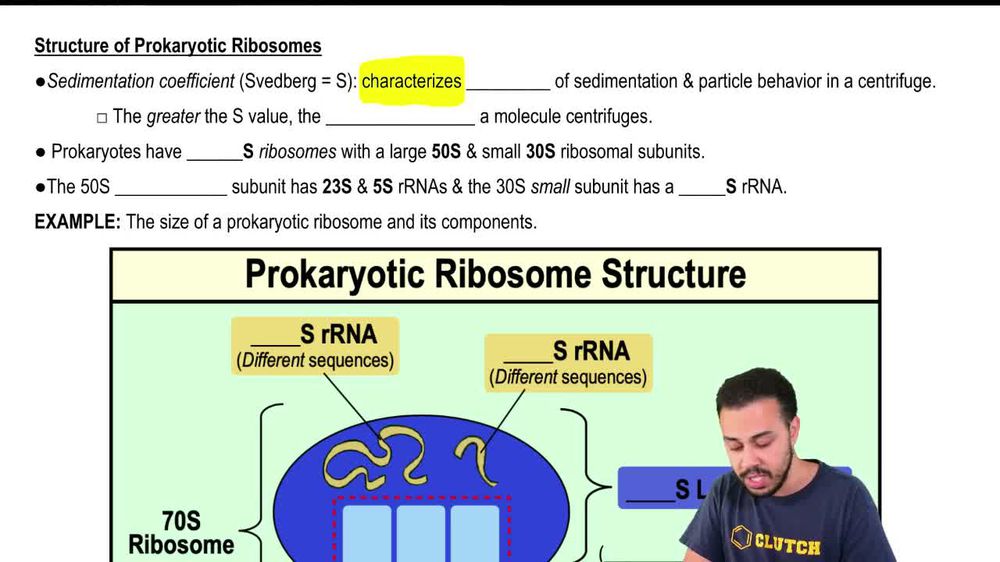
rRNA sequencing analyzes the genetic sequences of ribosomal RNA genes, which are highly conserved among bacteria. This molecular method allows for precise phylogenetic classification by comparing evolutionary relationships, providing a more accurate and objective basis for grouping bacteria than morphology alone.
Beyond morphology and rRNA, bacteria can be classified using criteria such as cell wall composition (Gram staining), lipid and fatty acid profiles, genomic DNA-DNA hybridization, metabolic capabilities, ecological roles, and pathogenicity. These diverse factors provide a comprehensive understanding of bacterial diversity and relationships.