Which of the following would you expect to see in acute infection by a Gram-negative bacterium? Select all that apply. a. Pyrexia b. Decreased lymphocytes c. Neutrophilic lymphocytosis d. Decreased monocytes e. Increased release of pro-inflammatory cytokines
Verified step by step guidance
1
Step 1: Understand the nature of acute infection by a Gram-negative bacterium. Gram-negative bacteria have an outer membrane containing lipopolysaccharides (LPS), which act as endotoxins and strongly stimulate the immune response.
Step 2: Recognize that pyrexia (fever) is a common systemic response to infection, especially due to the release of pyrogenic cytokines triggered by bacterial components like LPS.
Step 3: Recall that acute bacterial infections typically cause an increase in neutrophils (neutrophilia) rather than lymphocytes, so terms like 'neutrophilic lymphocytosis' need careful interpretation; lymphocytosis refers to increased lymphocytes, which is more common in viral infections.
Step 4: Consider the behavior of lymphocytes and monocytes during acute bacterial infections. Lymphocytes usually do not decrease significantly, and monocytes often increase or remain stable as they differentiate into macrophages to fight infection.
Step 5: Understand that pro-inflammatory cytokines such as TNF-alpha, IL-1, and IL-6 are released in increased amounts during acute Gram-negative bacterial infections, driving inflammation and systemic symptoms.
Verified video answer for a similar problem:
This video solution was recommended by our tutors as helpful for the problem above
Video duration:
3m
Play a video:
0 Comments
Key Concepts
Here are the essential concepts you must grasp in order to answer the question correctly.
Host Immune Response to Gram-Negative Bacterial Infection
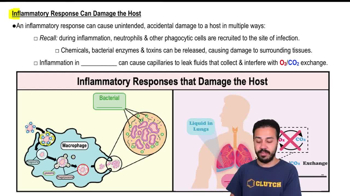
During an acute Gram-negative bacterial infection, the immune system activates innate defenses, including neutrophils and monocytes, to combat pathogens. This response often leads to fever (pyrexia) and increased production of pro-inflammatory cytokines, which help coordinate immune activity and inflammation.
Neutrophils are the primary responders to bacterial infections, often increasing in number (neutrophilia). Lymphocytes typically respond more to viral infections, so lymphocyte counts may decrease or remain unchanged. Monocytes can increase as they differentiate into macrophages to clear infection sites.
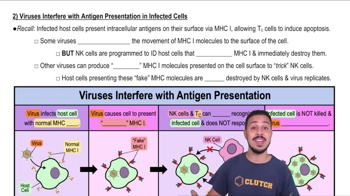
2) Viruses Interfere with Antigen Presentation in Infected Cells
Pro-Inflammatory Cytokines in Acute Infection
Gram-negative bacteria release endotoxins (lipopolysaccharides) that stimulate immune cells to release pro-inflammatory cytokines like TNF-alpha and IL-1. These cytokines induce fever, recruit immune cells, and amplify inflammation, playing a critical role in the symptoms and progression of acute bacterial infections.