Understand that algae are photosynthetic organisms that can be cultivated and harvested for various uses, making them economically valuable.
Identify that one major economic benefit of algae is their use in biofuel production, as certain algae species can produce large amounts of lipids that can be converted into biodiesel.
Recognize that algae serve as a source of food and nutritional supplements, such as spirulina and chlorella, which are rich in proteins, vitamins, and minerals.
Note that algae are used in the production of valuable biochemicals like agar, carrageenan, and alginate, which are important in the food industry as thickeners and stabilizers.
Consider that algae contribute to wastewater treatment by absorbing nutrients and pollutants, which can reduce treatment costs and promote environmental sustainability.
Verified video answer for a similar problem:
This video solution was recommended by our tutors as helpful for the problem above
Video duration:
1m
Play a video:
0 Comments
Key Concepts
Here are the essential concepts you must grasp in order to answer the question correctly.
Biofuel Production
Algae can be cultivated to produce biofuels such as biodiesel and bioethanol, offering a renewable and sustainable energy source that reduces reliance on fossil fuels and lowers greenhouse gas emissions.
Algae are rich in proteins, vitamins, and essential fatty acids, making them valuable as dietary supplements and food additives, contributing to health benefits and supporting the food industry.
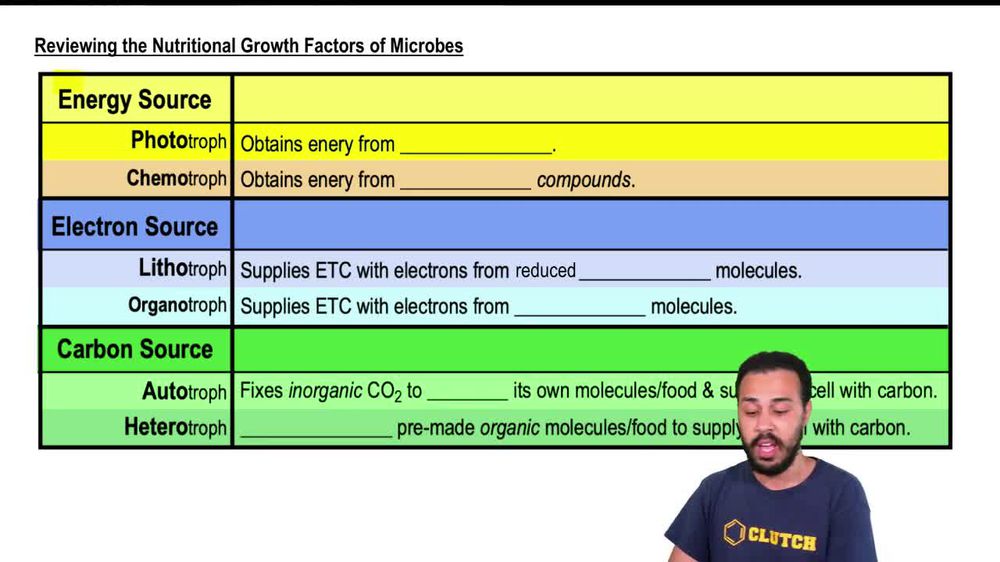
Reviewing the Nutritional Growth Factors of Microbes
Wastewater Treatment and Environmental Benefits
Algae can be used in wastewater treatment to remove nutrients and contaminants, improving water quality while simultaneously producing biomass that can be harvested for various economic uses.

 1:35 minutes
 Verified step by step guidance

 01:16
01:16