Of the following fungal diseases, which is found in almost all terminal AIDS patients? a. Chromoblastomycosis b. Blastomycosis c. Candidiasis d. Mycetoma
Verified step by step guidance
1
Step 1: Understand the context of the question, which focuses on fungal diseases commonly found in terminal AIDS patients. Terminal AIDS patients have severely compromised immune systems, making them susceptible to opportunistic infections.
Step 2: Review each fungal disease option and its typical association with immunocompromised patients: Chromoblastomycosis is a chronic fungal infection usually affecting the skin and subcutaneous tissue, not specifically linked to AIDS patients.
Step 3: Blastomycosis is a systemic fungal infection caused by Blastomyces dermatitidis, but it is not commonly found in terminal AIDS patients as a frequent opportunistic infection.
Step 4: Candidiasis, caused by Candida species, is a common opportunistic fungal infection in immunocompromised individuals, especially in AIDS patients. It often manifests as oral thrush or esophageal candidiasis in these patients.
Step 5: Mycetoma is a chronic granulomatous fungal infection affecting the skin and subcutaneous tissues, but it is not typically associated with AIDS or immunosuppression. Therefore, the fungal disease found in almost all terminal AIDS patients is candidiasis.
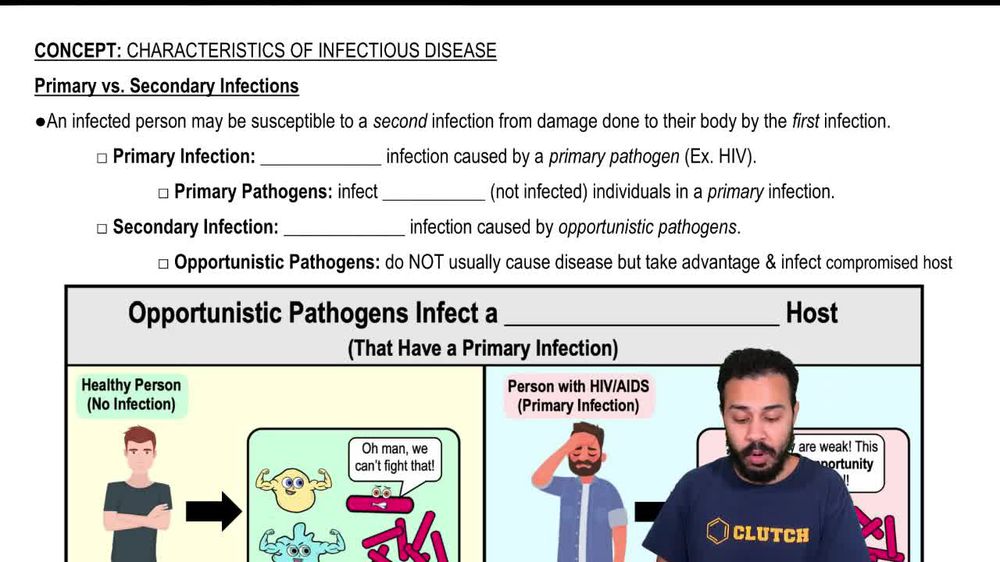
Verified video answer for a similar problem:
This video solution was recommended by our tutors as helpful for the problem above
Video duration:
2m
Play a video:
0 Comments
Key Concepts
Here are the essential concepts you must grasp in order to answer the question correctly.
Opportunistic Fungal Infections in AIDS
AIDS patients have weakened immune systems, making them highly susceptible to opportunistic infections, especially fungal diseases. These infections often occur when the immune system is severely compromised, leading to frequent and severe fungal diseases in terminal stages.
Candidiasis, caused by Candida species, is one of the most common fungal infections in AIDS patients. It often affects mucous membranes, such as the mouth and esophagus, and can become systemic in advanced immunosuppression, making it prevalent in terminal AIDS cases.
Understanding the epidemiology and clinical presentation of fungal diseases like chromoblastomycosis, blastomycosis, and mycetoma helps distinguish them from candidiasis. These diseases are less commonly associated with AIDS and have different geographic and clinical profiles.

 2:28 minutes
 Verified step by step guidance
 04:16
04:16