Diagram the pathway taken by E. coli to cause cystitis. Do the same for pyelonephritis. Diagram the pathway taken by N. gonorrhoeae to cause PID.
Verified step by step guidance
1
Step 1: Understand the anatomy involved. The female urinary and reproductive systems include the urethra, bladder, ureters, kidneys, vagina, cervix, uterus, fallopian tubes, and ovaries. These structures are key to tracing infection pathways.
Step 2: Diagram the pathway of E. coli causing cystitis. E. coli typically ascends from the external urethral opening, moves up the urethra, and infects the bladder, causing cystitis (bladder infection). This is a lower urinary tract infection.
Step 3: Diagram the pathway of E. coli causing pyelonephritis. From the bladder, E. coli can ascend through the ureters to infect the kidneys, leading to pyelonephritis, which is an upper urinary tract infection.
Step 4: Diagram the pathway of N. gonorrhoeae causing pelvic inflammatory disease (PID). N. gonorrhoeae infects the vagina and cervix, then ascends through the uterus to the fallopian tubes and ovaries, causing PID, an infection of the upper reproductive tract.
Step 5: Summarize the differences. E. coli infections start at the urethra and move upward through the urinary tract, while N. gonorrhoeae infections start in the lower reproductive tract and ascend to the upper reproductive organs.
Verified video answer for a similar problem:
This video solution was recommended by our tutors as helpful for the problem above
Video duration:
1m
Play a video:
0 Comments
Key Concepts
Here are the essential concepts you must grasp in order to answer the question correctly.
Pathogenesis of E. coli in Urinary Tract Infections
E. coli causes cystitis by ascending from the urethra into the bladder, where it adheres to the urothelial cells using fimbriae. If untreated, the bacteria can continue ascending through the ureters to infect the kidneys, causing pyelonephritis. Understanding this ascending infection pathway is crucial for diagnosing and treating urinary tract infections.
Pathogenesis of Neisseria gonorrhoeae in Pelvic Inflammatory Disease (PID)
N. gonorrhoeae infects the female reproductive tract by colonizing the cervix and ascending through the uterus and fallopian tubes. This ascending infection can lead to PID, causing inflammation and damage to reproductive organs. Recognizing this pathway helps explain the clinical manifestations and complications of gonococcal infections.
Anatomical Pathways of Female Urinary and Reproductive Tracts
The female urinary and reproductive systems are anatomically connected, allowing pathogens to ascend from external openings to internal organs. The urethra leads to the bladder and kidneys, while the vagina connects to the cervix, uterus, and fallopian tubes. Understanding these pathways is essential for mapping infection routes and their clinical outcomes.

 1:41 minutes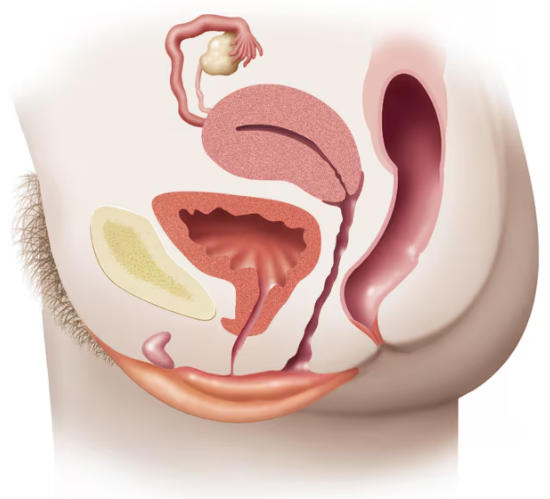
 Verified step by step guidance
 04:12
04:12