
Textbook Question
Compare and contrast the Chinese practice of variolation with Jenner’s vaccination procedure.
1592
views

 Verified step by step guidance
 00:48
00:48
 03:59
03:59 06:49
06:49Compare and contrast the Chinese practice of variolation with Jenner’s vaccination procedure.
To obtain immediate immunity against tetanus, a patient should receive:
a. An attenuated vaccine of Clostridium tetani
b. A modified live vaccine of C. tetani
c. Tetanus toxoid
d. Immunoglobulin against tetanus toxin (antitoxin)
_______ Passive immunotherapy provides more prolonged immunity than active immunization.
In the blank before each description, write the letter of the matching term. Some choices may be used more than once.
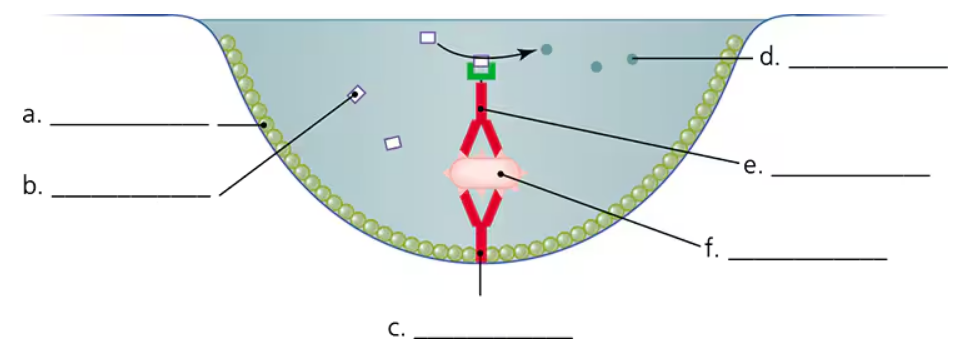
1._____ Induces rapid onset of immunity
2._____Induces mainly an antibody response
3. _____Induces good cell-mediated immunity
4. _____Increases antigenicity
5. _____Uses antigen fragments
6. _____Uses attenuated microbes
A. Attenuated viral vaccine
B. Adjuvant
C. Subunit vaccine
D. Immunoglobulin
E. Residual virulence