Capsules of pathogenic enteric bacteria are virulence factors because they __________. a. Capture iron from hemoglobin and store it in the bacteria b. Release hemolysins that destroy red blood cells c. Produce fimbriae that enable the bacteria to attach to human cells d. Protect the bacteria from phagocytosis and from some antibodies
Verified step by step guidance
1
Understand what a capsule is: it is a polysaccharide layer that surrounds some bacteria, providing protection and aiding in virulence.
Recall the role of capsules in pathogenic bacteria, especially enteric bacteria, which are bacteria that inhabit the intestinal tract.
Consider how capsules help bacteria evade the host immune system, particularly by preventing phagocytosis, which is the process where immune cells engulf and destroy bacteria.
Evaluate each option in the question by matching it with known functions of capsules: iron capture, hemolysin release, fimbriae production, and protection from immune responses.
Identify that capsules primarily protect bacteria from phagocytosis and some antibodies, making option (d) the correct explanation of their role as virulence factors.
Verified video answer for a similar problem:
This video solution was recommended by our tutors as helpful for the problem above
Video duration:
1m
Play a video:
0 Comments
Key Concepts
Here are the essential concepts you must grasp in order to answer the question correctly.
Bacterial Capsules as Virulence Factors
Capsules are protective layers surrounding some bacteria that enhance their ability to cause disease. They help bacteria evade the host immune system by preventing phagocytosis, allowing the bacteria to survive and multiply within the host.
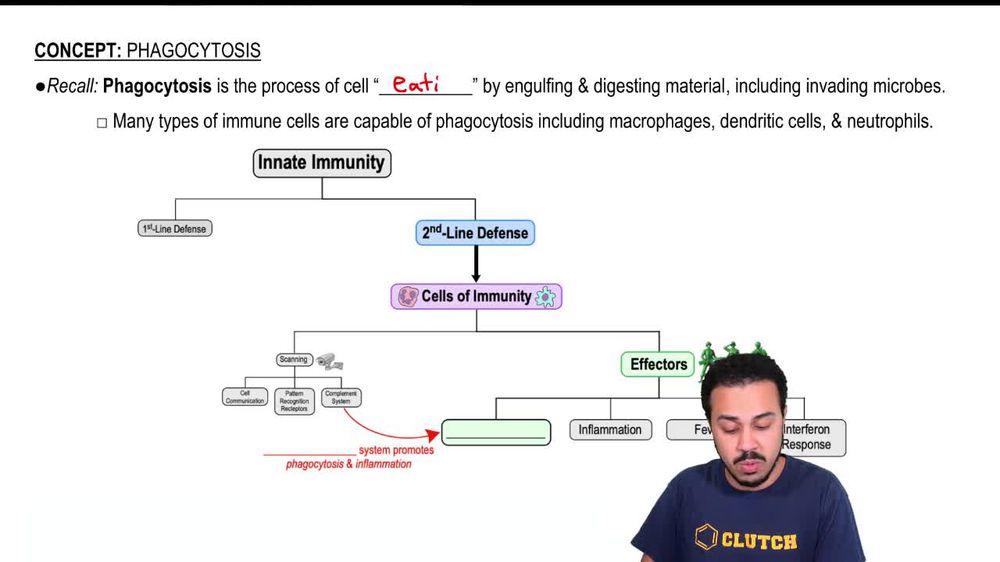
Phagocytosis is a process where immune cells engulf and destroy pathogens. Capsules interfere with this process by masking bacterial surface antigens, making it harder for immune cells to recognize and ingest the bacteria, thus aiding bacterial survival.
Antibodies bind to bacterial antigens to mark them for destruction. Capsules can inhibit antibody binding or complement activation, reducing the effectiveness of the immune response and allowing bacteria to persist in the host.