 Back
BackMicrobiology Chapter 4 Study Guide
 01:52
01:52
Terms in this set (15)
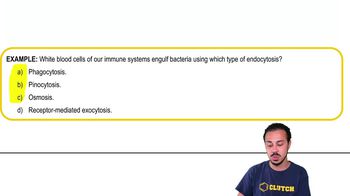
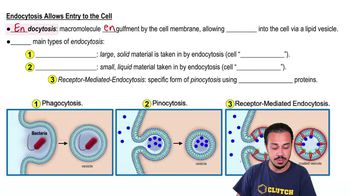
Endocytosis is the process where a cell engulfs material from its environment by enclosing it in a membrane vesicle.
Examples include phagocytosis (engulfing large particles) and pinocytosis (engulfing fluids and small molecules).
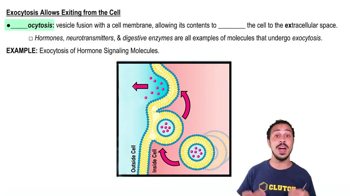
Exocytosis is the process where cells expel materials by vesicles fusing with the plasma membrane and releasing contents outside.
Phagocytosis is a type of endocytosis where cells engulf large particles or microorganisms to destroy or digest them.
A helminth is a parasitic worm, including roundworms and flatworms, that can infect humans and animals.
Examples include Ascaris lumbricoides, hookworms, and pinworms.
Examples include tapeworms and flukes.
Mycosis is a fungal infection; mycoses is the plural, referring to multiple fungal infections.
A dermatophyte is a fungus that infects skin, hair, and nails causing superficial infections.
Dermatophyte infections occur on skin, hair, and nails, often causing ringworm or athlete's foot.
Mycotoxins are toxic compounds produced by certain fungi that can cause illness in humans and animals.
Symptoms include neurological damage, immune suppression, and organ failure depending on the toxin.
Protists typically exist in aquatic environments or moist terrestrial habitats.
Yes, some protists are pathogenic and cause diseases like malaria and amoebic dysentery.
1) Protozoa
2) Algae
3) Slime molds and water molds