 Back
BackMicrobiology: Microbial Genetics and Molecular Biology
 01:44
01:44
Terms in this set (17)
Differences between prokaryotic and eukaryotic genomes
Prokaryotic genomes are usually a single circular chromosome without histones, while eukaryotic genomes have multiple linear chromosomes with histones.
Prokaryotic chromosomal DNA is circular and located in the nucleoid; eukaryotic chromosomal DNA is linear and enclosed within a nucleus.
Plasmids carry additional genes that can provide advantages like antibiotic resistance and can replicate independently of chromosomal DNA.
Prokaryotes have a single origin of replication on circular DNA; eukaryotes have multiple origins on linear chromosomes, affecting replication speed and complexity.
Information flows from DNA to RNA to protein through transcription and translation.
Transcription initiation involves RNA polymerase binding to the promoter; translation initiation involves ribosome assembly at the start codon on mRNA.
During transcription, RNA polymerase synthesizes RNA; during translation, ribosomes add amino acids to the growing polypeptide chain.
Transcription ends at terminator sequences; translation ends at stop codons causing release of the polypeptide.
Multiple codons can code for the same amino acid, which helps reduce the impact of mutations on protein function.
The lac operon regulates lactose metabolism genes, allowing bacteria to use lactose when glucose is absent.
The trp operon controls tryptophan synthesis genes and is repressed when tryptophan is abundant.
Mutations can be caused by errors in replication or mutagens and may alter protein function or regulation.
Recombination repairs damaged DNA and is used in genetic engineering to insert or modify genes.
Vertical gene transfer is the transmission of genetic material from parent to offspring.
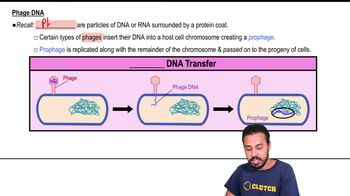
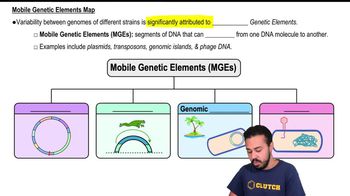
Horizontal gene transfer involves gene exchange between organisms, increasing diversity without reproduction.
Microorganisms can acquire new DNA through transformation, transduction, or conjugation without sexual reproduction.
Motility can be assessed using microscopy to observe movement or specialized media like motility agar.