
Ch. 10 - Controlling Microbial Growth in the Body: Antimicrobial Drugs
Bauman - Microbiology with Diseases by Taxonomy 6th Edition
Bauman6th EditionMicrobiology with Diseases by TaxonomyISBN: 9780134832302Not the one you use?Change textbook
Chapter 10, Problem 1

What characteristics would an ideal chemotherapeutic agent have? Which drug has these qualities?

Verified step by step guidance
1
Step 1: Understand that an ideal chemotherapeutic agent is a drug used to treat infectious diseases by targeting the pathogen without harming the host.
Step 2: Identify the key characteristics of an ideal chemotherapeutic agent, which typically include selective toxicity (kills or inhibits the pathogen but not the host), broad-spectrum activity, stability in the body, minimal side effects, and the ability to reach the site of infection effectively.
Step 3: Recognize that selective toxicity is the most important feature, meaning the drug targets structures or metabolic pathways unique to the microorganism, such as bacterial cell walls or specific enzymes.
Step 4: Consider examples of drugs that closely match these ideal characteristics, such as penicillin, which targets bacterial cell wall synthesis—a feature absent in human cells—making it selectively toxic and effective.
Step 5: Summarize that while no drug is perfect, penicillin is often cited as a classic example of an ideal chemotherapeutic agent due to its selective toxicity, efficacy, and relatively low side effects.

Verified video answer for a similar problem:

This video solution was recommended by our tutors as helpful for the problem above.
Video duration:
2m
Was this helpful?

Key Concepts

Here are the essential concepts you must grasp in order to answer the question correctly.

Characteristics of an Ideal Chemotherapeutic Agent

An ideal chemotherapeutic agent selectively targets pathogenic microorganisms without harming the host, has a broad spectrum of activity, is stable and non-toxic, easily administered, and does not induce resistance. It should effectively eliminate the pathogen while minimizing side effects.
Recommended video:
Guided course
05:09
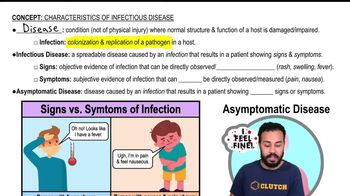
Intro to Characteristics of Infectious Disease

Selective Toxicity

Selective toxicity refers to the drug's ability to target microbial cells specifically without damaging host cells. This principle is crucial for effective treatment, ensuring that the drug inhibits or kills pathogens while sparing human tissues, reducing adverse effects.
Recommended video:
Guided course
03:27
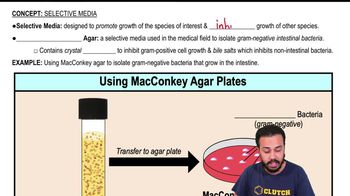
Selective Media

Examples of Chemotherapeutic Agents with Ideal Qualities

Drugs like penicillin exemplify many ideal qualities: they target bacterial cell walls absent in humans, have low toxicity, and are effective against a broad range of bacteria. However, no drug is perfect, and the choice depends on the infection and pathogen involved.
Recommended video:
Guided course
04:14
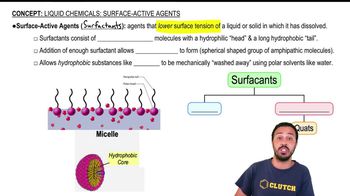
Liquid Chemicals: Surface-Active Agents