Ch. 22 - Pathogenic Fungi
Bauman - Microbiology with Diseases by Taxonomy 6th Edition
Bauman6th EditionMicrobiology with Diseases by TaxonomyISBN: 9780134832302Not the one you use?Change textbook
Chapter 22, Problem 1

Match each of the following diseases with the manner(s) in which fungi enter the body. Answers can be used more than once.


1. ___ Aspergillosis
2. ___Candidiasis
3. ___Chromoblastomycosis
4. ___ Coccidioidomycosis
5. ___ Cryptococcosis
6. ___Dermatophytosis
7. ___ Histoplasmosis
8. ___ Hypersensitivity reactions
9. ___ Mushroom poisoning
10. ___ Mycetoma
11. ___ Sporotrichosis


A. Inhalation
B. Contact
C. Trauma
D. Ingestion  

Verified step by step guidance
1
Step 1: Understand the four modes of fungal entry into the body: Inhalation (A), Contact (B), Trauma (C), and Ingestion (D). Each disease is associated with one or more of these modes based on how the fungus typically infects humans.
Step 2: For diseases like Aspergillosis, Coccidioidomycosis, Cryptococcosis, and Histoplasmosis, recognize that these fungi primarily enter the body through inhalation of spores from the environment. So, match these diseases with option A.
Step 3: For diseases such as Candidiasis and Dermatophytosis, which often involve skin or mucous membranes, consider contact transmission as the main route. Match these with option B.
Step 4: Diseases like Chromoblastomycosis, Mycetoma, and Sporotrichosis typically result from fungi entering through breaks in the skin caused by trauma. Therefore, match these with option C.
Step 5: For Mushroom poisoning, the route of entry is ingestion of toxic mushrooms, so match this disease with option D. Hypersensitivity reactions are immune responses to fungal antigens, often related to inhalation, so match with option A.

Verified video answer for a similar problem:

This video solution was recommended by our tutors as helpful for the problem above.
Video duration:
2m
Was this helpful?

Key Concepts

Here are the essential concepts you must grasp in order to answer the question correctly.

Modes of Fungal Entry

Fungi can enter the human body through various routes including inhalation of spores, direct contact with skin or mucous membranes, traumatic implantation via wounds, and ingestion of contaminated substances. Understanding these entry modes is essential to link specific fungal diseases to their typical infection pathways.
Recommended video:
Guided course
02:29
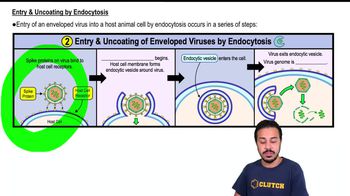
Entry & Uncoating by Endocytosis

Pathogenesis of Fungal Diseases

Each fungal disease has a characteristic pathogenesis influenced by the mode of entry and the fungal species involved. For example, inhaled spores often cause systemic or pulmonary infections, while trauma-related entry leads to localized cutaneous or subcutaneous infections. Recognizing these patterns helps in matching diseases to their entry routes.
Recommended video:
Guided course
02:35
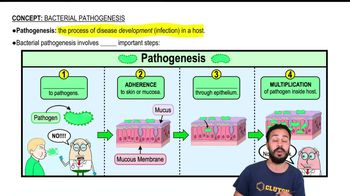
Intro to Bacterial Pathogenesis

Clinical Manifestations and Disease Classification

Fungal diseases vary widely in clinical presentation, from superficial infections like dermatophytosis to systemic illnesses like histoplasmosis. Some conditions, such as hypersensitivity reactions or mushroom poisoning, involve immune responses or toxin ingestion rather than direct fungal invasion. Differentiating these helps in correctly associating diseases with their modes of entry.
Recommended video:
Guided course
04:57
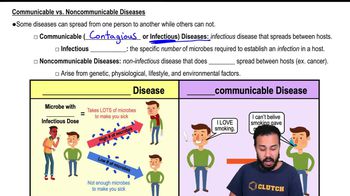
Communicable vs. Noncommunicable Diseases