Ch. 23 - Parasitic Protozoa, Helminths, and Arthropod Vectors
Bauman - Microbiology with Diseases by Taxonomy 6th Edition
Bauman6th EditionMicrobiology with Diseases by TaxonomyISBN: 9780134832302Not the one you use?Change textbook
Chapter 23, Problem 4

Mark each statement as true or false. Rewrite the false statements to make them true by changing the underlined word(s).


__________ Trypanosoma brucei is transmitted by tsetse flies, and Trypanosoma cruzi is transmitted by kissing bugs.

Verified step by step guidance
1
Identify the key information in the statement: it mentions the transmission vectors of two parasites, Trypanosoma brucei and Trypanosoma cruzi.
Recall that Trypanosoma brucei is the causative agent of African sleeping sickness and is transmitted by tsetse flies (genus Glossina). This part of the statement is true.
Recall that Trypanosoma cruzi causes Chagas disease and is transmitted by triatomine bugs, commonly known as kissing bugs. This part of the statement is also true.
Since both parts of the statement are correct, mark the entire statement as true without any changes.
If any part had been false, you would rewrite the statement by replacing the incorrect vector with the correct one, ensuring the transmission method matches the parasite.

Verified video answer for a similar problem:

This video solution was recommended by our tutors as helpful for the problem above.
Video duration:
1m
Was this helpful?

Key Concepts

Here are the essential concepts you must grasp in order to answer the question correctly.

Trypanosoma Species and Their Diseases

Trypanosoma brucei causes African sleeping sickness and is transmitted by tsetse flies, while Trypanosoma cruzi causes Chagas disease and is transmitted by triatomine bugs, commonly known as kissing bugs. Understanding the specific vectors and diseases associated with each species is essential for accurate identification.
Recommended video:
Guided course
04:57
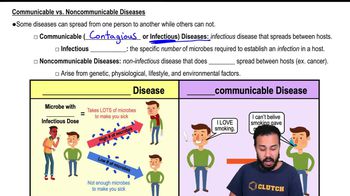
Communicable vs. Noncommunicable Diseases

Vector-Borne Transmission

Vector-borne transmission involves the spread of pathogens through living organisms, such as insects, that carry the infectious agent from one host to another. Recognizing the role of vectors like tsetse flies and kissing bugs helps explain how Trypanosoma species infect humans.
Recommended video:
Guided course
04:23
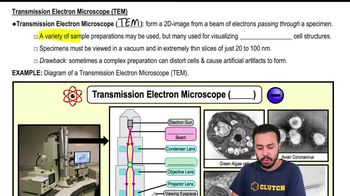
Transmission Electron Microscope (TEM)

True/False Statement Correction in Microbiology

When correcting false statements, it is important to identify the inaccurate terms and replace them with correct scientific facts. This skill ensures precise communication of microbiological concepts, such as correctly matching pathogens with their vectors.
Recommended video:
Guided course
07:27
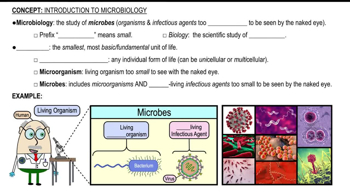
Introduction to Microbiology