
Ch. 25 - Microbial Diseases of the Digestive System
Tortora - Microbiology: An Introduction 14th Edition
Tortora14th EditionMicrobiology: An IntroductionISBN: 9780138200398Not the one you use?Change textbook
Chapter 25, Problem 7

Differentiate among the following factors of bacterial intoxication and bacterial infection: prerequisite conditions, causative agents, onset, duration of symptoms, and treatment.

Verified step by step guidance
1
Step 1: Define bacterial intoxication and bacterial infection clearly. Bacterial intoxication occurs when toxins produced by bacteria cause disease symptoms, whereas bacterial infection involves the actual invasion and multiplication of bacteria within the host tissues.
Step 2: Compare prerequisite conditions. For bacterial intoxication, ingestion of preformed toxins (e.g., in contaminated food) is necessary, while bacterial infection requires exposure to live bacteria capable of colonizing and multiplying in the host.
Step 3: Identify causative agents. In bacterial intoxication, the primary agents are bacterial toxins (such as exotoxins), whereas in bacterial infection, the causative agents are the live bacteria themselves (e.g., Salmonella, Staphylococcus aureus).
Step 4: Differentiate onset and duration of symptoms. Bacterial intoxication typically has a rapid onset of symptoms (often within hours) because toxins act quickly, and symptoms may be short-lived. Bacterial infection usually has a slower onset (days) as bacteria multiply, and symptoms may last longer due to ongoing infection.
Step 5: Discuss treatment approaches. Treatment of bacterial intoxication often focuses on supportive care and sometimes antitoxins, since antibiotics do not neutralize toxins. In contrast, bacterial infections are treated with appropriate antibiotics to eliminate the bacteria causing the disease.

Verified video answer for a similar problem:

This video solution was recommended by our tutors as helpful for the problem above.
Video duration:
1m
Was this helpful?

Key Concepts

Here are the essential concepts you must grasp in order to answer the question correctly.

Bacterial Intoxication vs. Bacterial Infection

Bacterial intoxication occurs when toxins produced by bacteria are ingested, causing symptoms without bacterial growth in the host. In contrast, bacterial infection involves the invasion and multiplication of bacteria within the host, leading to disease. Understanding this distinction is key to differentiating their clinical presentations and treatments.
Recommended video:
Guided course
03:06
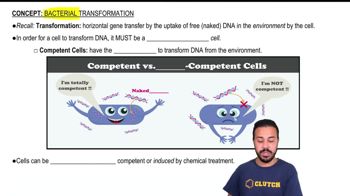
Bacterial Transformation

Onset and Duration of Symptoms

In bacterial intoxication, symptoms typically appear rapidly, often within hours, because toxins act quickly. Symptoms usually have a short duration. In bacterial infections, symptom onset is slower as bacteria multiply, and symptoms may last longer due to ongoing infection and immune response.
Recommended video:
Guided course
02:59
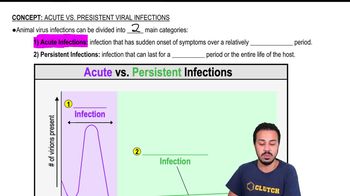
Acute vs. Persistent Viral Infections

Treatment Approaches and Prerequisite Conditions

Treatment of intoxications focuses on managing symptoms and removing toxins, often without antibiotics, since bacteria may not be present. Infections require antibiotics to eliminate bacteria. Prerequisite conditions differ: intoxication needs ingestion of preformed toxins, while infection requires bacterial entry and colonization in the host.
Recommended video:
Guided course
07:45
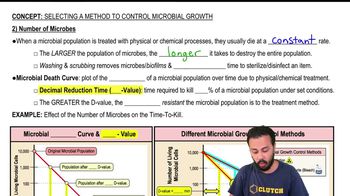
Number of Microbes