Back

Nutrition: Dietary Fats and Heart Health

Control buttons has been changed to "navigation" mode.
1/9

  • Maximum recommended percentage of diet from saturated fat


    Saturated fat should make up less than 10% of total daily calories to promote heart health.
  • Fats to limit for heart health


    Limit saturated fats and trans fats to reduce risk of heart disease.
  • Essential fatty acids


    Essential fatty acids include omega-3 and omega-6 fats, found in fish, flaxseeds, walnuts, and vegetable oils.
  • Major contributors to trans fat intake in the US


    Processed foods, baked goods, and fried foods are major sources of trans fats in the US diet.
  • Why are trans fats unhealthy?


    Trans fats raise LDL cholesterol and lower HDL cholesterol, increasing heart disease risk.
  • Storage form of fat in the body


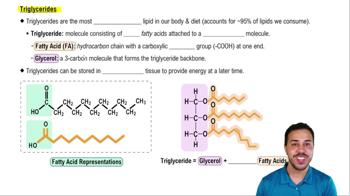
    Fat is stored primarily as triglycerides in adipose tissue.
  • Primary site of fat digestion


    Most fat digestion occurs in the small intestine.
  • Cholesterol forms linked to heart disease risk


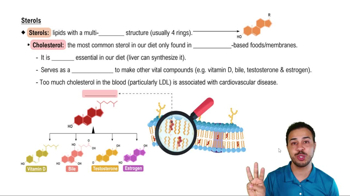
    High LDL cholesterol increases heart disease risk; high HDL cholesterol is protective.
  • Cholesterol levels to maintain for heart health


    Keep LDL cholesterol low and HDL cholesterol high to reduce heart disease risk.