Start by identifying the molecular structure of but-2-yne. It is a four-carbon alkyne with a triple bond between the second and third carbon atoms. The molecular formula is C4H6.
Determine the hybridization of each carbon atom. The two carbons involved in the triple bond (C2 and C3) are sp-hybridized, while the terminal carbons (C1 and C4) are sp3-hybridized.
Construct the molecular orbitals for the triple bond. The sp-hybridized carbons (C2 and C3) each have one sp orbital forming a sigma (σ) bond and two unhybridized p orbitals forming two pi (π) bonds. Represent these orbitals in the molecular orbital diagram.
Include the sigma bonds between C1-C2 and C3-C4. These are formed by the overlap of sp3 orbitals from the terminal carbons (C1 and C4) with the sp orbitals of C2 and C3, respectively.
Finally, add the hydrogen atoms. Each hydrogen atom forms a sigma bond with the sp3 orbitals of the terminal carbons (C1 and C4). Ensure the molecular orbital diagram reflects all bonding and antibonding interactions accurately.
Verified video answer for a similar problem:
This video solution was recommended by our tutors as helpful for the problem above
Video duration:
5m
Play a video:
0 Comments
Key Concepts
Here are the essential concepts you must grasp in order to answer the question correctly.
Molecular Orbitals
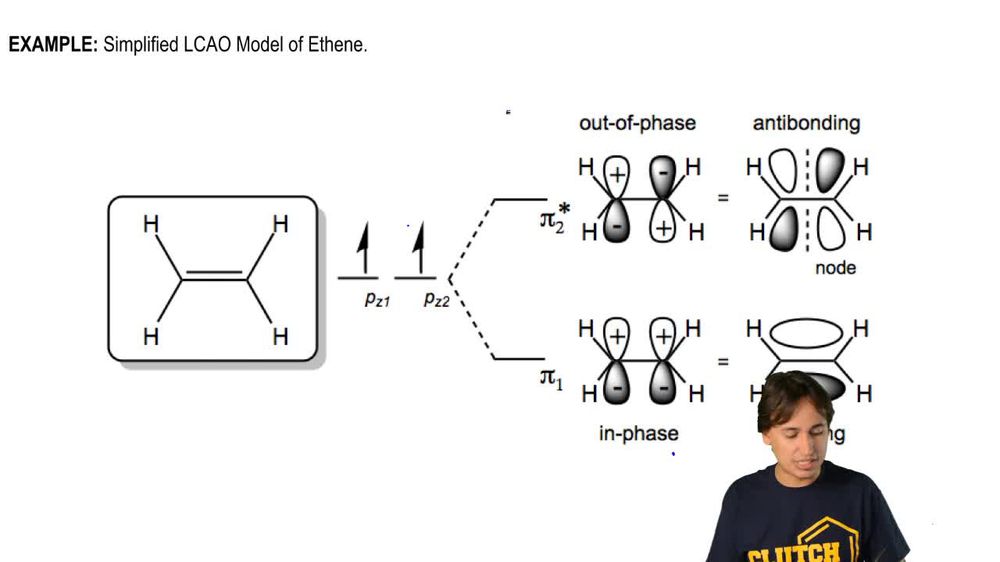
Molecular orbitals (MOs) are formed by the combination of atomic orbitals when atoms bond together. In but-2-yne, the overlap of atomic orbitals leads to the formation of bonding and antibonding molecular orbitals, which help determine the stability and reactivity of the molecule. Understanding MOs is crucial for visualizing electron distribution and predicting molecular behavior.
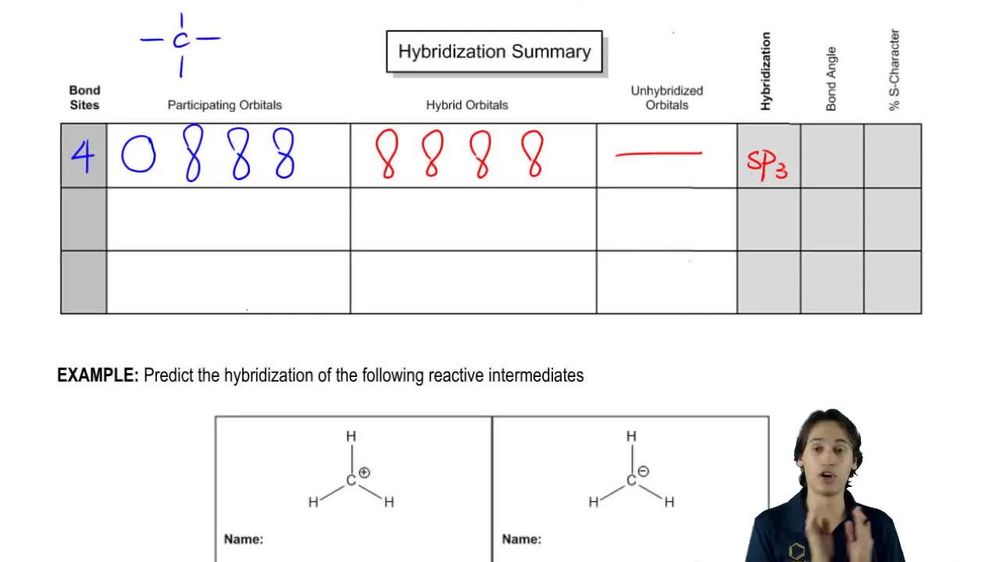
Hybridization is the process by which atomic orbitals mix to form new hybrid orbitals that are suitable for the pairing of electrons to form chemical bonds. In but-2-yne, the carbon atoms undergo sp hybridization, resulting in linear geometry around the triple bond. This concept is essential for understanding the bonding and geometry of the molecule.
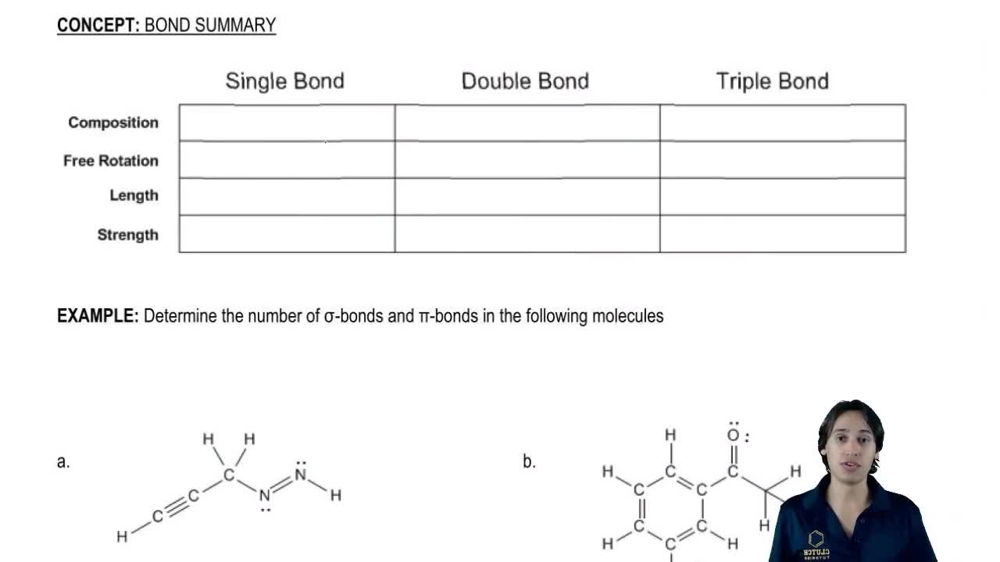
A triple bond consists of one sigma bond and two pi bonds formed between two atoms, resulting in a strong and stable connection. In but-2-yne, the presence of a triple bond between the two central carbon atoms significantly influences the molecule's properties, including its reactivity and physical characteristics. Recognizing the nature of triple bonds is vital for accurately drawing and interpreting the molecular structure.

 5:33 minutes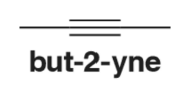
 Verified step by step guidance
 08:41
08:41