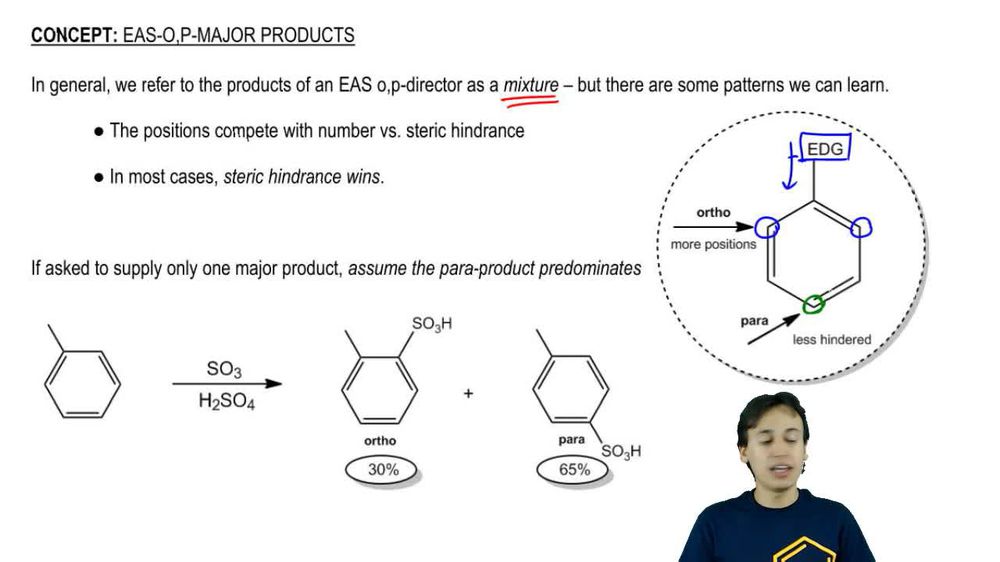
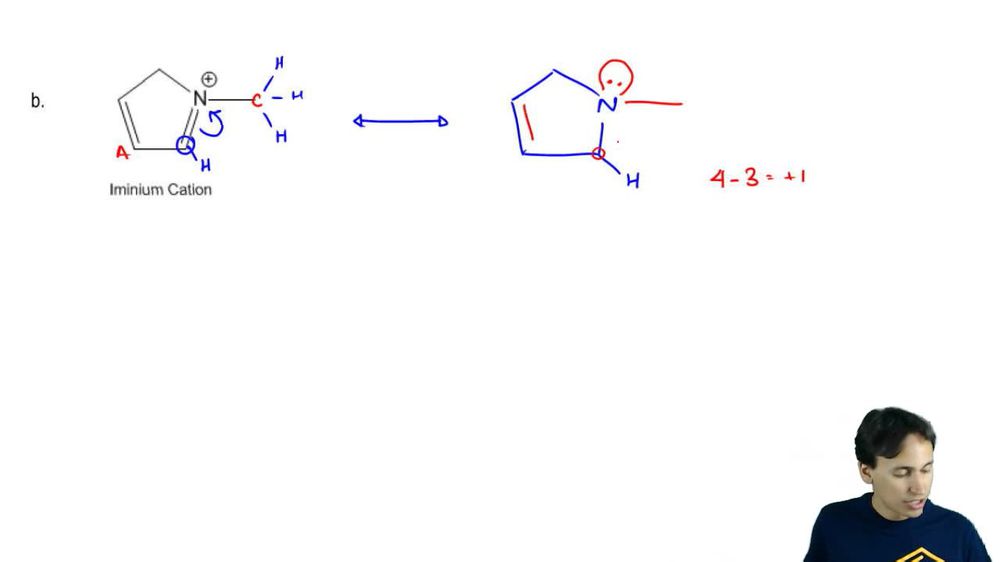
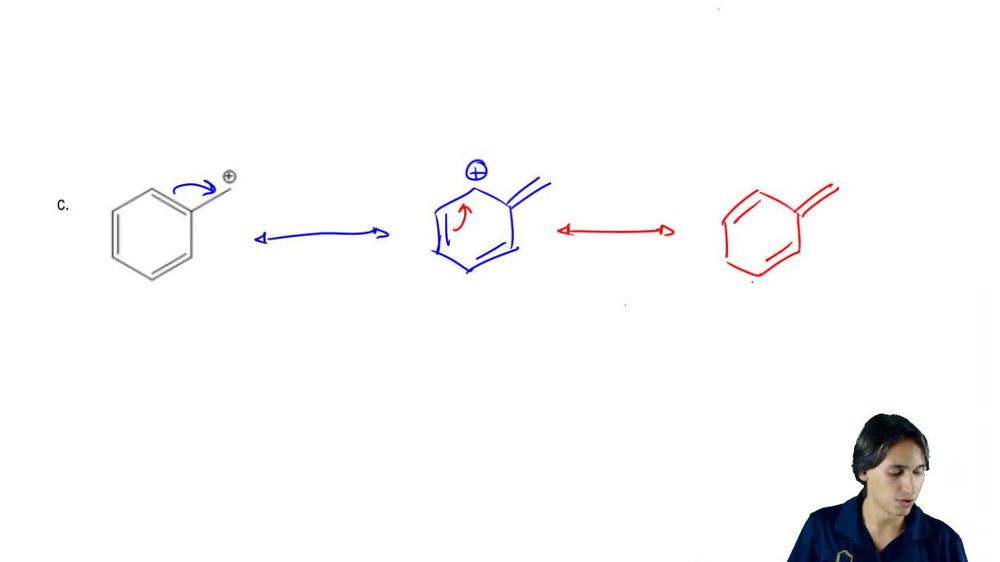
a. Draw resonance contributors for the following species. Do not include structures that are so unstable that their contributions to the resonance hybrid would be negligible. Indicate which are major contributors and which are minor contributors to the resonance hybrid. b. Do any of the species have resonance contributors that all contribute equally to the resonance hybrid? 8.
Verified step by step guidance
1
Step 1: Begin by identifying the species in question and determine if it has delocalized electrons, such as π-electrons or lone pairs, that can participate in resonance. Resonance contributors arise from the movement of these electrons within the molecule.
Step 2: Draw the Lewis structure of the species, ensuring all atoms have the correct number of bonds and formal charges. Highlight areas where resonance might occur, such as conjugated π-systems or lone pairs adjacent to π-bonds.
Step 3: Generate resonance contributors by moving electrons in a way that preserves the octet rule (where applicable) and minimizes formal charges. Use curved arrows to show the movement of electrons. Ensure that the connectivity of atoms remains unchanged.
Step 4: Evaluate the stability of each resonance contributor. Major contributors typically have full octets on all atoms, minimal formal charges, and place negative charges on more electronegative atoms. Minor contributors may have incomplete octets, higher formal charges, or less favorable charge distributions.
Step 5: For part b, analyze whether all resonance contributors are equally stable. If all contributors have identical stability (e.g., symmetrical structures with equivalent charge distributions), they will contribute equally to the resonance hybrid. Otherwise, contributors with higher stability will dominate.
Verified video answer for a similar problem:
This video solution was recommended by our tutors as helpful for the problem above
Video duration:
6m
Play a video:
0 Comments
Key Concepts
Here are the essential concepts you must grasp in order to answer the question correctly.
Resonance Structures
Resonance structures are different Lewis structures for the same molecule that depict the same arrangement of atoms but differ in the placement of electrons. These structures help illustrate the delocalization of electrons within a molecule, which contributes to its stability. The actual structure of the molecule is a resonance hybrid, a weighted average of all valid resonance forms, where more stable forms contribute more to the hybrid.
In resonance theory, major contributors are resonance structures that are more stable and thus have a greater influence on the resonance hybrid. Factors such as the octet rule, formal charges, and electronegativity determine the stability of these structures. Minor contributors, while still valid, are less stable and contribute less to the overall resonance hybrid, often due to unfavorable charge distributions or incomplete octets.
Some molecules may have resonance contributors that are equally stable, meaning they contribute equally to the resonance hybrid. This occurs when all structures satisfy the octet rule, have minimal formal charges, and maintain similar energy levels. Identifying such structures is crucial for understanding the overall electronic distribution in the molecule, as it indicates a high degree of resonance stabilization.

 6:26 minutes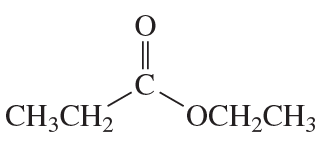
 Verified step by step guidance
 03:04
03:04