For each horizontal row of substituted benzenes, indicate c. the one that yields the highest percentage of meta product in an electrophilic aromatic substitution reaction. 3.
Verified step by step guidance
1
Step 1: Analyze the substituents attached to the benzene ring in each structure. The substituents are -OCH2CH3, -CH2OCH3, and -COCH3. These groups influence the regioselectivity of electrophilic aromatic substitution reactions.
Step 2: Determine the electronic effects of each substituent. Substituents can be electron-donating or electron-withdrawing. Electron-donating groups typically direct substitution to the ortho and para positions, while electron-withdrawing groups favor substitution at the meta position.
Step 3: Evaluate the substituents: -OCH2CH3 and -CH2OCH3 are electron-donating groups due to the presence of oxygen atoms with lone pairs that can donate electron density to the benzene ring. In contrast, -COCH3 is an electron-withdrawing group because the carbonyl group pulls electron density away from the ring.
Step 4: Identify the substituent that favors meta substitution. Since -COCH3 is an electron-withdrawing group, it will direct electrophilic substitution to the meta position, yielding the highest percentage of meta product.
Step 5: Conclude that among the given substituted benzenes, the compound with the -COCH3 substituent will yield the highest percentage of meta product in an electrophilic aromatic substitution reaction.
Verified video answer for a similar problem:
This video solution was recommended by our tutors as helpful for the problem above
Video duration:
4m
Play a video:
0 Comments
Key Concepts
Here are the essential concepts you must grasp in order to answer the question correctly.
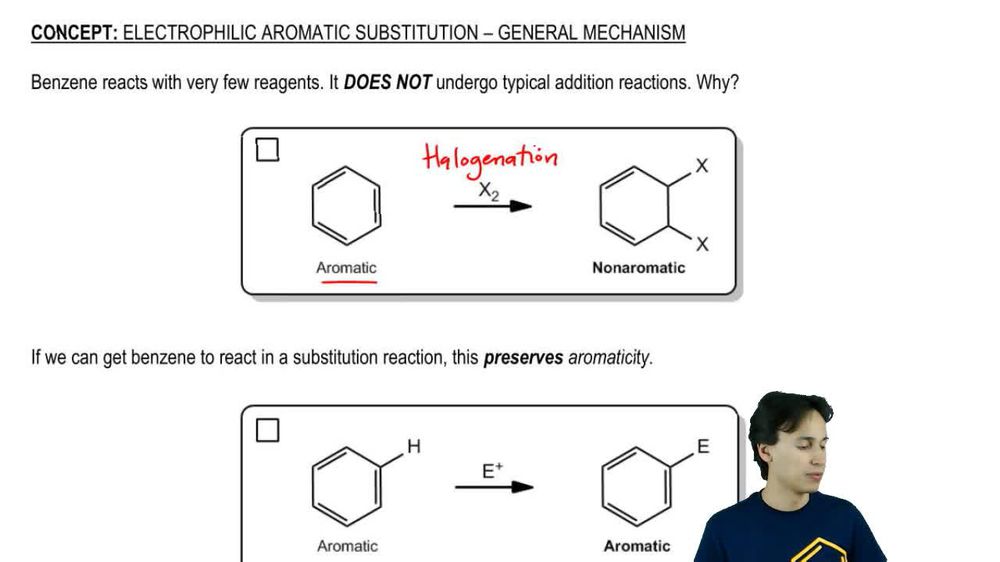
Electrophilic Aromatic Substitution (EAS)
Electrophilic Aromatic Substitution is a fundamental reaction in organic chemistry where an electrophile replaces a hydrogen atom on an aromatic ring. This reaction is crucial for synthesizing various aromatic compounds. The position of substitution (ortho, meta, or para) depends on the nature of the substituents already present on the ring, which can either activate or deactivate the ring towards further substitution.
Substituent effects refer to how different groups attached to the benzene ring influence the reactivity and orientation of electrophilic aromatic substitution. Activating groups, such as -OH or -NH2, direct substitution to the ortho and para positions, while deactivating groups, like -NO2 or -CF3, favor meta substitution. Understanding these effects is essential for predicting the outcome of EAS reactions.
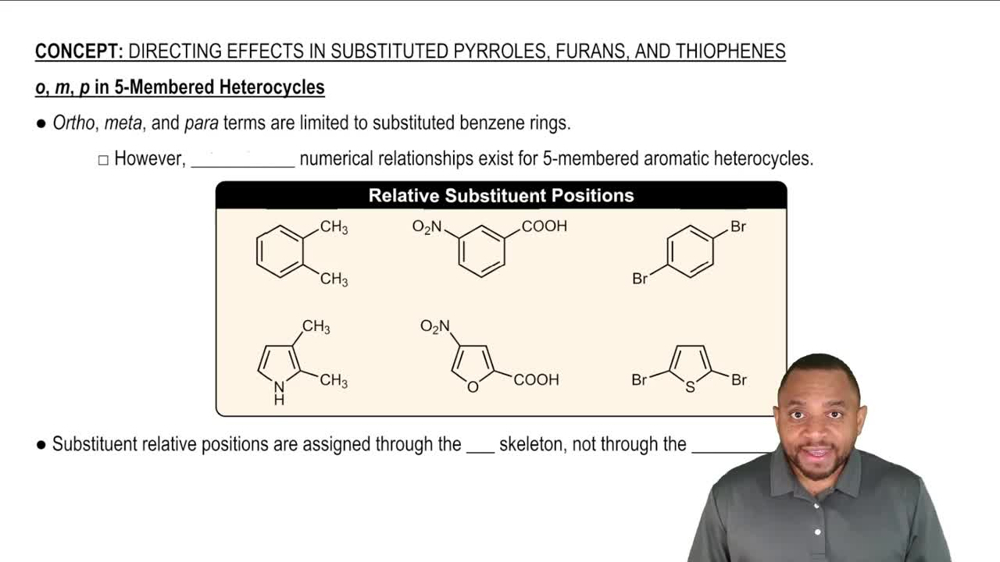
Directing Effects in Substituted Pyrroles, Furans, and Thiophenes Concept 1
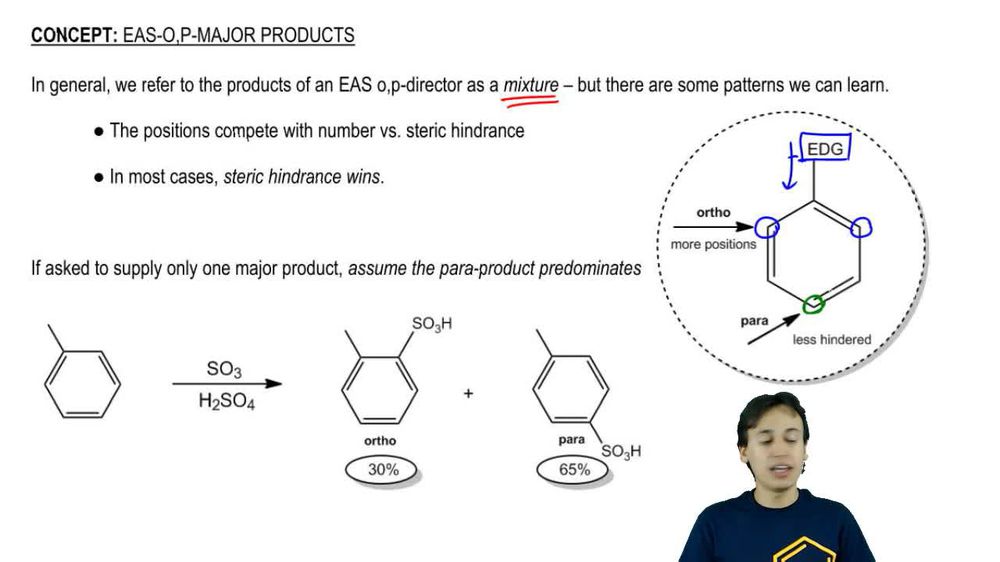
Meta vs. Ortho/Para Products
In electrophilic aromatic substitution, the orientation of the substituent can lead to different product distributions. Meta products are formed when the electrophile attacks the carbon atom adjacent to the substituent, while ortho and para products are formed when the electrophile attacks the carbons directly next to or opposite the substituent. The relative stability and reactivity of these positions are influenced by the electronic effects of the substituents.

 4:13 minutes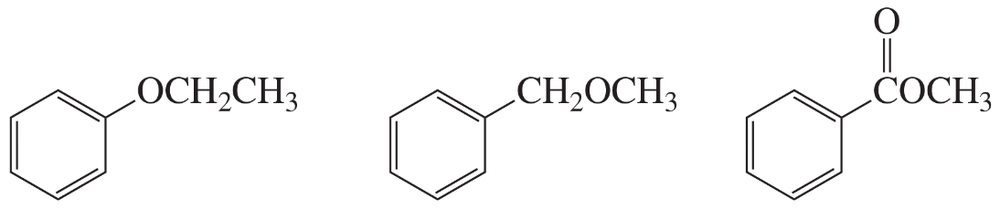
 Verified step by step guidance
 03:07
03:07