Pearson+ LogoPearson+ Logo

Understanding Addiction quiz #1 Flashcards

Back
Understanding Addiction quiz #1
Control buttons has been changed to "navigation" mode.
1/10
  • What is the disease called in which a person needs alcohol to function, and what are its key characteristics?

    Alcohol addiction, also known as alcohol use disorder, is a disease characterized by compulsive alcohol use despite negative consequences. It involves physiological dependence, marked by tolerance (needing more alcohol to achieve the same effect) and withdrawal symptoms when not drinking, as well as psychological factors such as poor coping skills and trauma.
  • What types of substances are discussed as contributors to addiction in the lesson videos?

    The lesson discusses both legal and illegal psychoactive drugs, as well as botanical substances like herbal supplements. All of these can alter brain chemistry and contribute to addiction.
  • How do psychoactive drugs affect the brain to contribute to addiction?

    Psychoactive drugs change brain chemistry, altering perceptions, consciousness, and mood. This rewiring of the brain can lead to compulsive behaviors associated with addiction.
  • What are some examples of behaviors, aside from substance use, that can become addictive?

    Behaviors such as gambling, shopping, and playing video games can become addictive. These activities can disrupt the brain's reward and motivation systems similar to substances.
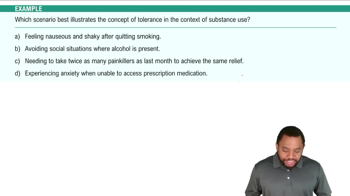
  • What is the difference between tolerance and withdrawal in the context of addiction?

    Tolerance is when larger amounts of a substance are needed to achieve the same effect. Withdrawal refers to unpleasant physical and psychological symptoms that occur when the substance is absent.
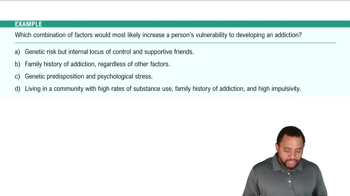
  • How can genetics influence a person's risk for developing an addiction?

    Some people may have genes that make them more responsive or susceptible to addictive substances. This genetic component can increase their risk of developing addiction.
  • What psychological factors can increase the likelihood of addiction according to the lesson?

    Poor coping skills and an external locus of control can increase susceptibility to addiction. Experiencing trauma is also a significant psychological risk factor.
  • How do environmental factors like family dynamics and peer influence contribute to addiction risk?

    Negative family dynamics or being around people who use substances can increase addiction risk. Easy access to substances and peer pressure also play a significant role.
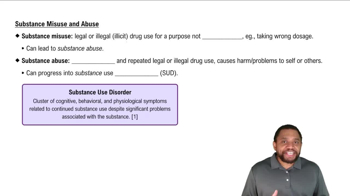
  • What is substance misuse and how can it progress to more severe problems?

    Substance misuse is using a legal or illegal drug for a purpose not intended, such as taking the wrong dosage. Continued misuse can lead to substance abuse and eventually substance use disorder.
  • What characterizes substance use disorder as described in the lesson?

    Substance use disorder is a cluster of cognitive, behavioral, and psychological symptoms related to continued substance use despite significant problems. It involves ongoing destructive behavior even in the face of negative consequences.