Cortisol is: a. A potent inhibitor of the inflammatory response. b. An important part of the stress response. c. Both a and b are correct. d. Neither a nor b is correct.
Verified step by step guidance
1
Step 1: Begin by understanding what cortisol is. Cortisol is a steroid hormone produced by the adrenal cortex, specifically in the zona fasciculata. It plays a key role in various physiological processes, including metabolism, immune response, and stress management.
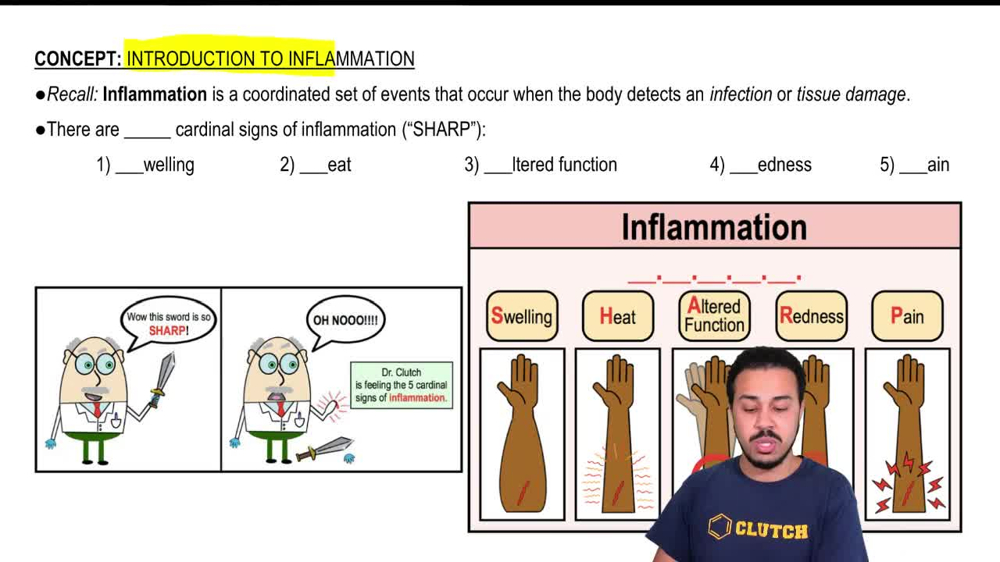
Step 2: Analyze the first option (a). Cortisol is known to suppress the inflammatory response by inhibiting the production of inflammatory mediators such as prostaglandins and cytokines. This makes it a potent inhibitor of inflammation.
Step 3: Evaluate the second option (b). Cortisol is a critical component of the body's stress response. During stress, cortisol levels increase to help mobilize energy, regulate blood pressure, and maintain homeostasis.
Step 4: Consider whether both options (a and b) are correct. Since cortisol is both an inhibitor of inflammation and an important part of the stress response, it supports the idea that both statements are accurate.
Step 5: Rule out the final option (d). Since both (a) and (b) are correct, the option stating 'Neither a nor b is correct' can be eliminated as incorrect.
Verified video answer for a similar problem:
This video solution was recommended by our tutors as helpful for the problem above
Play a video:
0 Comments
Key Concepts
Here are the essential concepts you must grasp in order to answer the question correctly.
Cortisol and Inflammation
Cortisol is a steroid hormone produced by the adrenal glands, primarily in response to stress. It plays a crucial role in regulating the body's inflammatory response by inhibiting the production of inflammatory mediators. This property makes it a potent anti-inflammatory agent, often utilized in medical treatments for conditions characterized by excessive inflammation.
Cortisol is a key component of the body's stress response system, often referred to as the 'fight or flight' response. When faced with stress, cortisol levels increase, leading to various physiological changes such as elevated blood sugar levels and enhanced metabolism. This response prepares the body to handle immediate challenges but can have negative effects if prolonged.
Cortisol serves a dual role in the body, acting both as an anti-inflammatory agent and as a critical hormone in the stress response. Understanding this duality is essential for comprehending its effects on health, as it can help explain why cortisol is involved in both the management of inflammation and the body's adaptation to stressors.