Which of the following is not an effect of aldosterone? a. Increased excretion of hydrogen ions from the fluid in the kidneys b. Increased retention of sodium ions from the fluid in the kidneys c. Increased retention of potassium ions from the fluid in the kidneys d. Increased retention of water from the fluid in the kidneys
Verified step by step guidance
1
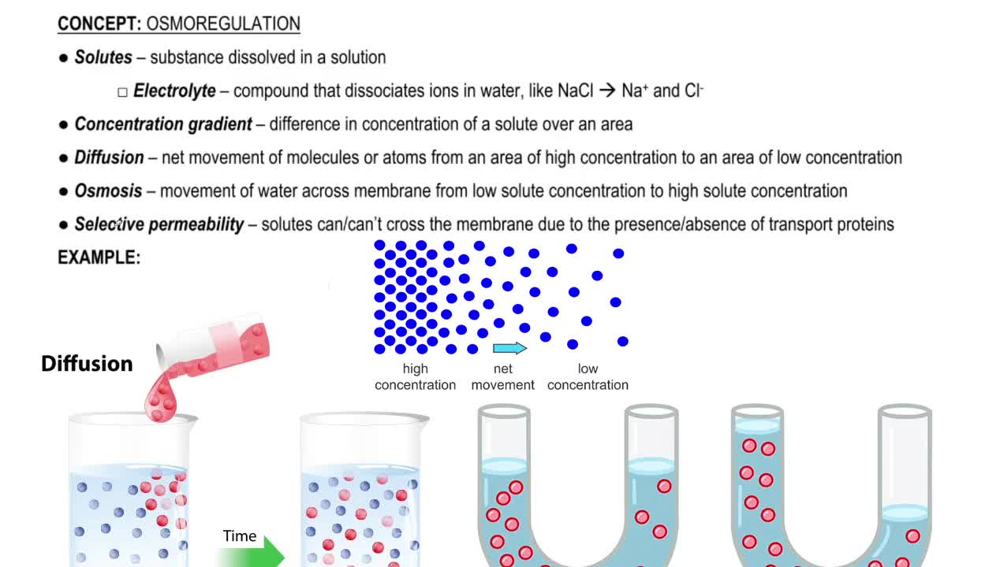
Understand the role of aldosterone: Aldosterone is a hormone produced by the adrenal glands that primarily regulates sodium and potassium balance in the body. It acts on the kidneys to increase sodium retention and potassium excretion, which indirectly leads to water retention due to osmotic effects.
Analyze each option: Review the physiological effects of aldosterone and compare them to the options provided. For example, aldosterone increases sodium retention (option b) and water retention (option d), but it promotes potassium excretion rather than retention (option c).
Consider hydrogen ion excretion: Aldosterone also plays a role in acid-base balance by increasing hydrogen ion excretion in the kidneys, which aligns with option a.
Eliminate incorrect options: Based on the known effects of aldosterone, identify which options accurately describe its actions and which do not. Specifically, focus on whether aldosterone increases retention or excretion of potassium ions.
Select the correct answer: Determine which option does not align with the physiological effects of aldosterone, ensuring your reasoning is based on its role in sodium, potassium, water, and hydrogen ion regulation.
Verified video answer for a similar problem:
This video solution was recommended by our tutors as helpful for the problem above
Play a video:
0 Comments
Key Concepts
Here are the essential concepts you must grasp in order to answer the question correctly.
Aldosterone Function
Aldosterone is a steroid hormone produced by the adrenal glands that plays a crucial role in regulating sodium and potassium levels in the body. It promotes sodium reabsorption in the kidneys, which leads to water retention, and facilitates the excretion of potassium. Understanding its primary functions is essential for analyzing its effects on electrolyte balance.
Electrolyte balance refers to the proper levels of ions such as sodium, potassium, and hydrogen in the body, which are vital for various physiological processes. Aldosterone directly influences this balance by promoting sodium retention and potassium excretion, impacting blood pressure and fluid balance. Recognizing how these electrolytes interact is key to understanding the effects of aldosterone.
The Renin-Angiotensin-Aldosterone System (RAAS) is a hormone system that regulates blood pressure and fluid balance. When blood pressure drops, renin is released, leading to the production of angiotensin II, which stimulates aldosterone secretion. This system's understanding is crucial for grasping how aldosterone functions within the broader context of cardiovascular and renal physiology.