 Back
BackAntioxidant Nutrients and Their Role in Human Physiology
Study Guide - Smart Notes
 Tailored notes based on your materials, expanded with key definitions, examples, and context.
Nutrients Important as Antioxidants
Generation of Free Radicals in the Body
Free radicals are highly reactive molecules with unpaired electrons, generated as natural byproducts of cellular metabolism. Their presence is a double-edged sword: while they play roles in immune defense and cellular signaling, their excess can damage cellular components.
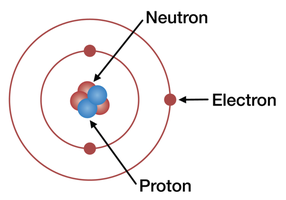
Atoms: The basic units of matter, consisting of a nucleus (protons and neutrons) and orbiting electrons. Atoms are most stable when electrons are paired.
Free Radicals: Atoms or molecules with unpaired electrons, making them highly reactive. Superoxide is a common reactive oxygen species (ROS) formed when an electron is transferred to an oxygen molecule.
Reactive Oxygen Species (ROS): Molecules containing oxygen with unpaired electrons, contributing to oxidative stress.

Oxidative Stress and Disease
Oxidative stress occurs when there is an imbalance between free radical production and the body's ability to detoxify them or repair the resulting damage. This imbalance can lead to cellular injury and is implicated in numerous diseases.
Consequences: Damage to lipids, proteins, RNA, and DNA.
Associated Diseases: Cancer, atherosclerosis, arthritis, diabetes, kidney disease, neurodegenerative disorders (Alzheimer’s, Parkinson’s), psychiatric disorders, cataracts, emphysema, and aging.
Exogenous Factors: Sunlight, ozone, smoke, heavy metals, radiation, and toxic chemicals can increase free radical production.

The Body’s Defense Against Free Radicals
Antioxidant Enzymes and Chemicals
The body employs several defense mechanisms to neutralize free radicals, including enzyme systems and antioxidant molecules.
Enzyme Systems:
Superoxide Dismutases (SOD)
Catalase
Glutathione Peroxidases
Antioxidant Chemicals:
Endogenous: Glutathione, uric acid
Dietary: Selenium, vitamins A, C, and E
Hydrophilic Antioxidants: Act in cytosol or extracellular fluids (e.g., vitamin C).
Hydrophobic Antioxidants: Protect cell membranes (e.g., vitamin E).
Antioxidant Micronutrients
Vitamin E
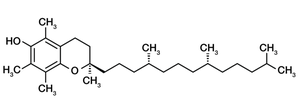
Vitamin E is a fat-soluble antioxidant, essential for protecting cell membranes from oxidative damage. It exists in eight forms, with alpha-tocopherol being the most biologically active.
Functions: Modifies protein function, supports immune system, enhances blood vessel dilation, inhibits blood clot formation.
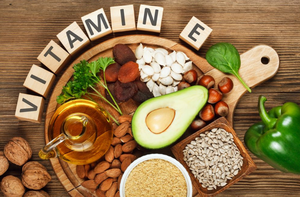
Dietary Sources: Nuts, oils, paprika, red chili pepper, oregano, basil, cumin, thyme.
Vitamin C
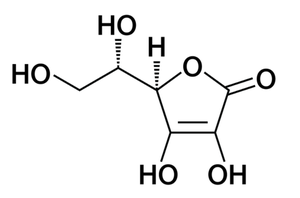
Vitamin C (ascorbic acid) is a water-soluble antioxidant that protects cells from oxidative damage and supports immune function.
Functions: Neutralizes free radicals, regenerates other antioxidants, supports collagen synthesis.
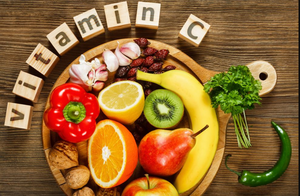
Dietary Sources: Citrus fruits, many vegetables.
Vitamin A
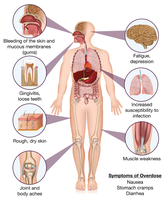
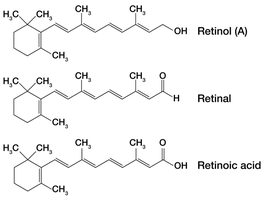
Vitamin A refers to a group of fat-soluble compounds (retinoids: retinol, retinal, retinoic acid) essential for vision, immune function, and cellular growth.
Functions: Maintains vision, immune system, skin, and tissue linings; regulates growth and development.
Dietary Sources: Animal-derived foods (preformed vitamin A), vibrantly colored fruits and vegetables (carotenoids).
Antioxidant Minerals
Several minerals act as cofactors for antioxidant enzymes, supporting the detoxification of free radicals.
Selenium: Detoxifies free radicals, protects endothelial cells, mediates immune responses. Deficiency or excess can cause health issues.
Manganese, Iron, Copper, Zinc: Essential in proper doses for antioxidant enzyme function; excess can promote oxidative stress.
Phytochemicals
Definition and Functions
Phytochemicals are plant-derived compounds that may affect health, often acting as antioxidants but also influencing hormone activity, cholesterol absorption, inflammation, and enzyme function.
Carotenoids: Plant pigments (e.g., alpha-carotene, beta-carotene, lycopene, lutein, zeaxanthin) associated with reduced risk of age-related macular degeneration and some cancers.
Flavonoids: Includes anthocyanidins, flavanols, isoflavones; effective free radical scavengers, linked to lower cardiovascular risk.
Organosulfur Compounds: Found in garlic, onions, leeks, cruciferous vegetables; may reduce cardiovascular and cancer risk.
Lignans: Present in grains, nuts, seeds, fruits, vegetables, flaxseed; potential health benefits.
Herbs, Spices, and Tea: Rich in diverse phytochemicals, associated with reduced risk of heart disease, diabetes, and some cancers.
The Whole Nutrient Package versus Disease
Dietary Patterns and Disease Prevention
Consuming a variety of antioxidant- and phytochemical-rich foods is associated with decreased risk of chronic diseases. No single supplement can replicate the benefits of a diverse, plant-based diet.
Synergistic Effects: The combination of nutrients and phytochemicals in whole foods provides additive and synergistic health benefits.
Dietary Recommendations: Emphasize fruits, vegetables, nuts, legumes, teas, and whole grains for optimal antioxidant intake.

Strategies to Improve Fruit and Vegetable Intake
Support policies and programs that increase access to high-quality produce.
Encourage community and home gardening, farmers’ markets, and local agriculture.
Promote healthy food environments in schools, workplaces, and public institutions.
Summary Table: Key Antioxidant Nutrients and Their Functions
Nutrient | Type | Main Functions | Dietary Sources |
|---|---|---|---|
Vitamin E | Fat-soluble vitamin | Protects cell membranes, immune support, blood vessel dilation | Nuts, oils, seeds, leafy greens |
Vitamin C | Water-soluble vitamin | Neutralizes free radicals, regenerates antioxidants, collagen synthesis | Citrus fruits, peppers, broccoli, strawberries |
Vitamin A | Fat-soluble vitamin | Vision, immune function, cell growth | Liver, dairy, carrots, sweet potatoes, spinach |
Selenium | Mineral | Detoxifies free radicals, immune support | Seafood, meats, Brazil nuts |
Phytochemicals | Plant compounds | Antioxidant, anti-inflammatory, hormone modulation | Fruits, vegetables, herbs, spices, tea |
Key Takeaways
Free radicals are natural byproducts of metabolism but can cause cellular damage if not controlled.
The body uses both endogenous and dietary antioxidants to neutralize free radicals.
Antioxidant-rich foods, not supplements, are associated with reduced risk of chronic diseases.
Phytochemicals provide additional health benefits beyond antioxidant activity.
A varied, plant-based diet is essential for optimal antioxidant and phytochemical intake.
