 Back
BackCells: The Living Units – Structure, Function, and Membrane Transport
Study Guide - Smart Notes
 Tailored notes based on your materials, expanded with key definitions, examples, and context.
Cells: The Living Units
Introduction to Cells
Cells are the fundamental structural and functional units of all living organisms. The human body contains trillions of cells, each specialized for particular functions. Understanding cell structure and function is essential for comprehending how the body operates at the microscopic level.
Cell Theory: All living things are composed of cells; the cell is the smallest unit of life; all cells arise from pre-existing cells.
Cell Diversity: Over 250 types of human cells exist, differing in size, shape, and function.
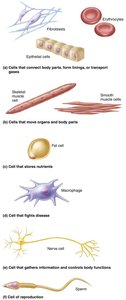
Generalized Cell Structure
Despite their diversity, most human cells share three basic structural components:
Plasma membrane: Flexible outer boundary that separates the cell from its environment.
Cytoplasm: Intracellular fluid containing organelles.
Nucleus: Control center containing DNA.
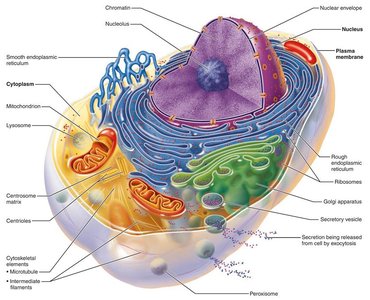
The Plasma Membrane
Structure and Function
The plasma membrane is a dynamic barrier that separates the intracellular fluid (ICF) from the extracellular fluid (ECF). It regulates the entry and exit of substances, thus maintaining cellular homeostasis.
Fluid Mosaic Model: The membrane is a bilayer of phospholipids with embedded proteins and cholesterol, allowing flexibility and selective permeability.
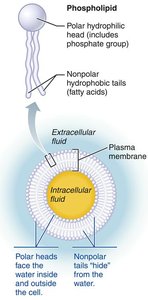
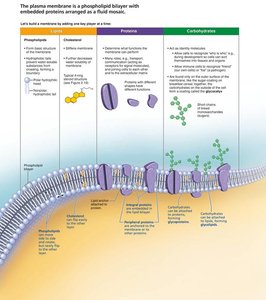
Membrane Lipids
Phospholipids: Form the basic structure; hydrophilic heads face water, hydrophobic tails face inward.
Cholesterol: Stabilizes membrane fluidity.
Membrane Proteins
Membrane proteins are crucial for communication, transport, and structural support. They are classified as:
Integral proteins: Span the membrane; function as channels, carriers, receptors, or enzymes.
Peripheral proteins: Loosely attached; function as enzymes, motor proteins, or for cell-to-cell connections.
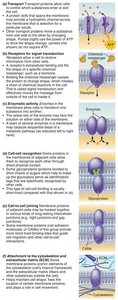
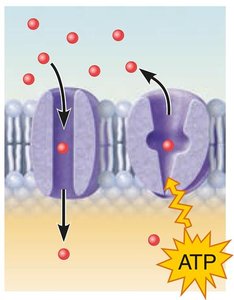
Transport: Channels and pumps move substances across the membrane.
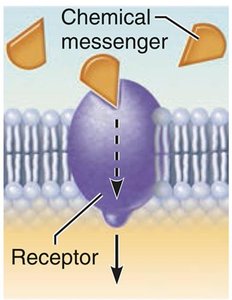
Receptors for signal transduction: Bind chemical messengers and initiate cellular responses.
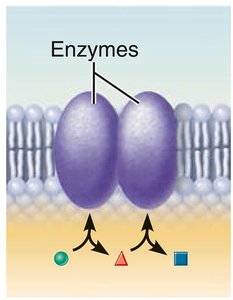
Enzymatic activity: Catalyze reactions at the membrane surface.
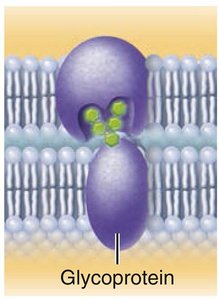
Cell-cell recognition: Glycoproteins serve as identification tags.
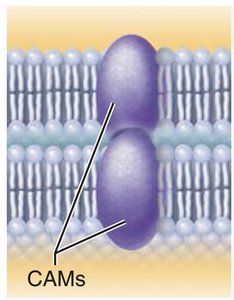
Cell-to-cell joining: CAMs (cell adhesion molecules) anchor cells together.
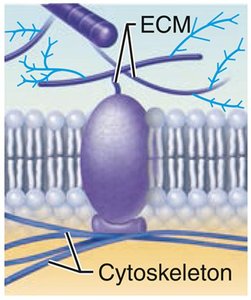
Attachment to cytoskeleton and ECM: Maintain cell shape and stabilize membrane proteins.
Glycocalyx
The glycocalyx is a carbohydrate-rich area on the cell surface, formed by glycoproteins and glycolipids. It serves as a biological marker for cell recognition and immune response.
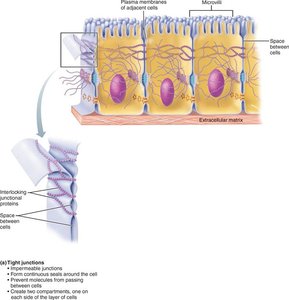
Cell Junctions
Specialized structures connect adjacent cells, allowing communication and cohesion:
Tight junctions: Form impermeable seals between cells.
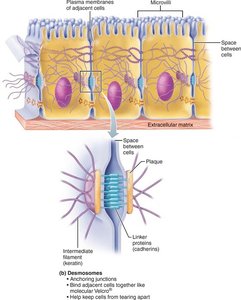
Desmosomes: Provide anchoring strength, preventing cells from tearing apart.
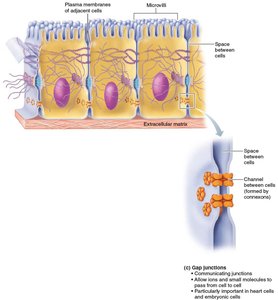
Gap junctions: Allow passage of ions and small molecules for communication.
Membrane Transport
Passive Transport
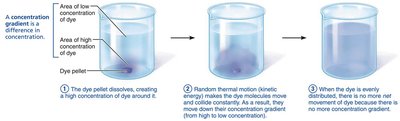
Passive transport moves substances across the membrane without energy input, driven by concentration gradients.
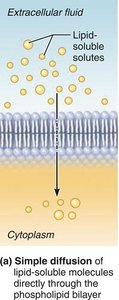
Simple diffusion: Movement of nonpolar, lipid-soluble substances directly through the bilayer.
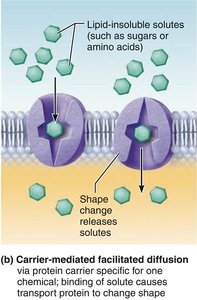
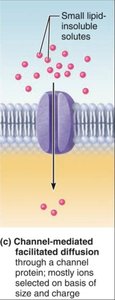
Facilitated diffusion: Movement of polar or charged substances via protein carriers or channels.
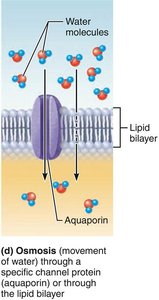
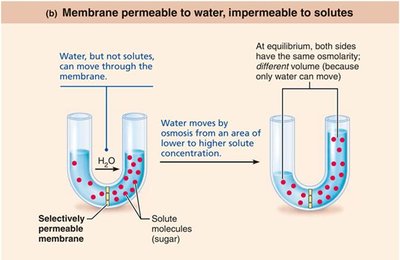
Osmosis: Diffusion of water through a selectively permeable membrane.
Osmolarity and Tonicity
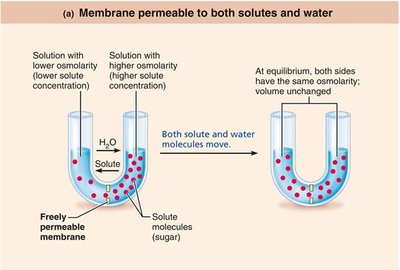
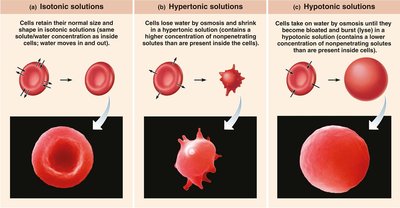
Osmolarity is the total solute concentration in a solution. Tonicity describes a solution's effect on cell volume:
Isotonic: No net water movement; cell volume remains constant.
Hypertonic: Water leaves the cell; cell shrinks (crenation).
Hypotonic: Water enters the cell; cell swells and may burst (lysis).
Active Transport
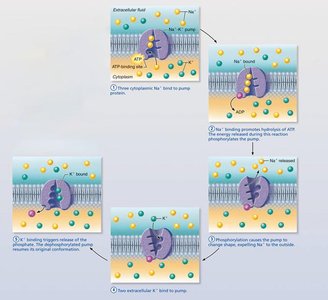
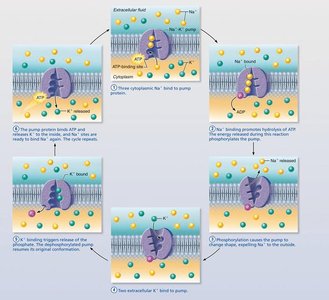
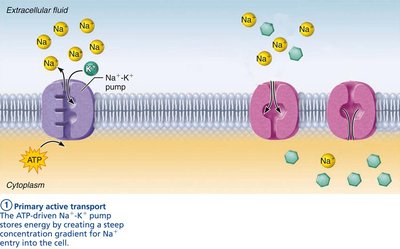
Active transport requires ATP to move substances against their concentration gradients. Two main types:
Primary active transport: Direct use of ATP, e.g., sodium-potassium pump (Na+/K+ ATPase).
Secondary active transport: Indirect use of ATP; uses gradients established by primary active transport to drive movement of other substances.
Summary Table: Types of Membrane Transport
Type | Energy Required? | Direction | Examples |
|---|---|---|---|
Simple Diffusion | No | Down gradient | O2, CO2 |
Facilitated Diffusion | No | Down gradient | Glucose, ions |
Osmosis | No | Down water gradient | Water |
Primary Active Transport | Yes (ATP) | Against gradient | Na+/K+ pump |
Secondary Active Transport | Indirect (ATP) | Against gradient | Glucose/Na+ cotransport |
Additional info: This summary covers the essential concepts of cell structure, plasma membrane composition, membrane transport mechanisms, and the physiological relevance of these processes for Anatomy & Physiology students.
