 Back
BackChapter 24: Nutrition, Metabolism, and Energy Balance – Study Notes
Study Guide - Smart Notes
 Tailored notes based on your materials, expanded with key definitions, examples, and context.
Nutrition and Metabolism
Introduction to Nutrition and Body Weight
Nutrition is the study of nutrients and how the body uses them for growth, repair, and maintenance. Body weight is regulated by a balance between energy intake and energy output, with a homeostatic set point influenced by both heredity (30-50%) and lifestyle factors such as diet and exercise.
Calories and Energy Content of Nutrients
Calories measure the energy content of food. One calorie is the amount of heat required to raise the temperature of 1 gram of water by 1°C. In nutrition, 1,000 calories is a kilocalorie (kcal) or Calorie (with a capital C). Fats provide about 9 kcal/g, while carbohydrates and proteins provide about 4 kcal/g.
Types of Nutrients
Nutrients are classified as macronutrients (needed in large amounts) and micronutrients (needed in small amounts):
Macronutrients: Carbohydrates, Fats, Proteins
Micronutrients: Minerals, Vitamins


Essential Nutrients and RDA
Essential nutrients cannot be synthesized by the body and must be obtained from the diet. These include minerals, vitamins, 8 essential amino acids, and 1-3 essential fatty acids. The Recommended Daily Allowance (RDA) provides safe estimates of daily intake for standard needs.
Carbohydrates
Structure and Function
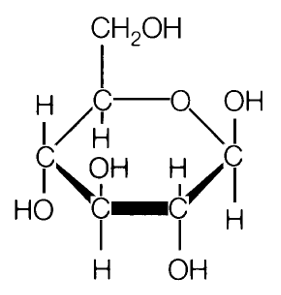
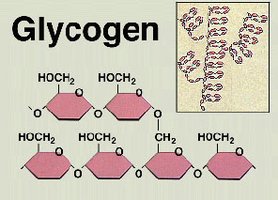
Carbohydrates, also known as saccharides, have the general formula (CH2O). In the body, carbohydrates are present as blood glucose and glycogen (a glucose polymer for energy storage). Blood glucose is tightly regulated by the hormones insulin and glucagon.
Dietary Sources and RDA
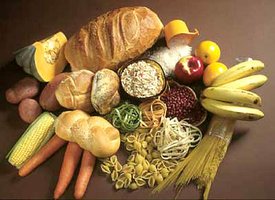
Nearly all dietary carbohydrates come from plants, including grains, legumes, fruits, and root vegetables. Common sugars include sucrose (table sugar), fructose (fruits, corn syrup), maltose (cereal), and lactose (milk). Intake should focus on complex carbohydrates rather than simple sugars.
Carbohydrate Metabolism
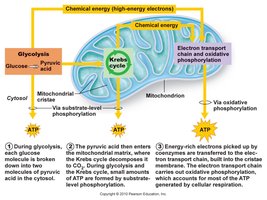
Dietary carbohydrates are rapidly metabolized for energy. The main reaction is cellular respiration:
This process transfers energy from glucose to ATP through three main steps: glycolysis, the Krebs cycle, and the electron transport chain.
Glycogenesis, Glycogenolysis, and Gluconeogenesis
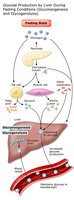
Excess glucose is stored as glycogen (glycogenesis), a process stimulated by insulin and epinephrine. When glucose is scarce, glycogen is broken down (glycogenolysis), stimulated by glucagon. If glycogen stores are depleted, glucose is synthesized from non-carbohydrate sources (gluconeogenesis).
Dietary Fiber
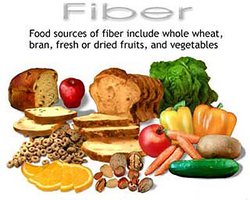
Dietary fiber consists of fibrous material that resists digestion. It is important for digestive health, softening stool, increasing bulk, and lowering blood cholesterol. Major sources include oats, beans, peas, carrots, brown rice, and fruits.
Lipids
Types and Functions of Lipids
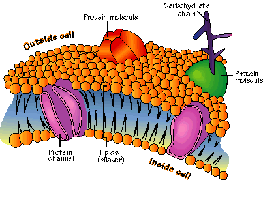
Lipids include fats, phospholipids, and steroids. They are the body's main energy storage form, are hydrophobic, and provide twice as much energy per gram as carbohydrates. Lipids are also important for absorbing fat-soluble vitamins (A, D, E, K) and sparing protein from being used as fuel.
Structural: Phospholipids and cholesterol are components of plasma membranes.
Chemical precursors: Cholesterol is a precursor for steroids, bile salts, and vitamin D; fatty acids are precursors for prostaglandins and eicosanoids.
Fat Requirements and Sources
Most fatty acids can be synthesized by the body, but essential fatty acids must be consumed. Saturated fats are mainly from animal sources, while unsaturated fats are found in nuts, seeds, and vegetable oils. Cholesterol is present in egg yolks, cream, shellfish, and organ meats. Fat should be less than 30% of daily calorie intake.

Lipid Metabolism: Lipolysis and Lipogenesis
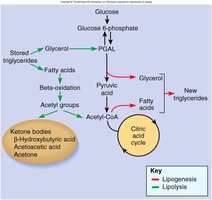
Triglycerides are stored in adipocytes. Lipolysis is the breakdown of fat for fuel, while lipogenesis is the synthesis of fat from other sources such as amino acids and sugars. These processes are interconnected with carbohydrate metabolism and the Krebs cycle.
Serum Lipoproteins
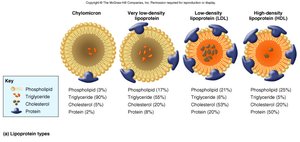
Lipids are transported in the blood as lipoproteins, which are categorized by density (more protein = higher density):
Chylomicrons: Form in the small intestine to transport dietary fats.
VLDL (Very Low-Density Lipoprotein): Produced by the liver to transport lipids to adipose tissue.
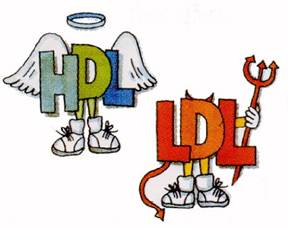
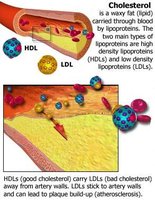
LDL (Low-Density Lipoprotein): Delivers cholesterol to cells for membrane repair or steroid synthesis.
HDL (High-Density Lipoprotein): Picks up cholesterol from tissues and returns it to the liver for elimination.
Lipoprotein Processing and Health
High HDL levels are desirable as they indicate cholesterol removal from arteries, while high LDL levels are associated with cholesterol deposition and atherosclerosis. Maintaining total cholesterol below 200 mg/dL is recommended. Regular exercise and avoiding saturated fats, smoking, and stress help maintain healthy cholesterol levels.
Proteins
Functions and Requirements
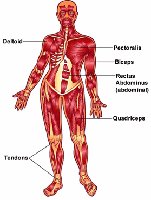
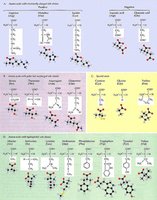
Proteins make up 12-15% of body mass, primarily in skeletal muscle. They are essential for muscle contraction, cell membranes, fibrous and globular proteins, and plasma proteins. The RDA for protein is 44-60 g/day, and nutritional value depends on the proportions of essential amino acids.
Dietary Sources and Protein Quality
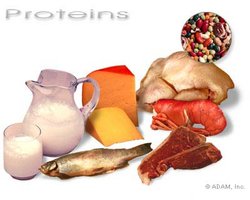
Animal proteins (meat, eggs, dairy) are complete proteins, supplying all essential amino acids. Plant proteins must be combined (e.g., beans and rice) to provide all essential amino acids.
Protein Metabolism
Amino acids are used to synthesize new proteins. For energy, amino acids must be deaminated (removal of NH2), producing ammonia, which the liver converts to urea for excretion.
Minerals and Vitamins
Functions of Minerals
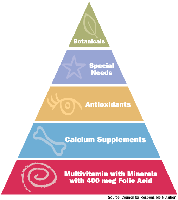
Minerals are essential for bone and tooth structure (calcium, phosphorus), enzyme cofactors (calcium, iron, magnesium, manganese), hemoglobin and myoglobin (iron), and as electrolytes for nerve and muscle function (chlorine, sodium).
Dietary Sources of Minerals
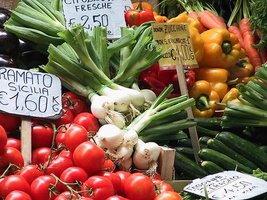
Minerals are found in vegetables, legumes, milk, eggs, fish, and animal tissues. Sodium intake should be limited to 1.1 g/day, but typical diets often exceed this amount.
Vitamins
Some vitamins can be synthesized from precursors (e.g., niacin, vitamins A and D). Water-soluble vitamins (C, B) are absorbed with water, while fat-soluble vitamins (A, D, E, K) are absorbed with dietary lipids.

Appetite Regulation and Obesity
Hormonal Regulation of Appetite
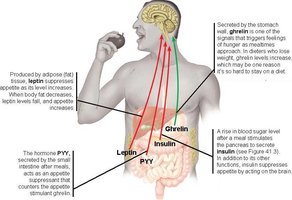
Appetite is regulated by several hormones:
Leptin: Secreted by adipocytes, decreases appetite.
Ghrelin: Secreted by the stomach, stimulates hunger.
Peptide YY (PYY): Secreted by the ileum, induces satiety.
Insulin: Secreted by pancreatic beta cells, has a weaker appetite-suppressing effect.
Obesity
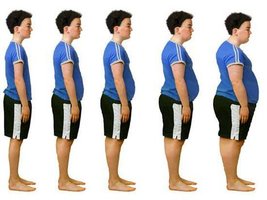
Obesity is defined as being 20% above the recommended norm for age, sex, and weight. Body Mass Index (BMI) is used to classify weight status:
BMI = 20-25: Optimal
BMI > 25: Overweight
BMI > 30: Obese
Obesity is influenced by heredity and environmental factors, and is associated with increased risk of diabetes, heart disease, and certain cancers.
Metabolic States and Energy Balance
Absorptive and Postabsorptive States
The absorptive state lasts about 4 hours during and after a meal, when nutrients are absorbed and used for energy. The postabsorptive state occurs between meals, when stored fuels are mobilized to maintain blood glucose, especially for the brain.
Absorptive state: Regulated by insulin, promotes glucose uptake, glycolysis, glycogenesis, lipogenesis, and protein synthesis.
Postabsorptive state: Regulated by glucagon, promotes glycogenolysis and gluconeogenesis.
Metabolic Rate
Metabolic rate is the amount of energy used by the body per unit time (kcal/hr or kcal/day). Basal metabolic rate (BMR) is measured under resting, fasting conditions. Factors affecting metabolic rate include size, gender, age, pregnancy, activity level, and thyroid hormones.
Summary Table: Macronutrient Comparison
Nutrient | Energy (kcal/g) | Main Functions | Dietary Sources |
|---|---|---|---|
Carbohydrates | 4 | Primary energy source | Grains, fruits, vegetables |
Proteins | 4 | Structure, enzymes, muscle | Meat, dairy, legumes |
Fats | 9 | Energy storage, membranes | Oils, butter, nuts, meats |
