 Back
BackIntroduction to Business Management: Core Concepts and Structures
Study Guide - Smart Notes
 Tailored notes based on your materials, expanded with key definitions, examples, and context.
Topic 1: Introduction to General Management
Overview of General Management
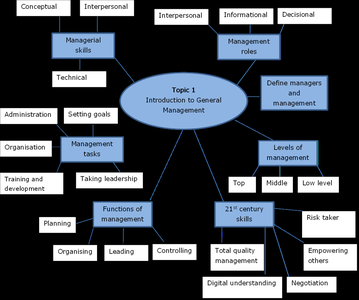
General management encompasses the foundational principles, skills, and roles required to effectively lead and operate an organization. It involves understanding the various levels of management, core managerial functions, and the evolving skills necessary for success in the twenty-first century.
Managerial Skills: Conceptual, interpersonal, and technical skills are essential for effective management. These skills enable managers to analyze complex situations, interact with people, and apply specialized knowledge.
Management Roles: Managers fulfill interpersonal, informational, and decisional roles, which include tasks such as leading teams, disseminating information, and making strategic decisions.
Management Tasks: Key tasks include administration, setting goals, taking leadership, organizing, and training and development.
Functions of Management: The four primary functions are planning, organizing, leading, and controlling.
21st Century Skills: Modern managers must focus on total quality management, risk-taking, empowering others, negotiation, and digital understanding.
Core Functions of Management
POLC Framework
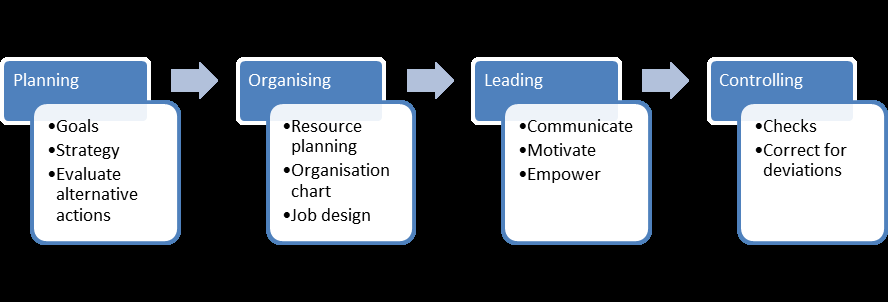
The management process is structured around four core functions, often referred to as the POLC framework:
Planning: Setting organizational goals, developing strategies, and evaluating alternative actions.
Organizing: Resource planning, creating organizational charts, and designing jobs to implement plans.
Leading: Communicating objectives, motivating employees, and empowering teams to achieve goals.
Controlling: Monitoring performance, checking progress, and correcting deviations from plans.
Topic 2: Planning
Definition and Importance of Planning
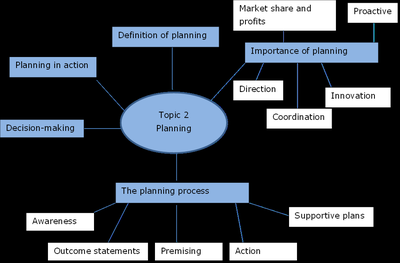
Planning is the process by which managers establish goals and specify how these goals are to be attained. It is foundational to all other managerial tasks and ensures direction, coordination, innovation, and proactive responses to change.
Key Aspects: Direction, coordination, innovation, proactivity, and increased market share and profitability.
Decision-Making: Integral to planning, involving the selection of the best course of action among alternatives.
The Planning Process
The planning process is a structured sequence of steps that guides managers in setting and achieving organizational goals:
Awareness: Understanding the current state and history of the organization.
Outcome Statements: Setting clear goals and objectives.
Premising: Making assumptions about future conditions.
Action: Determining specific actions to achieve goals.
Supportive Plans: Developing additional plans to support the main objectives.
Topic 3: Organising
Definition and Process of Organising
Organising involves arranging resources and tasks to achieve organizational objectives. It includes defining roles, grouping activities, and establishing authority relationships.
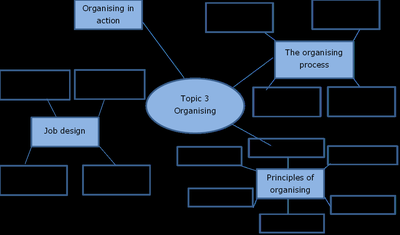
Organising in Action: Real-world examples illustrate how organizations structure their operations for efficiency.
The Organising Process: Identifying activities, departmentalization, assigning duties, and establishing reporting relationships.
Principles of Organising: Coordination, authority, power, delegation, specialization, and span of control.
Job Design: Structuring jobs to enhance motivation and performance.
Organisational Structures
Organizational structure defines how tasks are divided, grouped, and coordinated within an organization. Common structures include:
Functional Structure: Organizes employees based on specialized roles or functions (e.g., production, marketing, finance).
Divisional Structure: Organizes around products, services, or geographic locations, with each division having its own resources.
Virtual Structure: Relies on networks of external partners and contractors to perform key functions.
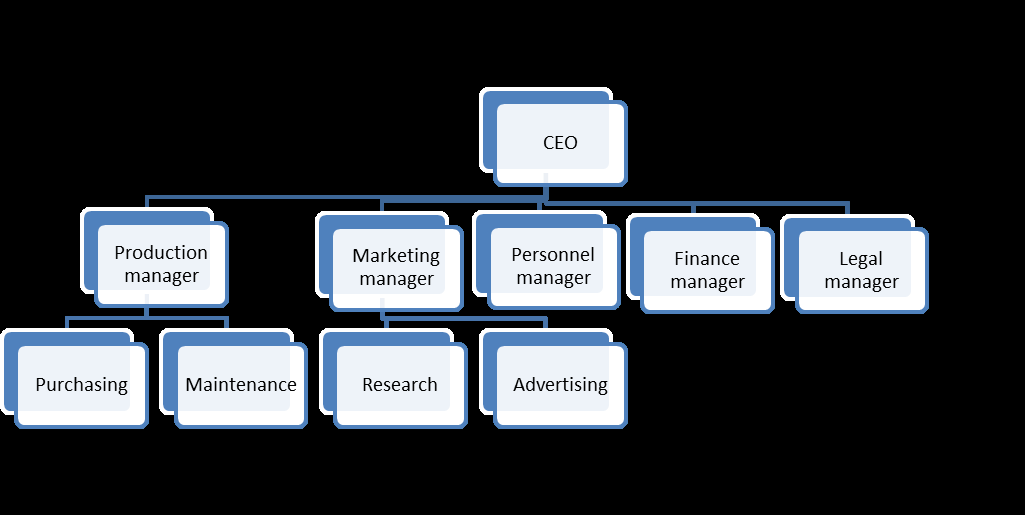
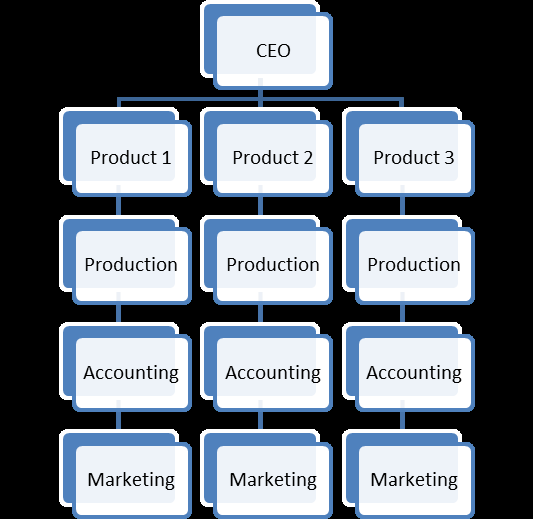
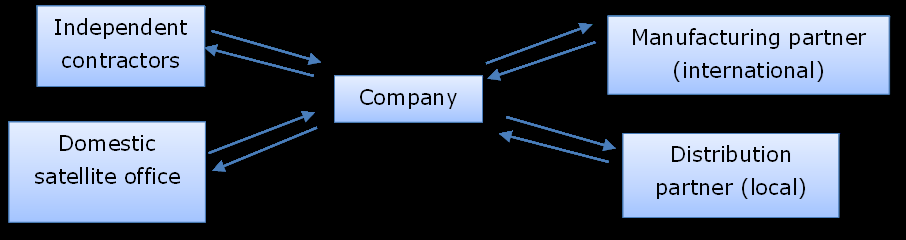
Summary Table: Key Management Structures
Structure Type | Main Features | Example |
|---|---|---|
Functional | Organized by specialized functions (e.g., marketing, finance) | Traditional manufacturing firm |
Divisional | Organized by product lines or regions | Multinational with separate product divisions |
Virtual | Network of external partners and contractors | Tech startup outsourcing development and support |
Conclusion
This guide provides a structured overview of the foundational concepts in business management, including the core functions of planning, organizing, leading, and controlling. It also introduces key organizational structures and the evolving skills required for effective management in the modern business environment.
