 Back
BackMechanisms of Disease: Pathogenic Organisms, Cancer, and Inflammation
Study Guide - Smart Notes
 Tailored notes based on your materials, expanded with key definitions, examples, and context.
Mechanisms of Disease
Introduction to Disease Terminology
The study of disease, or pathology, involves understanding the causes, development, and effects of diseases on the human body. Key terminology is essential for describing disease processes and their impact on health.
Health: A state of complete physical, mental, and social well-being, not merely the absence of disease.
Disease: An abnormality in body function that threatens health.
Etiology: The study of the factors that cause a disease.
Idiopathic: Refers to diseases with unknown causes.
Signs and Symptoms: Signs are objective abnormalities, while symptoms are subjective experiences reported by the patient.
Pathogenesis: The pattern of a disease’s development.
Patterns of Disease
Understanding how diseases spread and affect populations is crucial for public health and epidemiology.
Epidemiology: The study of the occurrence, distribution, and transmission of diseases in human populations.
Endemic: Diseases native to a local region.
Epidemic: Diseases that affect many people at the same time in a region.
Pandemic: Widespread, often global, epidemics.
Pathophysiology: Mechanisms of Disease
Pathophysiology examines the underlying physiological processes that lead to disease. Several mechanisms can disrupt normal function:
Genetic mechanisms: Mutations or inherited disorders.
Infectious mechanisms: Caused by pathogenic organisms and particles.
Neoplastic mechanisms: Tumors and cancers.
Traumatic mechanisms: Physical or chemical injury.
Metabolic mechanisms: Disorders in metabolism, including endocrine imbalances and malnutrition.
Inflammatory mechanisms: Autoimmunity, inflammation, and degeneration.
Risk factors for disease include genetics, age, lifestyle, stress, environment, and preexisting conditions.
Pathogenic Organisms
Viruses
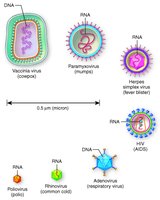
Viruses are microscopic, intracellular parasites consisting of a nucleic acid core (DNA or RNA) surrounded by a protein coat. They invade host cells, hijack cellular machinery, and reproduce, often causing cell damage or death. Viruses are classified by their shape, nucleic acid type, and method of reproduction.
Examples: Vaccinia virus (smallpox), Paramyxovirus (mumps), Herpes simplex virus (fever blisters), HIV (AIDS), Poliovirus (polio), Rhinovirus (common cold), Adenovirus (respiratory virus).
Prions
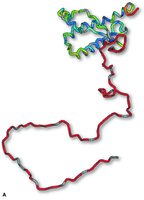
Prions are infectious protein molecules that can convert normal proteins into abnormal forms, leading to degenerative nervous system disorders. Prion diseases are rare but often fatal, such as bovine spongiform encephalopathy (BSE) and variant Creutzfeldt-Jakob disease (vCJD).
Bacteria
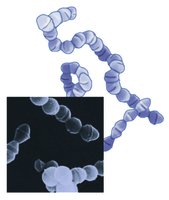
Bacteria are tiny, single-celled organisms without nuclei. They may secrete toxins, parasitize host cells, or form colonies. Bacteria are classified by:
Growth requirements: Aerobic (require oxygen) or anaerobic (do not require oxygen).
Staining properties: Gram-positive or Gram-negative (based on cell wall composition).
Shape and size: Bacilli (rod-shaped), cocci (round), curved/spiral rods, small bacteria (obligate parasites), and spores (resistant forms).
Fungi
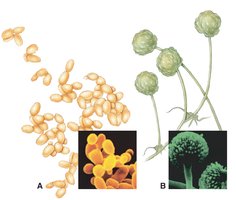
Fungi are simple organisms similar to plants but lack chlorophyll. They include:
Yeasts: Small, single-celled fungi.
Molds: Large, multicellular fungi.
Mycotic infections: Fungal infections that often resist treatment.
Protozoa
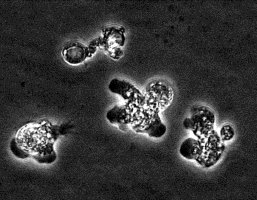
Protozoa are large, single-celled organisms with organized nuclei. They may infest human fluids and parasitize or destroy cells. Major groups include:
Amebas: Move using pseudopodia.
Flagellates: Move using flagella.
Ciliates: Move using cilia.
Sporozoa (coccidia): Have complex life cycles, often involving vectors.
Pathogenic Animals
Pathogenic animals are large, complex multicellular organisms that parasitize or damage human tissues. Major groups include:
Nematodes: Roundworms.
Platyhelminths: Flatworms and flukes.
Arthropods: Insects and arachnids, often vectors for disease (e.g., mites, ticks, lice, fleas, mosquitoes, spiders).
Understanding Pathogen Prevention and Control, Cancer, and Inflammation
Pathogen Transmission and Prevention
Pathogens can be spread through various mechanisms, and prevention strategies are essential for public health.
Person-to-person contact: Prevented by education and aseptic technique.
Environmental contact: Prevented by avoiding contact and practicing safe sanitation.
Opportunistic invasion: Prevented by maintaining skin/mucous membrane integrity and cleansing wounds.
Vector transmission: Prevented by reducing vector populations and contact.
Prevention and treatment strategies include vaccination (stimulates immunity), drug therapy (antibiotics, antivirals), and addressing antibiotic resistance.
Tumors and Cancer
Neoplasms, or tumors, are abnormal cell growths. Tumors are classified as:
Benign: Remain localized and do not spread.
Malignant: Spread to form secondary tumors (metastasis).
Types of tumors include:
Benign epithelial tumors: Papilloma, adenoma, nevus.
Benign connective tissue tumors: Lipoma, osteoma, chondroma.
Carcinomas (malignant epithelial): Melanoma, adenocarcinoma.
Sarcomas (connective tissue): Lymphoma, osteosarcoma, myeloma, fibrosarcoma.
Causes and Pathogenesis of Cancer
Cancer arises from a combination of factors, including:
Genetic factors: Oncogenes (cancer genes).
Carcinogens: Chemicals that alter genetic activity.
Age: Accumulated cell damage over time.
Environment: Chronic exposure to damaging substances.
Viruses: Can alter genetic machinery.
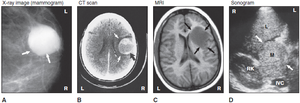
Cancer involves hyperplasia (excessive cell growth) and anaplasia (undifferentiated cells). Detection methods include self-examination, diagnostic imaging (X-ray, CT, MRI, ultrasonography), biopsy, and blood tests.
Staging, Grading, and Complications of Cancer
Staging: Classifies tumors by size and extent of spread.
Grading: Assesses the likely pattern of tumor development.
Cachexia: Syndrome of appetite loss, weight loss, and weakness.
Causes of death: Secondary infections, organ failure, hemorrhage, and other factors.
Treatment options include surgery, chemotherapy, radiation therapy, laser therapy, immunotherapy, and targeted drug strategies.
Inflammation
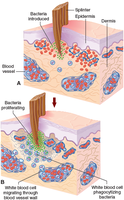
The inflammatory response is a protective mechanism that reduces tissue injury and maintains homeostasis. Key signs include redness, heat, swelling, and pain. Inflammation mediators (histamine, prostaglandins, kinins) cause blood vessel dilation and increased permeability, attracting white blood cells to the injury site (chemotaxis).
Local inflammation: Confined to a specific area.
Systemic inflammation: Bodywide response, may include fever.
Chronic inflammation: Can cause tissue damage and constitute disease itself.
Fever is a systemic response that helps destroy pathogens and enhance immunity.
