 Back
BackMetabolism, Nutrition, and Energetics: Study Notes for Anatomy & Physiology
Study Guide - Smart Notes
 Tailored notes based on your materials, expanded with key definitions, examples, and context.
Metabolism, Nutrition, and Energetics
Introduction to Metabolism
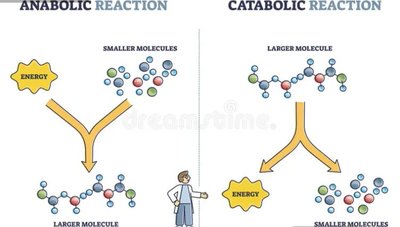
Metabolism encompasses all chemical and physical changes occurring in body tissues. It is divided into two main processes: catabolism (breaking down molecules to release energy) and anabolism (building larger molecules from smaller ones using energy). These processes are essential for maintaining life, supporting growth, and responding to environmental changes.
Catabolism: Converts large molecules into smaller ones, releasing energy (mainly as ATP).
Anabolism: Synthesizes new organic compounds, requiring energy input.
Energetics: The study of energy flow and transformation in biological systems, primarily through oxidation-reduction reactions in mitochondria.
ATP: The Energy Currency of the Cell
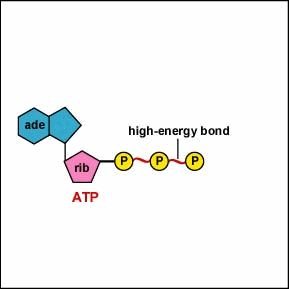
Adenosine triphosphate (ATP) is the primary energy carrier in cells. Energy is stored in the high-energy phosphate bonds and released when ATP is hydrolyzed to ADP and inorganic phosphate.
ATP Hydrolysis: (~7.3 kcal/mol released)
ATP is recycled rapidly, with each molecule used thousands of times per day.
Carbohydrate Metabolism
Overview of Carbohydrates
Carbohydrates are organic compounds, including sugars and starches, that provide energy for cellular processes. Excess intake can lead to obesity, while deficiencies may cause metabolic acidosis and weight loss.
Minimum dietary requirement: 125–175 grams/day; average intake: 200–300 grams/day.
Cellular Respiration
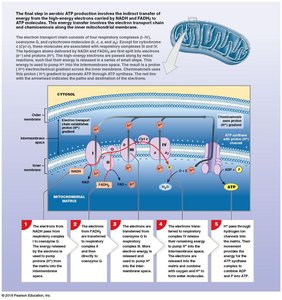
Cellular respiration is the process by which glucose is oxidized to produce ATP, carbon dioxide, and water. It involves three main stages: glycolysis, the citric acid cycle, and the electron transport chain.
Overall equation:
One glucose molecule yields about 30–32 ATP molecules.
Glycogenesis and Gluconeogenesis
Glycogenesis is the formation of glycogen from excess glucose, primarily in the liver and skeletal muscle. Gluconeogenesis is the synthesis of glucose from non-carbohydrate sources when dietary glucose is unavailable.
Lipid Metabolism
Lipid Catabolism (Lipolysis)
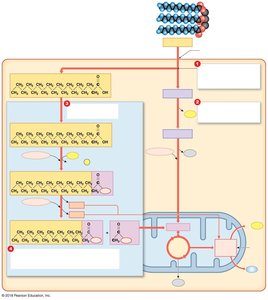
Lipids are broken down into glycerol and fatty acids. Fatty acids undergo beta-oxidation to produce acetyl-CoA, which enters the citric acid cycle. Lipids provide more energy per gram than carbohydrates but are metabolized more slowly.
One 18-carbon fatty acid yields up to 120 ATP molecules.
Lipid Transport and Storage
Lipids are transported in the blood as lipoproteins (chylomicrons, VLDL, LDL, HDL). Lipids are stored as triglycerides in adipose tissue and serve as long-term energy reserves.
Protein Metabolism
Protein Catabolism
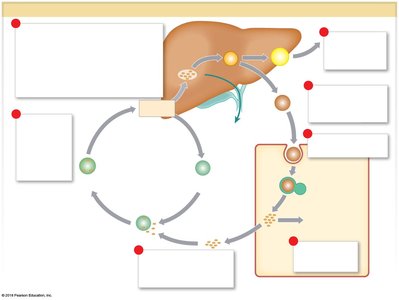
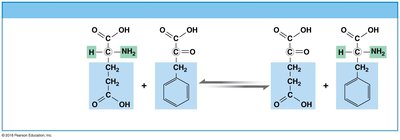
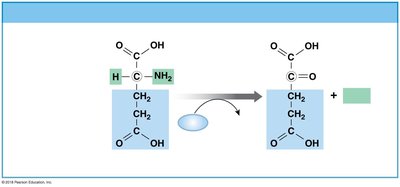
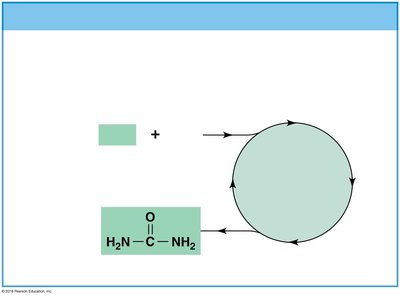
Proteins are primarily used for structural and functional roles, not as an energy source. When necessary, amino acids are catabolized via transamination and deamination, producing urea as a waste product.
Transamination: Transfer of an amino group to a keto acid.
Deamination: Removal of an amino group, releasing ammonia, which is converted to urea in the liver.
Protein Synthesis and Requirements
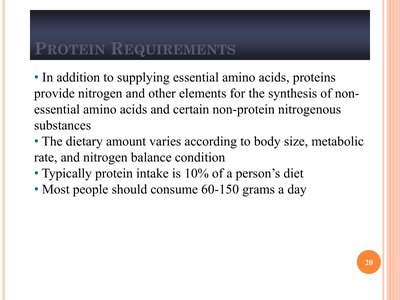
The body synthesizes non-essential amino acids via amination. Dietary protein is required for essential amino acids and nitrogen balance. Most adults need 60–150 grams of protein daily, making up about 10% of the diet.
Absorptive and Postabsorptive States
Metabolic Tissues and States
Different tissues (liver, adipose, muscle, nervous, and peripheral tissues) have specialized metabolic roles. The absorptive state occurs after eating, when nutrients are absorbed and stored. The postabsorptive state occurs between meals, when the body relies on stored energy reserves.
Liver: Central role in metabolism, stores glycogen, regulates blood nutrients.
Adipose tissue: Stores triglycerides.
Skeletal muscle: Stores glycogen, can use amino acids for energy if needed.
Nervous tissue: Requires a constant supply of glucose.
Ketone Bodies and Ketoacidosis
During prolonged fasting or diabetes, fatty acid metabolism produces ketone bodies. Excessive ketone bodies can lead to ketoacidosis, a dangerous drop in blood pH.
Nutrition and Dietary Balance
Balanced Diet and Malnutrition
A balanced diet provides all essential nutrients, including carbohydrates, proteins, fats, vitamins, and minerals. Malnutrition results from nutrient imbalance and can lead to serious health consequences.
Nitrogen Balance
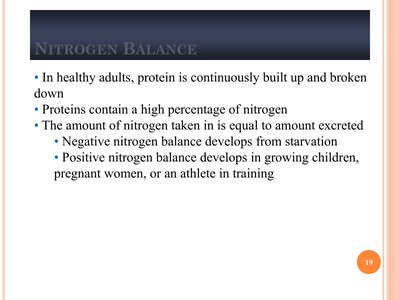
Nitrogen balance reflects the difference between nitrogen intake and loss. Positive balance occurs during growth, pregnancy, or training; negative balance occurs during starvation.
Protein Requirements
Protein needs depend on body size, metabolic rate, and nitrogen balance. Most adults require 60–150 grams per day.
Energy Balance and Body Weight
Energy Balance
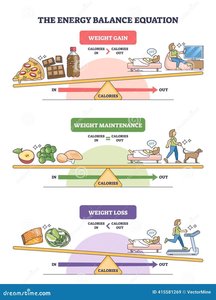
Energy balance occurs when caloric intake equals caloric output. Excess intake leads to weight gain (positive energy balance), while a deficit leads to weight loss.
Desirable Weight and BMI
Body Mass Index (BMI) is used to assess weight status. Overweight is defined as 10–20% above desirable weight or BMI 25–30; obesity is >20% above or BMI >30.
Vitamins and Minerals
Vitamins
Vitamins are organic compounds essential for metabolism. They are classified as fat-soluble (A, D, E, K) or water-soluble (B vitamins, C). Excessive intake of fat-soluble vitamins can be harmful.
Minerals and Trace Elements
Minerals are inorganic elements required for metabolism, making up about 4% of body weight. Trace elements are needed in minute amounts (e.g., iron, zinc, copper, selenium).
Starvation and Nutritional Disorders
Starvation
Humans can survive 50–70 days without food. Starvation leads to symptoms such as low blood pressure, chills, and poor immunity. Common disorders include marasmus, kwashiorkor, anorexia nervosa, and bulimia.
Metabolic Rate and Thermoregulation
Basal Metabolic Rate (BMR)
BMR is the rate of energy expenditure at rest. It is influenced by age, sex, hormones, and activity. Energy is measured in calories (cal) or kilocalories (kcal).
Carbohydrates: 4.1 kcal/g
Lipids: 9.5 kcal/g
Proteins: 4.1 kcal/g
Thermoregulation
Thermoregulation maintains body temperature within a narrow range. Heat is exchanged with the environment via radiation, convection, evaporation, and conduction. The body conserves or generates heat through physiological mechanisms such as shivering and hormonal regulation.
Energy Expenditure and Activity
Calories burned vary with activity level. For example, walking up stairs uses more energy than sitting at rest.
Activity | Calories per Hour |
|---|---|
Walking up stairs | 1,100 |
Running (jogging) | 570 |
Swimming | 500 |
Vigorous exercise | 450 |
Slow walking | 200 |
Dressing and undressing | 118 |
Sitting at rest | 100 |
Lifespan Changes
Energy Requirements with Age
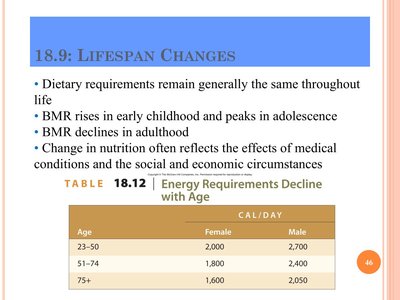
Dietary requirements remain similar throughout life, but BMR peaks in adolescence and declines with age. Caloric needs decrease in older adults.
Age | Female (Cal/day) | Male (Cal/day) |
|---|---|---|
23–50 | 2,000 | 2,700 |
51–74 | 1,800 | 2,400 |
75+ | 1,600 | 2,050 |
Summary Table: Substances That Control Appetite
Substance | Site of Secretion | Function |
|---|---|---|
Insulin | Pancreas | Stimulates adipocytes to admit glucose and store fat; glycogen synthesis |
Leptin | Adipocytes | Suppresses appetite and increases metabolic rate after eating |
Neuropeptide Y | Hypothalamus | Enhances appetite |
Ghrelin | Stomach | Enhances appetite |
Additional info: These notes integrate and expand upon the provided slides and textbook images, ensuring a comprehensive, exam-ready summary of metabolism, nutrition, and energetics for Anatomy & Physiology students.
