 Back
BackNutrients Important for Metabolism and Blood Function: Study Notes for Anatomy & Physiology
Study Guide - Smart Notes
 Tailored notes based on your materials, expanded with key definitions, examples, and context.
Blood: Composition and Function
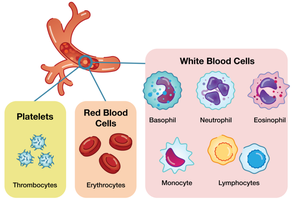
Components of Blood
Blood is a specialized fluid connective tissue essential for transporting nutrients, gases, and waste products throughout the body. It consists of plasma and cellular elements, each with distinct roles in maintaining homeostasis and supporting metabolism.
Plasma: The liquid portion of blood, primarily water, containing proteins, ions, glucose, lipids, vitamins, minerals, waste products, gases, enzymes, and hormones. Plasma maintains fluid balance, pH, and temperature regulation.
Red Blood Cells (Erythrocytes): Most numerous cells in blood; transport oxygen from the lungs to tissues and facilitate carbon dioxide removal.
White Blood Cells (Leukocytes): Immune cells that defend the body against pathogens and foreign substances.
Platelets (Thrombocytes): Cell fragments that initiate clotting to prevent blood loss after vessel injury.
Blood as a Transport Medium
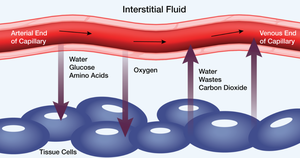
Blood serves as the main conduit for transporting absorbed nutrients, oxygen, and waste products. It ensures that all cells receive the substances necessary for metabolism and removes metabolic byproducts for excretion.
Delivers oxygen to tissues and removes carbon dioxide via the lungs.
Transports nutrients from the digestive tract to cells.
Facilitates exchange of substances at the capillary level.
Blood Tests and Health
Blood tests measure biomarkers—molecules or traits associated with health or disease. These tests help diagnose conditions, monitor organ function, and assess overall health. Factors such as diet, physical activity, and medication can influence test results.

Metabolism: Overview and Pathways
Definition and Types of Metabolism
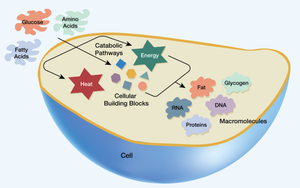
Metabolism is the sum of all chemical reactions in the body that support cellular function and life. It is divided into two main categories:
Catabolism: Breakdown of molecules to release energy.
Anabolism: Synthesis of larger molecules from smaller ones, requiring energy input.
Energy metabolism refers to the pathways that release or store energy for cellular processes.
Catabolic Pathways
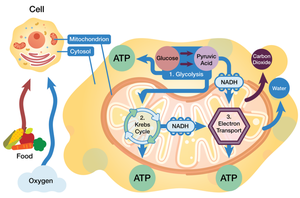
Catabolism involves three main stages for nutrient breakdown:
Glycolysis (for glucose), β-oxidation (for fatty acids), or amino acid catabolism.
Citric Acid Cycle (Krebs Cycle): Central metabolic pathway for energy production.
Electron Transport Chain and ATP Synthesis: Final stage where most cellular ATP is generated.
Anabolic Pathways
Anabolism is essential for building new tissues, repairing cells, and storing energy. Key anabolic processes include:
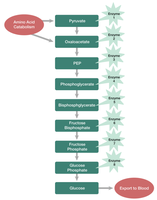
Gluconeogenesis: Synthesis of glucose from non-carbohydrate sources, mainly in the liver.
Lipogenesis: Formation of triglycerides (fat) for energy storage.
Building macromolecules such as proteins, DNA, and RNA.
Vitamins in Metabolism and Blood Function
Role of B Vitamins
B vitamins act as coenzymes in metabolic pathways, supporting both energy release and the synthesis of macromolecules. Deficiencies can lead to significant health issues, especially affecting the nervous system and blood formation.
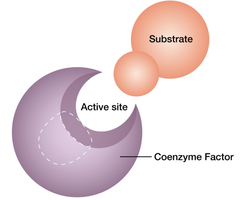
Thiamine (B1): Coenzyme for glucose breakdown; required for RNA, DNA, and ATP synthesis. Deficiency causes beriberi and Wernicke-Korsakoff syndrome.
Riboflavin (B2): Component of flavoproteins in the electron transport chain. Deficiency (ariboflavinosis) leads to skin and mucous membrane disorders.
Niacin (B3): Part of NADH and NADPH, essential for metabolism of macronutrients. Deficiency causes pellagra (diarrhea, dermatitis, dementia, death).
Pantothenic Acid (B5): Required for coenzyme A synthesis, involved in lipid and neurotransmitter synthesis.
Pyridoxine (B6): Involved in amino acid metabolism, neurotransmitter, and hemoglobin synthesis.
Biotin (B7): Coenzyme in the citric acid cycle and lipid metabolism; required for glucose and amino acid synthesis.
Folate (B9): Needed for methionine, RNA, and DNA synthesis; deficiency causes macrocytic anemia and neural tube defects.
Cobalamin (B12): Required for fat and protein catabolism, DNA synthesis, and hemoglobin production; deficiency leads to macrocytic and pernicious anemia.
Vitamin K
Vitamin K is essential for blood clotting and optimal bone metabolism. Deficiency can result in bleeding disorders and increased risk of hemorrhage.
Minerals in Metabolism and Blood Function
Key Minerals and Their Functions
Magnesium: Cofactor in ATP synthesis and hundreds of metabolic reactions.
Iron: Central component of hemoglobin for oxygen transport; deficiency is the most common micronutrient deficiency worldwide.
Zinc: Required for RNA, DNA, and protein synthesis; deficiency impairs growth and immune function.
Iodine: Essential for thyroid hormone synthesis; deficiency causes goiter and developmental disorders.
Selenium: Cofactor for enzymes activating thyroid hormone.
Copper: Assists in electron transport and iron metabolism; acts as an antioxidant.
Manganese: Cofactor for enzymes in glucose production and amino acid catabolism.
Chromium: Enhances insulin action.
Iron Deficiency Anemia
Causes, Symptoms, and Treatment
Iron deficiency anemia results from insufficient iron, leading to reduced hemoglobin and fewer, smaller red blood cells. It is diagnosed by blood tests and presents with fatigue, weakness, pale skin, and other symptoms.
Treatment: Iron supplements, increased dietary iron, vitamin C to enhance absorption, and avoidance of inhibitors like phytates.
At-risk populations: Infants, children, adolescents, and women.
Prevention: Supplementation, food fortification, infection control, and education.
Excess iron can accumulate in tissues, causing toxicity and organ damage.
