Back
BackOverview of Human Organ Systems
Study Guide - Smart Notes
 Tailored notes based on your materials, expanded with key definitions, examples, and context.
Organ Systems
Definitions and Concepts
An organ is a structure composed of two or more types of tissues that work together to perform specific, complex functions. An organ system is a group of organs that collaborate to carry out major body functions more efficiently than any single organ could alone.
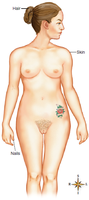
Integumentary System
Structure
Skin: The largest organ, serving as the body's outer covering.
Appendages: Hair, nails, microscopic sense receptors, sweat glands, and oil glands.
Functions
Protection: Acts as a barrier against mechanical injury, pathogens, and water loss.
Regulation of body temperature: Through sweat production and blood flow regulation.
Synthesis of chemicals: Such as vitamin D.
Sense organ: Contains receptors for touch, temperature, and pain.
Skeletal System
Structure
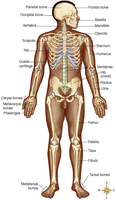
Bones: 206 named bones form the human skeleton.
Cartilage: Cushions and connects bones at joints.
Ligaments: Bands of fibrous tissue connecting bones.
Joints: Sites where bones meet, allowing movement.
Functions
Support: Provides a framework for the body.
Protection: Shields the brain and internal organs.
Movement: Facilitates movement with muscles and joints.
Mineral storage: Stores calcium and phosphorus.
Blood cell formation: Occurs in bone marrow (hematopoiesis).
Muscular System
Structure
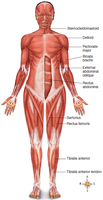
Skeletal muscle: Voluntary, striated muscle attached to bones.
Smooth muscle: Involuntary muscle in organ walls.
Cardiac muscle: Specialized muscle in the heart wall.
Functions
Movement: Enables body movement and facial expressions.
Posture: Maintains body position.
Heat production: Generates heat during contraction.
Nervous System
Structure
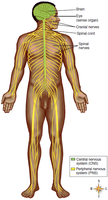
Central Nervous System (CNS): Brain and spinal cord.
Peripheral Nervous System (PNS): Cranial and spinal nerves, sense organs.
Functions
Communication: Transmits signals between body parts.
Integration: Processes sensory input and coordinates responses.
Control: Regulates body functions and activities.
Recognition of stimuli: Detects changes in the environment.
Endocrine System
Structure
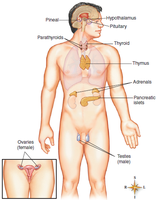
Pituitary gland
Pineal gland
Hypothalamus
Thyroid gland
Parathyroid glands
Thymus gland
Adrenal glands
Pancreas
Ovaries (female)
Testes (male)
Functions
Communication, integration, and control: Similar to the nervous system but slower and longer-lasting.
Hormone production: Regulates metabolism, growth, and reproduction.
Cardiovascular System
Structure
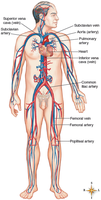
Heart: Muscular pump that circulates blood.
Blood vessels: Arteries, veins, and capillaries.
Functions
Transportation: Delivers oxygen, nutrients, and hormones; removes wastes.
Regulation: Maintains body temperature and pH balance.
Immunity: Transports immune cells and antibodies.
Lymphatic and Immune Systems
Lymphatic System Structure
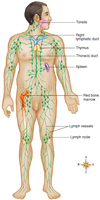
Lymphatic vessels
Lymph nodes and tonsils
Thymus
Spleen
Lymphatic System Functions
Transports lymph (fluid containing white blood cells)
Immunity: Filters pathogens and debris
Immune System Structure
Phagocytes (protective cells)
Secretory cells (produce defensive proteins)
Antibodies and complement proteins
Immune System Functions
Phagocytosis of bacteria
Chemical defense against harmful agents
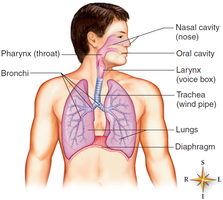
Respiratory System
Structure
Nose
Pharynx
Larynx
Trachea
Bronchi
Lungs
Functions
Gas exchange: Oxygen in, carbon dioxide out
Filtration of irritants from air
Regulation of acid-base balance
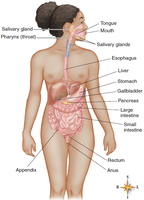
Digestive System
Structure
Primary organs (GI tract): Mouth, pharynx, esophagus, stomach, small intestine, large intestine, rectum, anal canal
Accessory organs: Teeth, salivary glands, tongue, liver, gallbladder, pancreas, appendix
Functions
Mechanical and chemical digestion of food
Absorption of nutrients
Elimination of undigested waste (feces)
Appendix: Holds bacteria that assist digestion
Urinary System
Structure
Kidneys
Ureters
Urinary bladder
Urethra (also part of male reproductive system)
Functions
Removes waste products from blood (urine formation)
Regulates electrolyte, water, and acid-base balance
Reproductive System
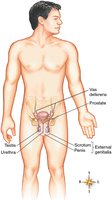
Male Structure
Gonads: Testes
Vas deferens
Urethra
Prostate
External genitalia: Penis and scrotum
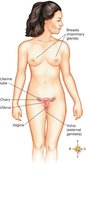
Female Structure
Gonads: Ovaries
Uterus
Uterine (fallopian) tubes
Vagina
External genitalia: Vulva
Mammary glands (breasts)
Functions
Survival of genes
Production of sex cells (sperm and ova)
Transfer and fertilization of sex cells
Development, birth, and nourishment of offspring
Production of sex hormones
Body as a Whole
Integration of Organ Systems
There are 11 major body systems: Integumentary, skeletal, muscular, nervous, endocrine, cardiovascular, lymphatic/immune, respiratory, digestive, urinary, and reproductive.
No system functions independently; all are interrelated and interdependent.
Homeostasis is maintained by the coordinated function of all systems.
Organ Replacement
Concepts
Loss of function in nonvital organs is not immediately life-threatening; vital organ failure is.
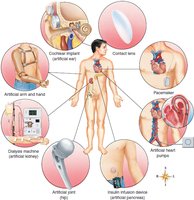
Organ replacement can involve prostheses (artificial devices) or transplantation (surgical replacement of organs).
Modern approaches include free-flap surgeries and stem cell treatments.
Examples of Prostheses
Cochlear implants, artificial limbs, contact lenses, pacemakers, dialysis machines, artificial joints, insulin infusion devices, artificial heart pumps.